You might be wondering, do I really need to shovel the snow right now? The truth is, shoveling snow ranks pretty low on most people’s list of favorite activities.
But here’s the thing: this seemingly simple question about whether to grab your shovel or stay comfortable inside has some serious implications. We’re talking about legal requirements, safety concerns, property maintenance, and even your relationship with the people next door. So let’s walk through this together and find out whether it’s worth shoveling the snow this winter season or not.
What The Law Says About Clearing Snow

Local governments have established regulations that require residents to clear their sidewalks within a certain period after it snows, generally between 12 and 24 hours. This isn’t a friendly suggestion you can ignore. These are actual regulations, and if you don’t follow them, you could end up paying fines ranging from $100 to several hundred dollars.
However, these rules vary quite a bit depending on where you live. Toronto gives you 12 hours to clear your sidewalk after a snowfall ends, while Calgary allows 24 hours. Some places even require you to tackle ice buildup and put down sand or salt.
Before you decide to skip the shoveling, we recommend that you check what your local regulations actually say.
The Safety Risks You Need To Know About
Canadian winters love to play tricks with temperature: warming up during the day and dropping again at night. This cycle melts the top layer of snow and then refreezes it, creating slippery surfaces that turn your walkways into accidental ice rinks. This creates a real danger for anyone who needs to reach your property.
When someone slips and gets hurt on your uncleaned property, you could find yourself responsible for their injuries. Canadian courts have repeatedly confirmed that property owners must maintain safe access during the winter months.
Clearing your snow means you’re helping create a safer environment for everyone around you. Taking care of your snow removal responsibilities shows that you care about the wellbeing of the people who share your neighborhood.
How Snow Affects Your Home And Property
Snow is frozen water, and when it piles up against your foundation, you’re inviting moisture problems that can last until after spring arrives. As temperatures fluctuate, that snow melts and finds its way into cracks and crevices. These issues involve costly repairs that can cost thousands of dollars to fix.
Water from melting snow seeps into small cracks, freezes overnight, expands, and creates larger cracks in your property’s driveway. This destructive cycle repeats throughout winter, constantly deteriorating your surfaces. Regular snow removal, along with good drainage, helps minimize this damage and keeps your pavement in better shape for years.
Your lawn and landscaping are also affected. Excessive snow accumulation, especially when it gets compacted or turns icy, can suffocate your lawn and damage your plants. When you remove snow strategically, moving it away from delicate plants and distributing it more evenly across your yard, you’re protecting your landscaping.
The Benefits Of Staying On Top Of Snow Removal

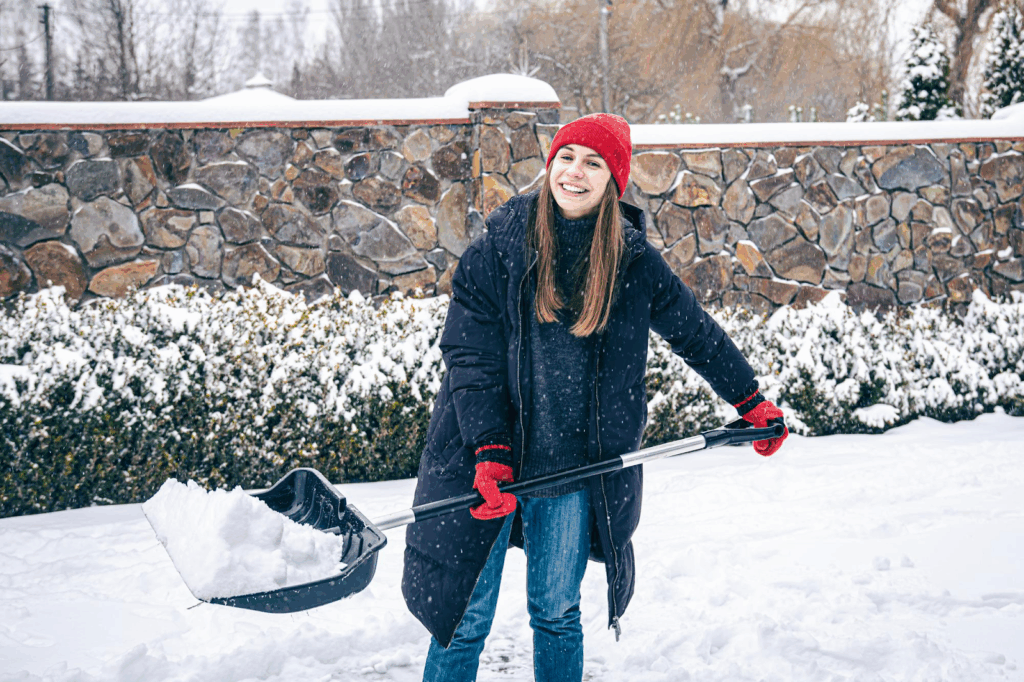
Shoveling snow can actually benefit your health when you do it correctly. It provides a cardiovascular workout that burns substantial calories, depending on how heavy the snow is and how vigorously you work.
When you clear snow after a few inches of accumulation instead of waiting until the storm passes, you’re dealing with lighter, fluffier snow that moves easily. We’re talking about the difference between a quick 20-minute task and an exhausting hour-long battle that leaves you sore for days. Staying current with snow removal also means you always have access to your property.
When you’re outside shoveling, you naturally interact with neighbors, check on elderly residents who might need assistance, and contribute to that sense of responsibility. The snow-clearing routine provides structure to winter days and creates opportunities for social connection.
Finding The Right Approach For Your Situation
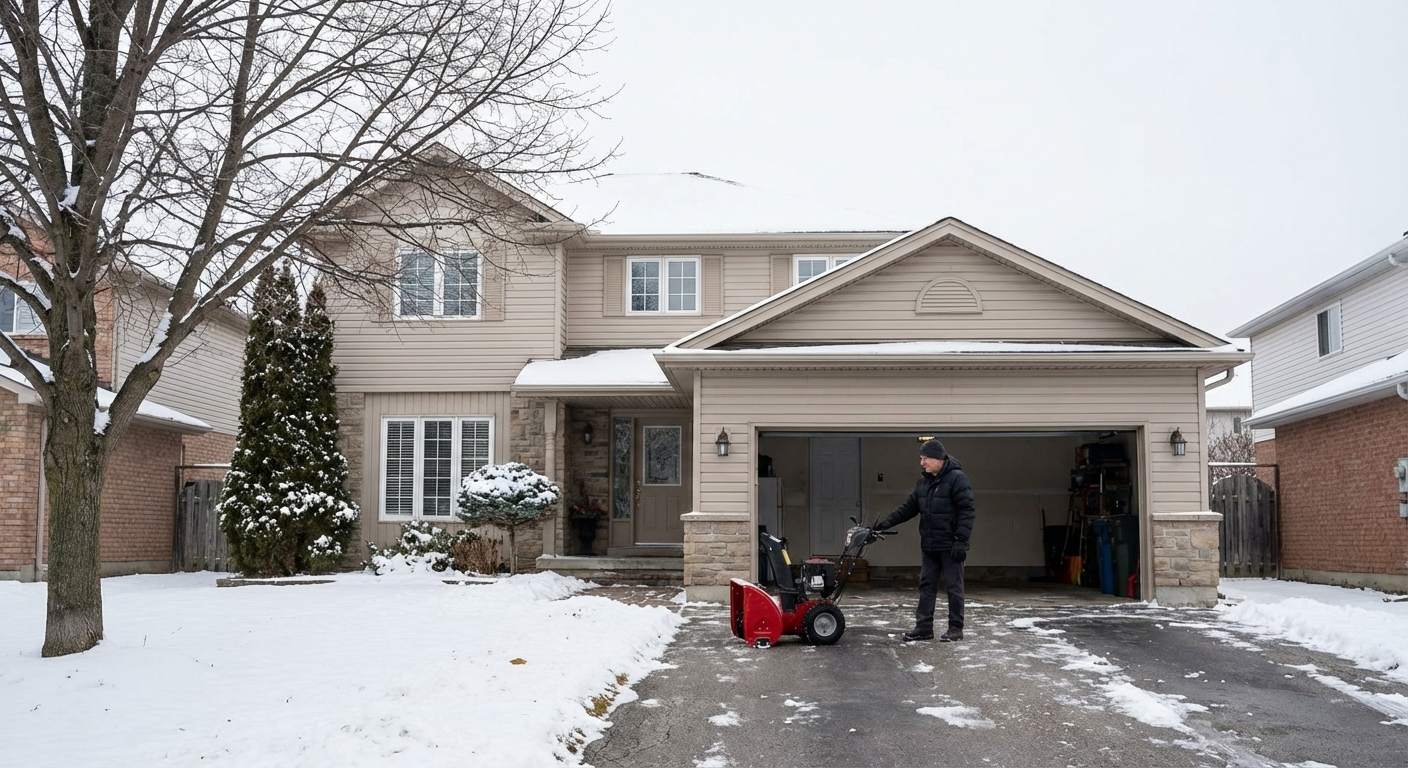
Snow blowers have become more affordable and efficient over the years, transforming a laborious task into a relatively quick one. For people with larger properties or mobility challenges, investing in a quality snow blower can genuinely change your winter experience.
You can also explore heated driveway systems and snow-melting mats that use radiant heat to prevent accumulation, though these options come with higher upfront costs and increased energy bills.
Many companies offer seasonal contracts where they’ll clear your property after each snowfall, keeping you in compliance with regulations without any physical effort on your part. Some neighborhoods even organize group snow removal services to negotiate better rates for everyone involved.
You might prefer a middle-ground strategy that focuses on smart snow management instead of complete removal. Concentrate on clearing high-traffic areas like walkways, steps, and the path from your driveway to your front door, while allowing snow to accumulate in spots where it won’t cause problems. You can use ice-melting products strategically to prevent dangerous ice formation without shoveling every single snowflake.
Why Clearing Snow Is The Right Choice

Between legal requirements, safety concerns, property protection, and community responsibility, the case for dealing with snow is solid. Leaving snow uncleaned really isn’t a practical option for most Canadian homeowners: it’s a risk that could result in fines, injuries, property damage, and tension with neighbors.
You should accept responsibility for snow removal in whatever form works for you: traditional shoveling, using a snow blower, hiring professionals, or combining various approaches. What matters is keeping your property safe, accessible, and in compliance with local regulations while protecting your wellbeing during winter.
Accepting it as routine maintenance instead of an optional chore allows you to plan ahead, invest in appropriate tools or services, and even find ways to make the experience more pleasant. Canadian winters last long enough without adding the stress and consequences of neglected snow removal.