
Misunderstandings here don’t just cause neighborhood disputes; they can lead to heavy municipal fines and costly slip-and-fall liability lawsuits.
To protect both property owners and residents, here is the straightforward legal breakdown of snow removal laws in Ontario.
The Legal Verdict: Landlords Are Responsible
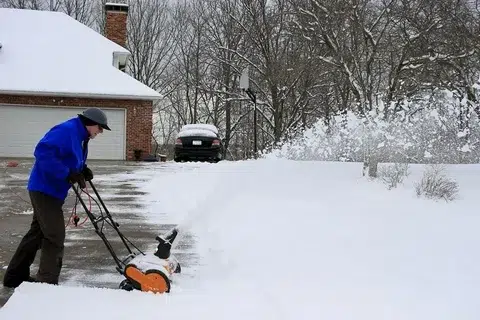
Under the Ontario Residential Tenancies Act (RTA), landlords are legally responsible for snow removal and ice management on the rental property. Section 20 of the RTA dictates that a landlord must maintain a rental property in a good state of repair and fit for habitation. Ontario Regulation 517 further clarifies that this explicitly includes keeping driveways, walkways, and common areas free of snow and ice accumulation.
Can a Landlord Pass the Duty to the Tenant via a Lease?
The Short Answer: No. Many landlords insert a clause into standard lease agreements stating that the tenant must shovel the snow. In Ontario, these lease clauses are void and unenforceable. Even if a tenant signs a lease agreeing to clear the snow, the legal responsibility stays entirely with the landlord. If a tenant slips and gets injured, or if the city issues a fine for an uncleared sidewalk, the landlord is held legally and financially liable.
The Only Exception: A Separate Service Contract
The only legal way a tenant can take over snow removal is if they sign a separate, severable contract (distinct from the lease agreement) where the landlord compensates them (via direct payment or a rent reduction) to act as a contractor. If this contract is broken, the core tenancy remains unaffected, and the legal responsibility defaults right back to the landlord.
Municipal Bylaws & Strict Timelines
While provincial law holds the landlord responsible for the rental property, local municipal bylaws dictate how quickly public sidewalks adjacent to the property must be cleared.
Failing to meet these deadlines will result in local city bylaws departments clearing the path and tacking a hefty fine onto your property tax bill.
| Municipality | Snow Removal Deadline | Key Local Rules |
| City of Toronto | Within 12 hours of a snowfall. | Landlords must clear adjacent public sidewalks, walkways, and shared steps. |
| Mississauga | Within 24 hours after a snowfall ends. | Required for all public sidewalks surrounding the property limits. |
| Brampton | Within 24 hours after a snowfall ends. | Sidewalks must be cleared completely down to bare pavement or treated with salt/sand. |
The True Cost of Neglecting Snow Removal
Leaving snow and ice to pile up creates massive financial and safety liabilities for property owners:
Slip-and-Fall Claims: If a tenant, visitor, delivery worker, or postal carrier slips on your property due to ice accumulation, you could face massive personal injury lawsuits.
Municipal Bylaw Fines: Cities across the GTA regularly fine property owners hundreds of dollars per day for blocking public pedestrian paths.
Property Damage: Heavy snow blocking structural exits or pooling water during winter thaws can lead to foundation leakage and ice damming on walkways.
💡 Don’t Risk Liability This Winter. Keeping up with erratic winter weather and middle-of-the-night snowstorms is physically exhausting and demanding. Let the local experts handle it cleanly and legally. Explore Custodia’s Pricing to set up a dependable, stress-free seasonal maintenance plan.
Frequently Asked Questions
1. Are landlords responsible for snow removal in common areas?
Yes. Landlords are completely responsible for clearing shared entrance ways, outdoor walkways, parking lots, and common paths to ensure safety and accessible properties for all tenants and visitors.
2. What happens if a tenant refuses to clear snow despite a lease agreement clause?
Because snow removal clauses written into residential lease agreements are void under Ontario law, a landlord cannot penalize a tenant for refusing to clear snow. The landlord must step in to manage it or hire a service.
3. Does a landlord have to provide a snow shovel or salt?
If a valid, separate contractor agreement exists where the tenant handles the snow, the landlord generally provides the equipment (shovels, blowers, salt). If no separate contract exists, the landlord must provide the materials for their own staff or service provider to use.
4. What are the benefits of hiring a professional snow service for rental properties?
Professional services provide 24/7 weather monitoring, proper commercial grade equipment, reliable tracking for liability protection, and prompt clearing within municipal bylaw deadlines.
Protect Your Rental Property with Custodia
Managing multiple rental properties or trying to clear a snowy driveway early in the morning can be a logistical nightmare. If you want to ensure your properties stay completely safe, compliant with city bylaws, and clear of liability all winter long without the heavy lifting, Custodia is here to support you.
We provide highly professional, dependable winter maintenance and snow removal services across Toronto, Mississauga, Brampton, Vaughan, Markham, and the surrounding GTA.
Let our trusted local teams handle the plowing, shoveling, and salting so you can enjoy total peace of mind. Book Your Snow Removal Consultation with Custodia Today or call us directly at 1-833-410-4357 to lock in your seasonal service plan!