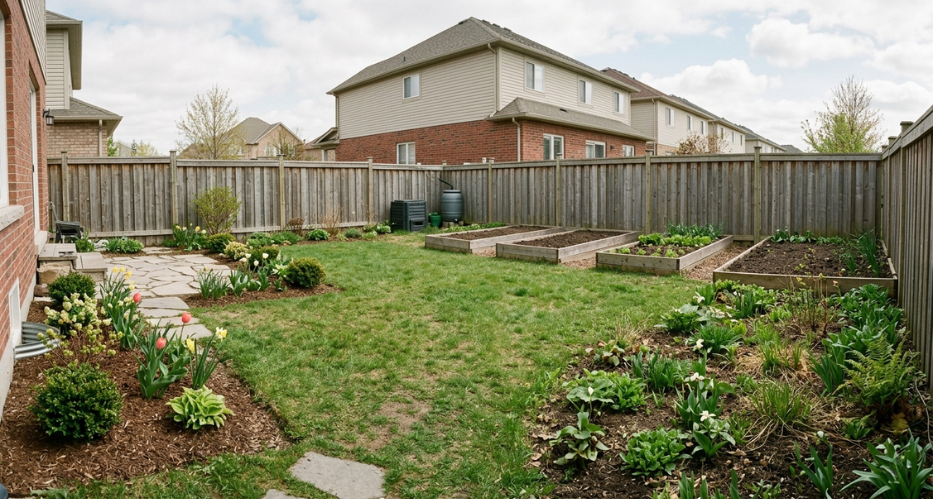
Knowing when to start watering your lawn in Ontario can make or break how your grass looks all summer. After a long winter, it is tempting to grab the hose the moment the snow melts.
A lot of homeowners assume that a green-looking lawn in early spring means it is ready for watering. That is one of the most common mix-ups.
That early green is usually just the grass waking up slowly, not a sign that it needs water yet. The ground still has residual moisture from snowmelt, and the roots are not actively drinking yet.
Watering too soon can lead to soggy soil, weak roots, and even lawn disease.
Wait until soil temperatures are consistently above 10°C and let the spring rainfall do the work first.
When you are unsure, Custodia Lawn Maintenance Services in Ontario is here to help. Explore our home management plan for personalized services and incredible discounts for seniors.
Book a free consultation online or call 1-833-410-4357.
When Should You Start Watering Your Lawn In Ontario In Spring?
Most Ontario homeowners are ready to start lawn care the moment temperatures climb above freezing.
But timing your first watering correctly matters more than most people realize.
In Ontario, many municipalities have water use bylaws that restrict outdoor watering to specific days and times. Ignoring these rules can result in fines.
Generally speaking, late April to mid-May is the safe window to begin watering in most parts of Ontario, once the last frost risk has passed and soil has warmed up properly.
Always check your local municipality’s guidelines before turning on your irrigation system this spring.
Here are Common Ontario Municipal Lawn Watering Restrictions
| Restriction Type | Details |
|---|---|
| Watering Season | Typically May or June through September or October |
| Odd/Even Day Scheduling | Odd-numbered addresses water on odd calendar days and even-numbered addresses on even days |
| Time of Day | Early morning 5 a.m. to 10 a.m. or late evening 7 p.m. to 10 p.m. only |
| Hand-held Hose Exception | Allowed anytime if using a shut-off nozzle, bucket, or watering can |
| New Sod or Seed Exemption | Temporary permit available for 7 to 30 days for newly laid sod or seeded areas |
| Total Ban Possibility | During extreme heat or drought, full outdoor watering bans can be imposed |
PS: Cities like Hamilton, Sudbury, Vaughan, Barrie and regions like Durham and Waterloo actively enforce these bylaws. Always verify current rules with your local municipality.
7 Key Things To Know Before You Start Watering This Spring:
- Watering before the last frost date can freeze moisture in soil and damage grass roots badly.
- Most Ontario municipalities restrict outdoor watering to protect water supply for essential services.
- First-time bylaw violations often result in a warning or fines as high as $300 in some cities.
- Repeat violations can lead to significantly higher fines depending on your municipality’s bylaws.
- Soil temperature below 10°C means your grass roots are not actively absorbing water yet.
- Late April to mid-May is generally the safest start window across most of Ontario.
- New sod or seed exemptions are available so always ask your municipality before watering freely.
[Read: How To Tell If Your Lawn Is Diseased In Canada?]
How Do You Know When Your Lawn Actually Needs Water In Spring?
Your lawn will tell you when it is thirsty. You just need to know what to look for.
Here are the top 10 signs your Ontario lawn is ready for its first watering this spring:
- Footprint Test – Walk across your lawn. If your footprints stay visible and grass does not spring back, it needs water.
- Soil Finger Test – Push your finger an inch into the soil. If it feels dry and crumbly, it is time.
- Dull or Bluish Grass Colour – Healthy grass is bright green. A dull bluish tint means the lawn is stressed and thirsty.
- Curling or Folding Blades – Grass blades that curl inward are protecting themselves from moisture loss. A clear thirst signal.
- Slow Growth – If your lawn has barely grown since the snow melted, lack of moisture could be the reason.
- Dry Cracked Soil – Visible cracks or hard crusty patches on the soil surface are a reliable sign of moisture deficit.
- Rainfall Deficit – If Ontario has had less than one inch of rainfall in the past week, your lawn likely needs a drink.
- Wilting or Limp Grass – Grass that looks flat and limp even in the morning is a strong sign it is not getting enough moisture.
- Lawn Feels Spongy or Compacted – Compacted soil after winter stops water from reaching roots properly. Aeration may be needed before watering.
- Edges and Corners Drying Out First – The edges along driveways, sidewalks, and fences dry out fastest. If those spots look stressed, the rest of the lawn is not far behind.
Does Your Lawn Need Watering Right After The Snow Melts In Ontario?
The short answer is no.
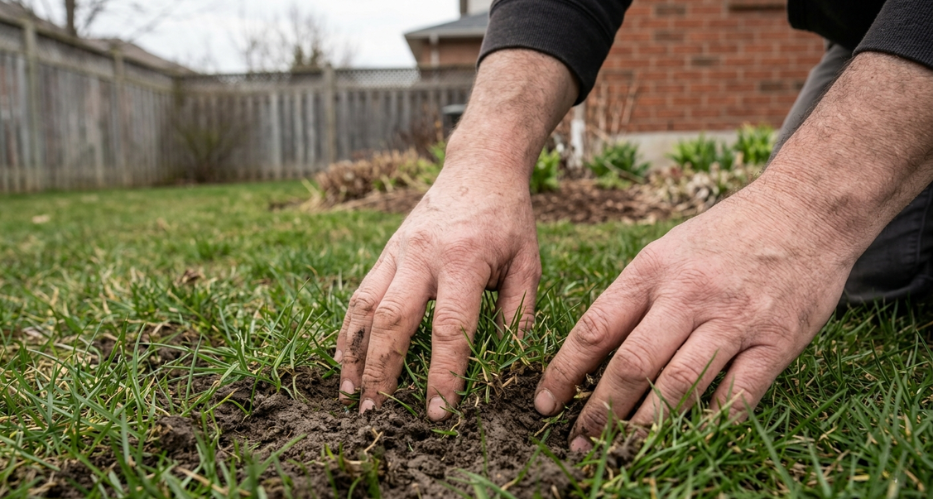
Snowmelt already releases a good amount of moisture into the soil. Your lawn is still coming out of dormancy and the roots are not ready to drink yet.
Most Ontario homeowners make the mistake of watering too soon out of excitement for spring.
Give it a few weeks. Let the ground fully thaw, let the soil warm up, and let nature do its job first.
Here Are 4 Dangers Of Watering Too Soon After Snowmelt in Ontario
| Danger | What It Means For Your Lawn |
|---|---|
| Waterlogged Soil | Excess moisture with nowhere to drain suffocates grass roots and kills them slowly from below |
| Fungal Disease | Wet and cold soil is the perfect breeding ground for lawn fungi like snow mould and rust |
| Compaction Damage | Watering saturated spring soil causes it to compact further under foot traffic and equipment weight |
| Wasted Water | Grass roots in cold dormant soil cannot absorb water so it simply runs off or evaporates uselessly |
How Often Should You Water Your Lawn In Spring In Ontario?
Here is our Expert Ontario Spring Lawn Watering Schedule
| Week | Watering Frequency | Amount Per Session | Best Time |
|---|---|---|---|
| Late April | Once per week | 0.5 inches | Before 10 a.m. |
| Early May | Once to twice per week | 0.5 to 0.75 inches | Before 10 a.m. |
| Mid May | Twice per week | 0.5 inches per session | Before 10 a.m. |
| Late May | Two to three times per week | 0.5 inches per session | Before 10 a.m. |
| Early June | Three times per week | 0.5 inches per session | Before 10 a.m. |
| Mid June | Three times per week | 0.5 to 0.75 inches per session | Before 10 a.m. |
| Late June | Three to four times per week | 0.75 inches per session | Before 10 a.m. |
NB: Adjust every session based on rainfall. If Ontario gets significant rain that week, skip your scheduled watering entirely.
Overwatering is just as damaging as underwatering.
What Are The Signs You Are Overwatering Your Lawn In Spring?
More water does not always mean a healthier lawn. Here are the top 7 signs you are overwatering your Ontario lawn this spring:
- Soggy or Mushy Soil – Ground stays wet and squishy long after watering or rainfall has stopped.
- Yellow or Pale Grass – Overwatered grass loses its rich green colour and starts looking washed out and weak.
- Fungal Growth – Mushrooms, mould, or strange patches appearing on your lawn signal too much moisture in the soil.
- Thatch Buildup – Excess water accelerates thatch accumulation, blocking air and nutrients from reaching grass roots below.
- Weed Explosion – Overly wet soil is a perfect environment for weeds like crabgrass and clover to take over quickly.
- Runoff After Watering – If water runs off your lawn onto the driveway or sidewalk, the soil is already fully saturated.
- Foul Smell From Soil – A rotten or sour smell coming from your lawn usually means the roots are suffocating underground.

How Do You Get Your Irrigation System Ready For Spring In Ontario?
Turning your irrigation system back on after a long Ontario winter is not as simple as flipping a switch. Rushing it can mean burst pipes and costly repairs.
Here are 5 simple steps to get it right:
Step 1: Wait Until After The Last Frost Date
Do not turn your system on before mid to late April. One surprise frost can crack your pipes overnight.
Step 2: Inspect All Sprinkler Heads
Walk your yard and check every head for cracks or damage from winter. Replace any damaged heads before turning water on.
Step 3: Slowly Turn The Water Supply Back On
Open the main valve gradually. Turning it on too fast creates a pressure surge that damages pipes and fittings.
Step 4: Test Every Zone
Run each zone individually and watch for uneven coverage or heads not popping up properly. Adjust as needed.
Step 5: Recalibrate Your Timer
Spring needs less water than summer. Set shorter and less frequent cycles to match cooler spring conditions.
Not comfortable doing this yourself?
Our handymen in Ontario handle it for you. Call 1-833-410-4357 or book online.
Conclusion
Spring lawn care in Ontario starts with the right timing. Water too early and you risk damage. Water too late and your lawn suffers.
FAQs About Spring Lawn Care In Ontario
1. How much does professional spring lawn care cost in Ontario?
Most homeowners pay between $150 and $850 depending on property size and services. Basic cleanup starts around $150 to $400.
Comprehensive packages including aeration, dethatching, and fertilization range from $350 to $800. Larger or neglected properties can exceed $850.
PS: Bundling services is always more cost effective than booking individually.
2. When should I turn my irrigation system back on in Ontario?
Wait until after the last frost, typically mid to late April in Ontario.
3. Is it worth hiring a lawn care company in Ontario for spring startup?
Yes. Professionals save you time, prevent costly mistakes, and keep your lawn healthy all season.