The transition from winter dormancy to active spring growth is the most critical window for your lawn. Lean out your window in Toronto or the Greater Toronto Area (GTA) on a warm spring weekend, and you’ll likely hear lawnmowers firing up across your neighborhood.
But cutting too early—or at the wrong height—is a massive mistake.
Mowing too early damages tender new shoots, compacts waterlogged spring soil, and exposes your turf to lingering frost damage. Wait too long, and your grass gets shaggy, traps moisture, and invites pests.
To help you time your first spring mow perfectly, this guide breaks down the exact environmental cues, regional timelines, and post-winter recovery steps you need for a lush, healthy lawn.

The Temperature Rule: When to Start Your First Cut
Forget picking an arbitrary date on the calendar. Your lawn reacts entirely to soil and air temperatures.
The Golden Rule: Schedule your first lawn cut of the spring when daytime air temperatures consistently reach 14°C to 16°C (57°F to 60°F) and the soil temperature climbs past 10°C (50°F).
At this threshold, cool-season grasses common to Ontario—like Kentucky Bluegrass and Perennial Ryegrass—officially break out of winter dormancy and begin active vertical growth.
5 Critical Signs Your Lawn is Ready for the Mower

Before pulling the starter cord, check off these five environmental markers:
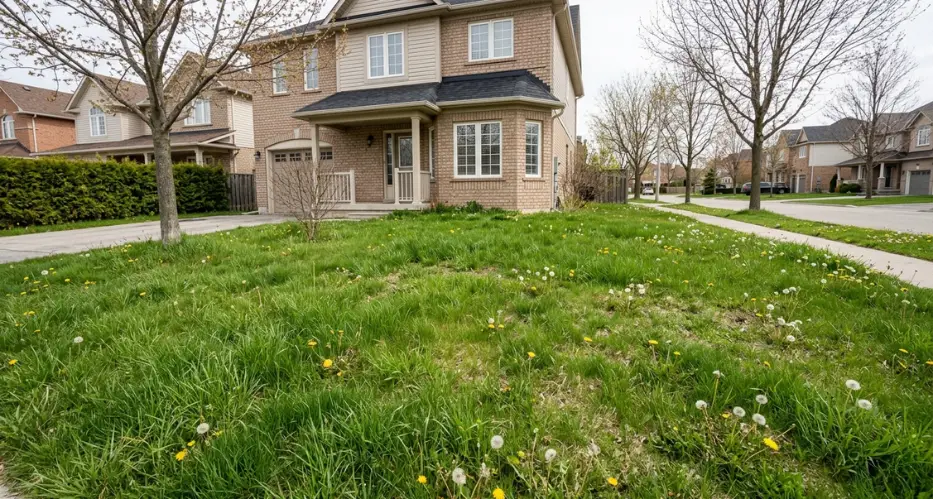
Visible Greening: New, bright green shoots are actively growing taller than the old, brown winter thatch.
Firm Ground: Walking on the lawn shouldn’t feel spongy or leave deep, muddy footprints.
Dry Turf: The grass must be dry enough that blades won’t rip out by the root or clog your mower deck.
Passed Frost Risk: The threat of sudden, late-season morning frost snaps has safely passed.
The 3-Inch Mark: Your grass has naturally grown to a height of about 3 to 3.5 inches.
Regional Spring Mowing Timelines: Toronto & The GTA
Spring arrives at different speeds across Ontario. For properties within Custodia’s core service areas, use this regional microclimate breakdown to time your first cut:
Region / City Expected First Cut Window Local Climate Factor City of Toronto & Lakeshore (Old Toronto, Etobicoke, Scarborough) Late April to Early May The lake-effect keeps the immediate shoreline cooler in early spring, occasionally delaying soil warm-up by a few days compared to inland areas. GTA West (Mississauga, Brampton, Oakville, Burlington) Late April Surburban microclimates away from the lake see more rapid soil warming, making them among the first to require consistent mowing. GTA North & East (Markham, North York, Richmond Hill, Vaughan, Oshawa) Early to Mid-May Higher elevations prolong chilly night temperatures, meaning a slightly delayed spring “green-up.”

6 Post-Winter Climate Challenges for Ontario Lawns
Our brutal winters mean your grass doesn’t just wake up refreshed—it wakes up battle-scarred. Before your first cut, your property has to survive these unique regional hurdles:
Snow Mold: This pink or gray fungal crust thrives in the cool, dark, moist conditions under melting snow banks. It must be gently raked out to let the soil breathe.
Compacted Soil: Months of heavy snow loads compress the earth, squeezing out the oxygen and pore space your grass roots desperately need to grow.
Frost Heaving: Freezing and thawing cycles lift shallow roots out of the earth, creating bumpy, uneven lawn surfaces that are hazardous to walk on.
Salt Damage: Road and sidewalk de-icers wash into roadside turf, causing chemical burns that leave brown, dead margins along driveways or walkways.
Spring Flooding: Heavy downpours combined with melting snow saturate the soil, occasionally suffocating root systems.
Emerging Spring Weeds: Fast-growing opportunists like dandelions and crabgrass wake up faster than your lawn, competing aggressively for early nutrients.
💡 Is Spring Yard Work Becoming Too Much to Handle? Clearing heavy debris, raking out mold, and wrestling a heavy lawnmower on uneven ground can be physically exhausting—especially for seniors trying to avoid slips and strains. Let the local experts handle it safely. Check out Custodia’s Home Management Plan Pricing to find a senior-friendly seasonal yard care plan.
Your Step-by-Step Post-Winter Lawn Recovery Routine

To build a thick, resilient carpet of grass that naturally crowds out weeds all summer, perform these tasks in sequence:
Step 1: Clear Debris & Lightly Rake
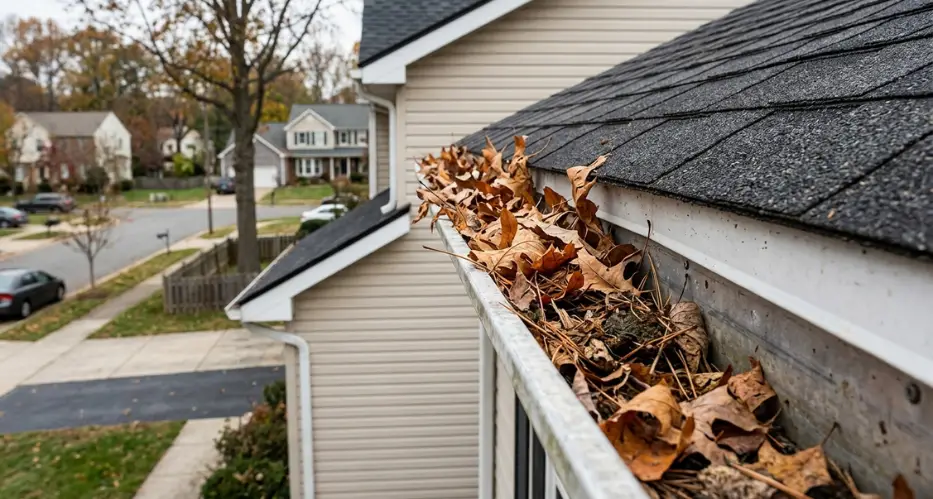
Before your first mow, walk your property to remove winter debris. Follow up with a gentle rake using a plastic leaf rake to lift matted grass patches and disrupt active snow mold.
Step 2: Set the Mower Deck High
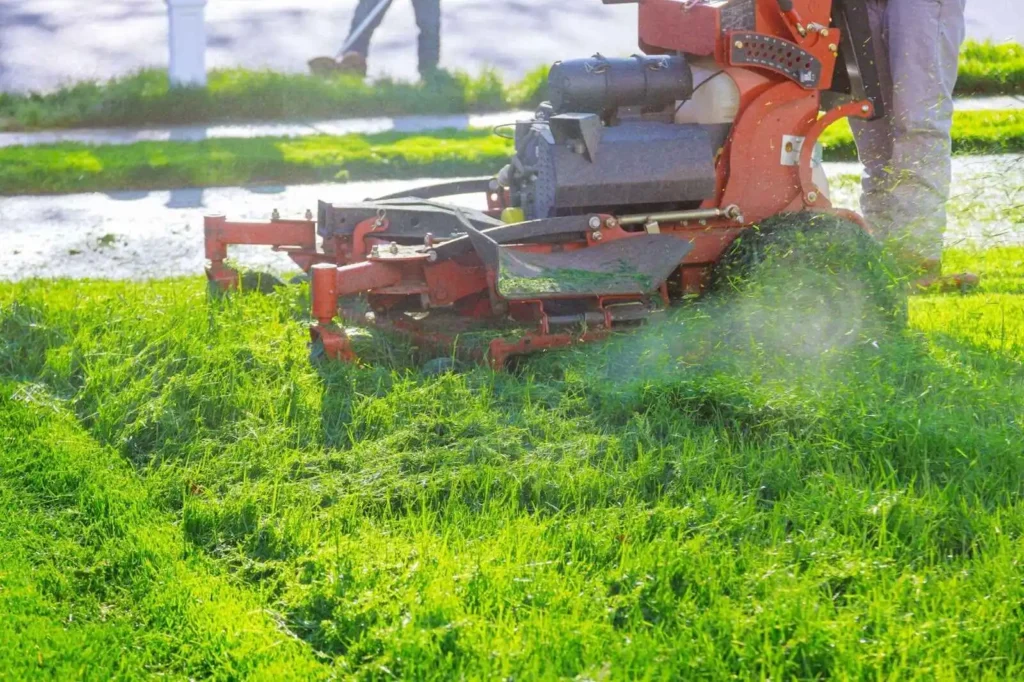
For your first two cuts of the spring, set your mower blades high (around 3 inches). Never cut off more than 1/3 of the grass blade length at one time. Cutting it too short (“scalping”) shocks young roots and invites weeds to take hold.
Step 3: Core Aeration & Overseeding
Once the soil has dried out completely, perform core aeration to reverse winter soil compaction. Follow up with a layer of overseeding so fresh grass seed can settle deep into the open aeration holes.
Step 4: Fertilize Wisely
Wait until your grass is actively growing and green before feeding it. Applying a balanced, slow-release spring fertilizer gives the root system a healthy nutrient boost without causing rapid, weak top-growth that a late frost could destroy.
FAQs: Cutting Grass After Winter in Ontario
1. When should I start cutting my grass after winter in Ontario?
The best time is when daytime air temperatures consistently settle between 14°C to 16°C and the grass reaches about 3 inches in height. In the GTA, this typically lands between late April and early May.
2. Is it okay to mow my lawn if the ground is still wet?
No. Mowing on soft, wet spring ground compacts the soil, tears up fragile grass roots, leaves deep tire ruts, and causes soggy grass clippings to clump together and smother your turf.
3. How do I fix brown patches and snow mold left behind by winter?
Gently rake the affected brown areas with a lawn rake to loosen matted blades and let sunlight dry out the soil. Once the ground warms, aerate the area, apply topsoil, and overseed the patches.
4. Why should seniors consider hiring a professional for spring lawn startups?
Spring lawn prep requires heavy lifting, operating machinery on slick, uneven surfaces, and intense physical bending. Hiring a professional service keeps seniors safe from injury while ensuring the property looks pristine.
Get Your Yard Spring-Ready with Custodia
Don’t spend your beautiful spring weekends struggling with heavy yard work, messy fertilizers, or erratic weather timelines. If you want a lush, healthy lawn without the physical strain, Custodia is here to support you.
We offer specialized, senior-friendly yard cleanups, core aeration, overseeding, and regular weekly lawn maintenance across Toronto, North York, Mississauga, Brampton, Vaughan, Markham, and the surrounding GTA.
Let our trusted professionals handle the hard work so you can safely enjoy your outdoor space.
Book Your Lawn Maintenance with Custodia Today or call our local team directly at 1-833-410-4357 to schedule your spring startup!