
Protecting your grass during winter is about giving your lawn the best possible foundation to withstand harsh conditions. A healthy, well-prepared lawn going into winter will naturally be more resilient and recover faster in spring.
Whether with pre-winter fertilization or protective barriers and smart snow management, let us explore the most effective ways to protect your grass during the Canadian winter.
Pre-winter Fertilization And Lawn Preparation

Late fall fertilization, often called winterizing fertilizer, gives your lawn the nutrients it needs to strengthen its root system and build up energy reserves for the dormant months ahead.
Look for a fertilizer specifically formulated for fall or winter application—these typically have higher potassium content and lower nitrogen levels compared to spring fertilizers. Potassium is key because it helps grass plants withstand cold stress, disease, and maintain cell structure during freezing temperatures.
Your final mowing of the season also plays an important role in winter protection. You’ll need to gradually lower your mowing height as fall progresses, aiming for a final cut that leaves your grass about two to two and a half inches tall. That final mow should happen right before the first significant snowfall, giving your lawn a clean start heading into winter.
Don’t overlook clearing debris from your lawn before winter sets in. Fallen leaves, twigs, and other organic matter might seem harmless, but when they sit on your grass all winter under snow cover, they create problems.
Protective Products And Treatments For Winter Grass Care
Once you’ve prepared your lawn properly, certain products can provide additional protection against winter’s specific challenges. Anti-desiccant sprays create a protective coating on grass blades that help reduce moisture loss during winter. These products are useful in areas that experience harsh, dry winter winds or in spots where snow cover is inconsistent.
For lawns that are particularly vulnerable to winter damage, consider using protective covers or barriers in strategic locations. Burlap or landscape fabric can protect grass in areas where you know there will be heavy foot traffic, such as paths to bird feeders, shortcuts across the lawn, or areas near driveways where snow gets piled. These barriers distribute weight more evenly and prevent the soil compaction that damages grassroots.
Use sand, kitty litter, or specialized traction products that don’t contain salt at all. If you must use salt on walkways, apply it sparingly and try to keep it away from grass edges. For areas where salt exposure is unavoidable, you can apply gypsum (calcium sulfate) which helps displace sodium in the soil and improves soil structure, reducing some damage caused by winter salt application.
Smart Snow Management And Winter Lawn Practices

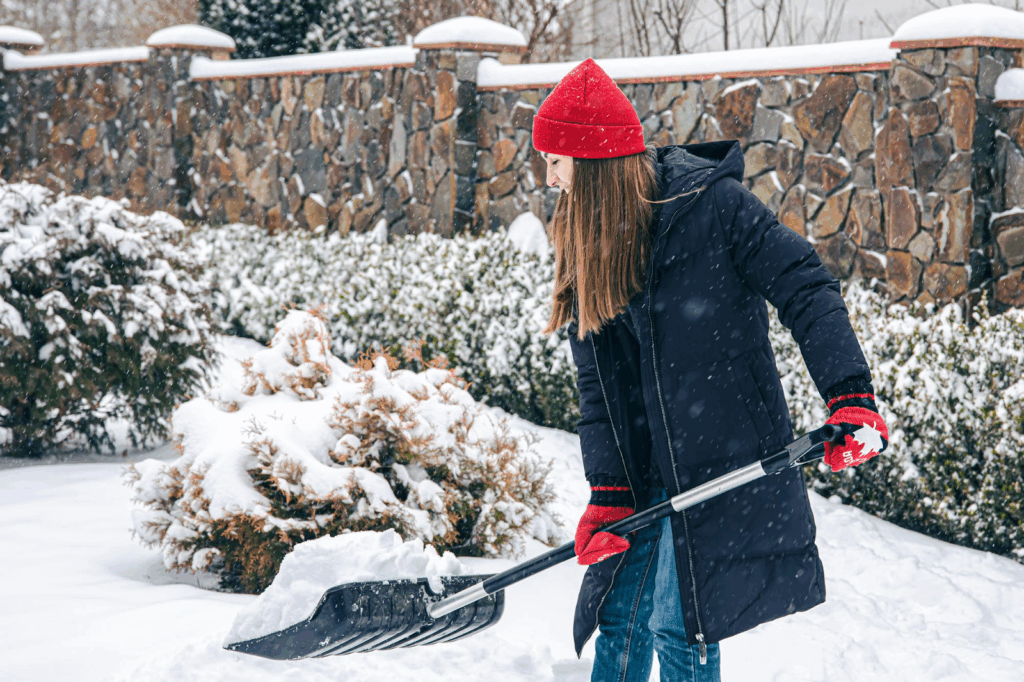
Try to distribute snow as evenly as possible across your lawn, rather than creating massive piles in one spot. Avoid walking on your lawn as much as possible during winter, especially when there’s little or no snow cover.
If you need to cross your lawn regularly during winter, establish designated pathways and consider placing stepping stones or temporary walkways to distribute weight and protect the grass underneath.
Be mindful of where you pile snow that’s been treated with salt or ice melt. That contaminated snow will eventually melt, and the salt will leach into whatever soil is nearby.
If you hire a snow removal service, communicate clearly about where you want snow piled and ask them to avoid dumping it on grass whenever possible.
Patience is truly a virtue when it comes to winter lawn care. Your grass knows what to do; your job is simply to protect it from the worst of winter’s challenges, and then let nature take its course as spring approaches.