The correct order of lawn care in Canada trips up even the most dedicated homeowners every single year.
You rake too early. You fertilize before the ground is ready. Then you wonder why your lawn looks patchy by July.
Ontario’s climate makes timing everything. Harsh winters leave your grass stressed, compacted, and starving for care.
Do things out of order and you waste money, time, and effort.
Most lawn problems start with good intentions done in the wrong sequence.
Spring cleanup before aeration. Aeration before overseeding. Fertilizing at the right growth stage.
Each step builds on the last. Skip one or flip the order and results suffer.
A healthy lawn also protects your property value and keeps your outdoor space safe for family all season.
If you want it done right without the guesswork, Custodia Lawn Maintenance Services in Ontario handle every step in the correct order.
You can also explore our home management plan for personalized services at incredible senior discounts.
Book a free consultation online or call 1-833-410-4357 today.
When Should You Start Spring Lawn Care In Ontario?
Most Ontario homeowners jump in too early.
Wait until daytime temperatures consistently stay above 10 degrees Celsius. That usually means late March through mid April depending on your region.
What Is The First Cleanup Step After Winter?
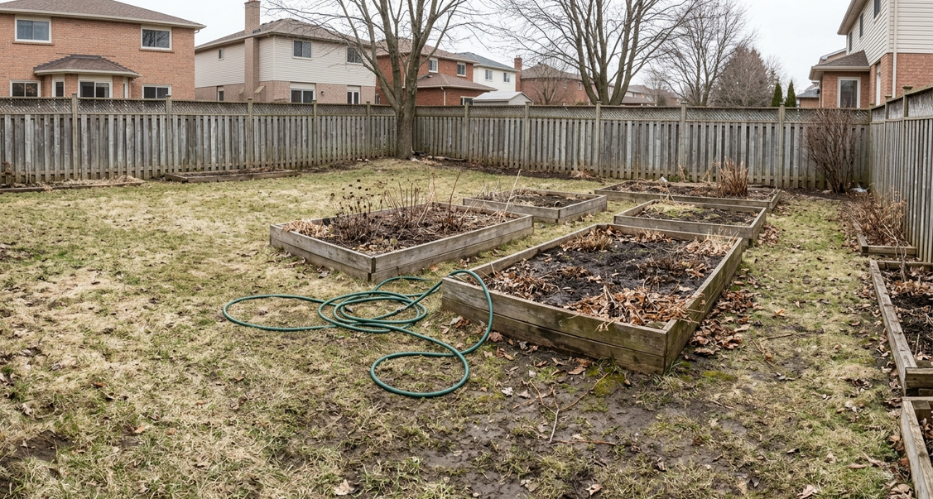
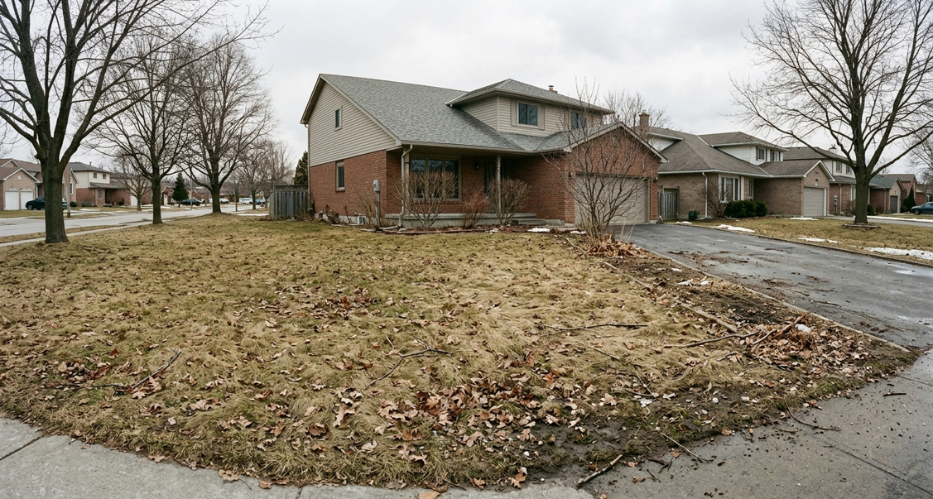
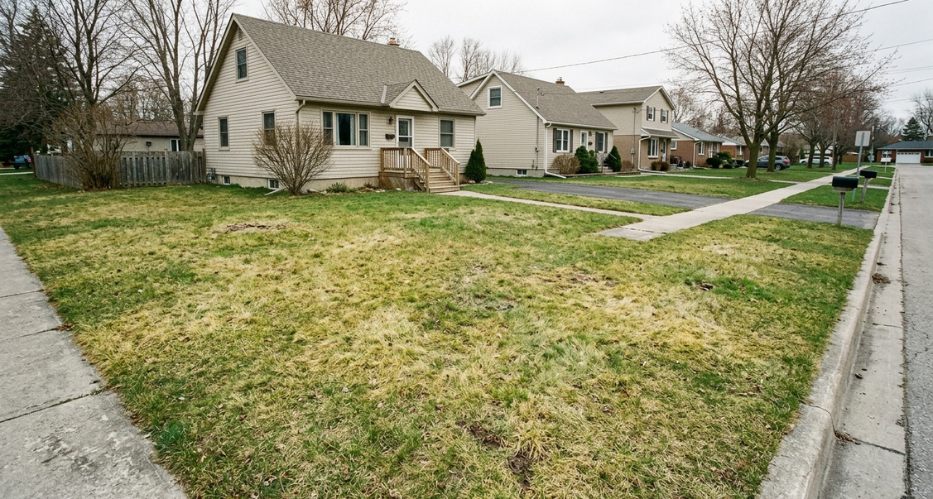
Winter leaves your lawn in rough shape. Start with a full visual walkthrough before touching anything. Look for these common post winter problems:
Snow mold patches showing up as grey or pink circular spots on grass
Salt damage along driveways and walkways leaving brown dead strips behind
Matted and compressed grass that cannot breathe or absorb sunlight properly
Debris like sticks, leaves, and gravel sitting on top of weak turf
Should You Aerate Or Overseed Before Fertilizing?
Always aerate first. Aeration opens the soil so fertilizer and seed actually reach the roots. Skipping this step wastes both products completely.
What Is The Correct Order Of Lawn Care Tasks In Canada?
Getting the sequence right changes everything.
Here is the exact order Ontario lawns need from spring through fall:
Step 1: Spring Cleanup First
Rake out debris, snow mold, and salt damage early. Matted grass suffocates new growth before it even starts. Clear everything so your lawn can breathe again and receive sunlight properly.
Step 2: Aeration And Dethatching Next
Dethatch first to pull up dead grass layers sitting on your soil. Then core aerate to break up compaction. Roots finally get the oxygen, water, and nutrients they have been starving for all winter.
Step 3: Overseeding After Aeration
Spread seed immediately after aeration while holes are still open. Seed drops directly into the soil for better germination. Thin and bare patches fill in much faster this way.
Step 4: Fertilizing To Boost Growth
Wait until grass is actively greening before applying fertilizer. Feeding dormant grass wastes product and stresses roots unnecessarily.
Step 5: Summer Mowing And Watering Routine
Mow at 6 to 8 cm and never cut more than one third at once. Water deeply in the early morning to reduce evaporation and prevent surface disease.
Step 6: Fall Prep And Leaf Removal Last
Aerate again in late August or September. Apply winter fertilizer and rake all leaves before the first frost hits your lawn.
[Read: What Is The 1% Rule For Lawn Maintenance In Canada?]Is Aeration Or Overseeding The Next Step After Spring Cleanup?
Order matters more than most homeowners realize. Getting this wrong is one of the most common and costly lawn care mistakes we see every spring in Ontario.
What Is The Best Order For Aeration And Dethatching?
Always dethatch before you aerate.
Here is why that sequence works:
Dethatching clears the dead grass layer sitting on top so aeration cores can actually penetrate clean soil underneath properly
Aerating after dethatching means channels go deeper and roots access nutrients and water much more effectively all season
When Should You Overseed A Lawn In Canada?
Timing your overseeding correctly makes a real difference.
The two best windows are:
Spring overseeding works well right after aeration when soil temperatures reach around 10 degrees Celsius consistently
Fall overseeding between late August and mid September often produces better germination with cooler temperatures and more rainfall
Do You Need Topdressing After Overseeding?
Topdressing is worth doing when you want serious results. A thin layer of compost over fresh seed retains moisture and improves germination rates noticeably.
Topdressing Type | Best Use | Benefit |
|---|---|---|
Compost | After overseeding | Retains moisture and feeds new seed |
Sand | Compacted clay soil | Improves drainage and soil structure |
Triple mix | Bare or thin patches | Adds nutrients and supports root development |
When Should You Fertilize Your Lawn In Canada?
Fertilizing at the wrong time is like feeding someone a big meal when they are asleep. Your lawn cannot use what it is not ready to absorb. Timing is everything here.
What Fertilizer Should You Use In Spring?
Spring calls for a nitrogen heavy formula to kick start recovery. Look for these key things before you buy:
A high first number on the bag like 30-3-3 signals strong nitrogen content for fast green up after winter
Slow release granular formulas feed your lawn steadily over weeks instead of one overwhelming burst that burns roots
Apply only once grass is actively growing and soil temperatures have consistently reached 10 degrees Celsius or warmer
When Is The Best Time To Apply Summer Fertilizer?
Summer fertilizing needs careful timing. Applying during heat waves or drought stress causes serious burning damage to already vulnerable grass.
Use a slow release low nitrogen formula to gently sustain growth without pushing excessive blade production during hot months
Always water your lawn thoroughly before and after any summer fertilizer application to protect roots completely
Why Does Fall Fertilizer Matter More In Canada?
Fall feeding is honestly the most important application of the entire year for Ontario lawns.
A potassium rich winterizer formula strengthens roots and builds cold tolerance before ground freezes completely
Apply between late September and mid October before the first hard frost hits your lawn
Season | Recommended Formula | Best Timing |
|---|---|---|
Spring | 30-3-3 nitrogen heavy | Late April to mid May |
Summer | Slow release low nitrogen | Late June avoiding heat waves |
Fall | Winterizer potassium rich | Late September to mid October |
What Is The Right Mowing And Watering Routine In Summer?
One week brings heavy rain and the next brings scorching heat. Getting your mowing and watering routine right keeps your lawn resilient through all of it.
How Short Should You Cut Grass In Ontario?
Cutting too short is one of the most damaging things homeowners do in summer.
Keep these points in mind:
Maintain grass height between 6 and 8 centimeters throughout the entire summer season for optimal turf health
Shorter grass exposes soil directly to heat which dries roots out fast and invites weeds to take over
Taller grass shades the soil naturally and retains moisture much longer between watering sessions
What Is The 1/3 Rule In Mowing?
The one third rule is simple but most homeowners ignore it completely until damage is already done.
Never remove more than one third of the grass blade in any single mowing session ever
Cutting too much at once sends your lawn into shock and opens the door wide for disease and weed invasion
If your lawn gets long during vacation simply mow in two gradual sessions spread a few days apart
How Often Should You Water A Lawn In Hot Canadian Weather?
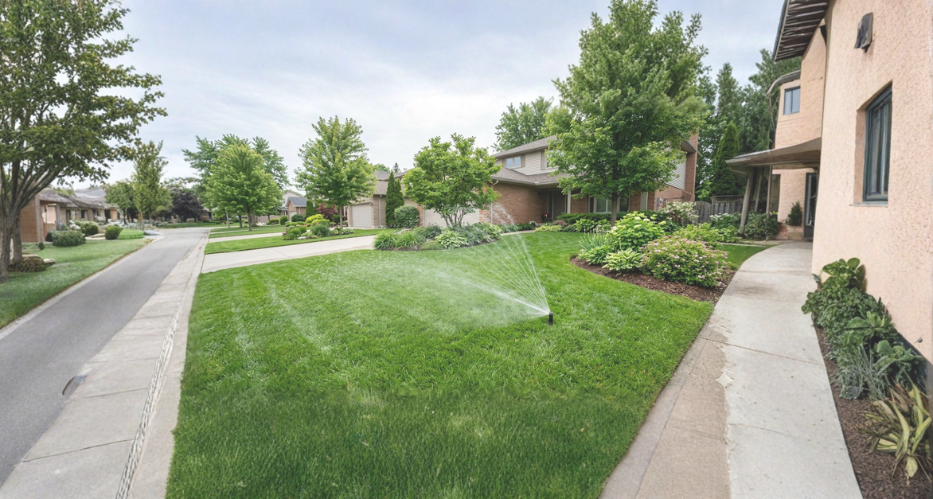
Deep and infrequent watering always beats shallow and frequent watering for Ontario lawns in summer.
Watering Factor | Right Approach | Wrong Approach |
|---|---|---|
Frequency | 2 to 3 times weekly | Daily light sprinkling |
Amount per session | 2.5 cm deep per session | Less than 1 cm per session |
Best time of day | Early morning before 10am | Midday or late evening |
Root depth result | Deep strong drought resistant roots | Shallow weak roots that dry out fast |
Disease risk | Low with morning watering | High with evening watering and wet overnight grass |
What Lawn Care Order Works Best For Busy Homeowners In Ontario?
Keeping up with the correct lawn care order every season is a real commitment.
Life gets busy and the timing slips fast. That is where professional help makes a genuine difference.
Custodia garden care services in Ontario handle every step in the right order at exactly the right time.
No guesswork. No missed windows. Just a healthy lawn season after season.
Conclusion
The correct order of lawn care in Canada starts with spring cleanup and ends with fall winter prep.
Every step builds on the last. Skip one and your lawn suffers.
Book a free consultation online or call 1-833-410-4357 today.
Ontario Lawn Care FAQs: Top Lawn Care Questions Answered By Custodia Experts
1. How much does professional lawn care cost in Ontario?
Most Ontario homeowners invest between $100 and $300 monthly depending on property size and services.
2. How often should a lawn care company visit your property?
Custodia recommends bi-weekly visits during active growing seasons for best results.
3. What is the difference between lawn maintenance and full service lawn care?
Maintenance covers mowing and cleanup. Full service includes aeration, fertilizing, overseeding, and seasonal prep.
4. Can a lawn care company fix bare patches, weeds, and thin grass?
Yes. Custodia repairs bare patches using targeted overseeding, fertilizing, and professional weed control treatments.
5. Do professional lawn care services handle seasonal cleanup and winter prep too?
Yes. Custodia manages full seasonal cleanup, fall aeration, leaf removal, and complete winter preparation.