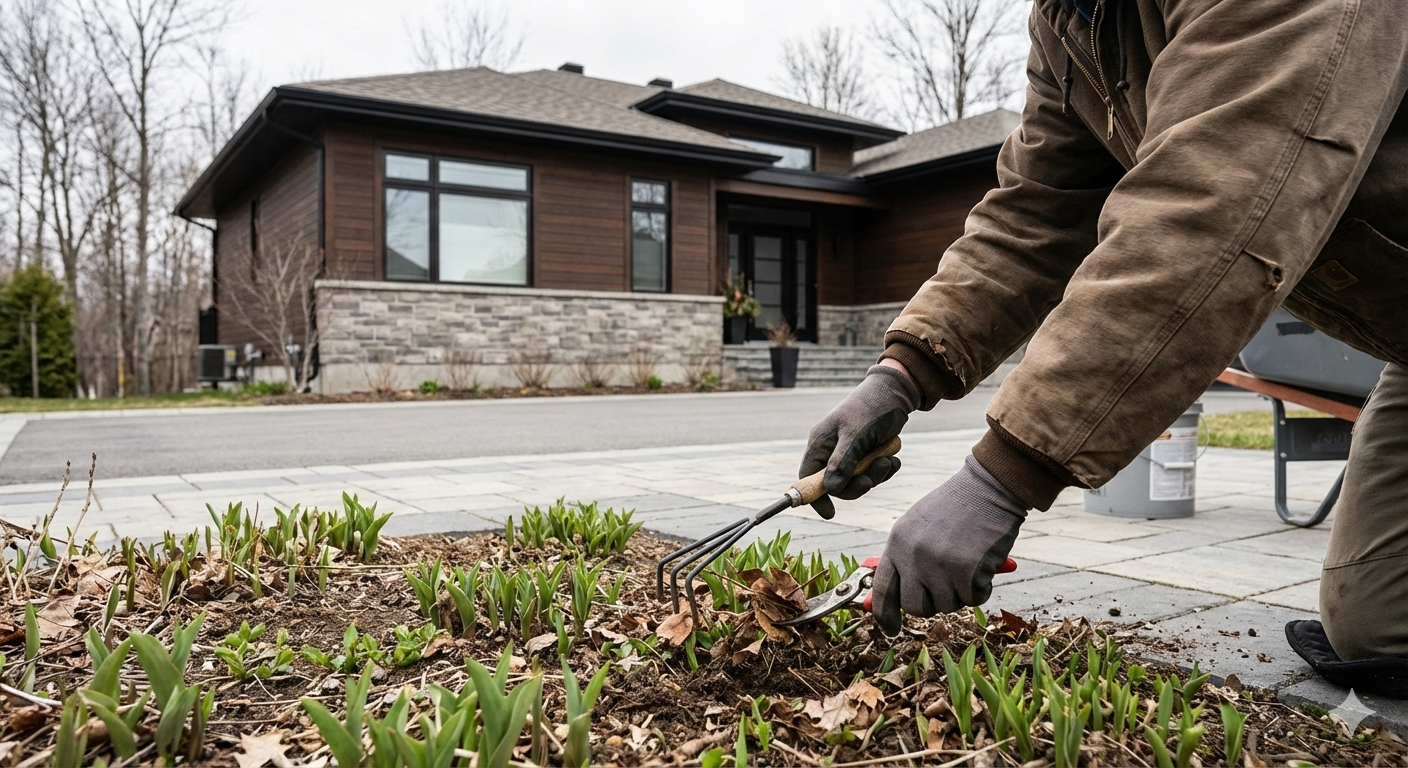

Have you ever stepped outside and noticed your yard looking tired even though you cleaned it not long ago?
Or maybe you keep seeing leaves, branches, and small debris piling up faster than you can manage. And sometimes you wonder why your grass looks patchy or why water keeps pooling near your foundation after rain.
These small issues might seem harmless at first, yet they slowly turn into bigger problems that affect your home, comfort, and safety.
In Canada, yard clean up is not just a weekend chore.
It is a key part of keeping your home healthy through every season. And as the weather shifts from cold to warm and back again, your yard reacts.
Grass struggles after heavy snow. Soil compacts. Pests find shelter in wet leaves. Even gutters clog quicker than most people expect. Because of this, timing your clean up becomes just as important as the work itself.
This is why so many families and homeowners in Ontario reach out to Custodia for professional consultation and book their home inspection.
Our Home Management Plans make yard seasonal clean ups simple and predictable, so your home stays safer and easier to care for all year.
When Should You Start Yard Clean Up in Spring in Canada?

The best time to begin spring yard clean up in Ontario is usually late March to late April, when the last snow has melted and the soil finally firms up.
This timing protects new grass shoots from damage and helps your yard recover at the right pace. And because Ontario’s spring shifts fast, starting within this window gives your lawn the healthiest beginning for the season ahead.
As winter breaks, your yard is more delicate than it looks.
The soil is wet. The roots are cold. And debris traps moisture that can invite mold or pests. This is why spring clean up must be more than a chore.
Here is what you should focus on during early spring:
1. Remove leftover leaves and winter debris
They block sunlight and trap moisture that weakens new grass. Clearing them helps the soil warm faster and supports healthy spring growth.
2. Gather fallen branches and broken twigs
Winter storms often break shrubs and trees. Picking up this debris improves airflow and reduces hiding spots for pests as the ground warms.
3. Check gutters and downspouts for clogs
Meltwater runs heavy in spring. Clean gutters help prevent overflow that can lead to wet basements, soil erosion, and foundation issues.
4. Rake lightly to loosen matted grass
This lifts compacted areas caused by snow pressure. It lets oxygen reach the soil and helps new growth spread more evenly.
5. Inspect for winter damage across your yard
Look for bare patches, salt damage, or pooling water. Spotting early problems saves you time and keeps small issues from becoming costly repairs.
Starting between late March and late April gives your yard a safe, steady transition into spring. It also prepares the ground for fertilizing, overseeding, and any deeper lawn work you plan for the months ahead.
Is Fall the Best Time for Yard Clean Up in Canada?
Yes. For many homeowners in Canada, fall is the best time for a full yard clean up, especially in Ontario. This season usually runs from late September to early November, when leaves drop fast and grass growth slows.
Here is why fall clean up matters so much:
1. Wet leaves break down and cause mold
Leaves trap moisture against the grass. Over time, this creates mold and weakens your lawn before winter even begins.
2. Debris gives pests a place to hide
As temperatures fall, rodents and insects look for shelter. Yard clutter offers the perfect cover near your home.
3. Cool weather helps grass roots strengthen
Fall conditions allow nutrients to reach the soil. This helps roots grow deeper and survive winter stress.
4. Storm damage is easier to prevent now
Removing weak branches and clearing gutters reduces risks from snow, ice, and heavy wind.
When fall clean up is done at the right time, your yard enters winter stronger and more protected. And when spring arrives, recovery becomes easier and far less costly.
[Read: What Happens If You Don’t Remove Snow From A Driveway In Canada?]
What Month Is Best for Yard Clean Up in Canada?
The best month for yard clean up in Canada depends on your local weather zone.
In Ontario, most homeowners see the best results between April and May for spring and October for fall. These months match soil conditions, plant recovery, and seasonal weather shifts.
Here is how timing changes by region:
1. Southern Ontario and urban areas
Spring clean up usually starts in April as soil warms faster. Fall clean up works best in October before heavy frost arrives.
2. Northern Ontario and colder zones
Snow melts later in spring, often in May. Fall clean up should begin earlier, around late September.
3. Coastal and milder regions
These areas have longer growing seasons. Clean up can stretch into early May and late October without harming the lawn.
Should You Hire Yard Clean Up Services or Do It Yourself in Canada?
DIY yard clean up can seem manageable. Yet, freeze-thaw cycles, heavy moisture, and compacted soil make seasonal clean up more technical than most homeowners realize.
Spring ground remains unstable long after snow melts. Fall debris holds moisture longer due to shorter daylight hours. Both increase risks when timing or technique is off.
Here are risks that often go unnoticed:
1. Freeze-thaw soil movement increases injury risk
As soil expands and contracts, surfaces shift unevenly. This raises the chance of joint strain and falls, even on level ground.
2. Decomposing organic matter releases harmful spores
Wet leaves and plant waste create mold colonies. Repeated exposure can affect breathing and trigger allergic reactions.
3. Incorrect clean up timing disrupts soil biology
Early raking breaks new shoots. Late removal blocks oxygen. Both reduce nutrient uptake and slow recovery.
4. Debris buildup invites overwintering pests
Clutter provides insulation. Rodents and insects settle in, then migrate closer to foundations.
This is why many homeowners rely on Custodia.
Our Home Management Plans allow you to choose yard services that match your property needs and bundle them into one managed schedule.
How Often Should You Do Yard Clean Up in Canada?
In Canada, yard clean up works best when it becomes part of a steady routine, not a reaction to mess or damage.
Most homes do well with four planned clean ups each year, plus light checks in between. When care is delayed, small problems quietly grow. And by the time they are visible, they often cost more time and energy to fix.
Here is a simple seasonal yard clean up schedule many Ontario homeowners follow:
| Season | Key Tasks Included | Why It Helps |
|---|---|---|
| Early Spring | Debris removal, light raking, gutter checks | Helps grass recover and prevents mold after snow melt |
| Late Spring | Pruning, edging, soil inspection | Supports healthy growth before summer stress |
| Early Fall | Leaf control, shrub trimming, drainage review | Reduces pests and moisture problems |
| Late Fall | Final leaf removal, branch clearing | Protects your yard through winter freeze cycles |
Keeping up with this routine can feel overwhelming and this is where Custodia Home Management Plans in Ontario make life and yard maintenance easier.
We bundle the exact yard services your property needs into one affordable monthly plan.
Nothing is missed. Nothing is rushed.
FAQs: Yard Clean Up Services in Ontario

1. How much does yard clean up cost in Ontario?
Costs depend on yard size, season, and condition. Ongoing plans lower long-term costs and avoid one-time surge pricing.
2. What does professional yard clean up include?
It includes debris and leaf removal, light raking, pruning, gutter checks, and seasonal inspections tailored to your yard.
3. Is hiring professionals worth it?
Yes. Ontario weather increases injury risks and lawn damage when clean up is mistimed or incomplete.
4. How often should yard clean up be done?
Most homes need four seasonal clean ups yearly to protect soil, grass, and drainage.
5. How do I choose the right company?
Choose local experience, clear scheduling, and bundled care. Custodia Home Management Plans cover all three.

If you want steady care without the guesswork, call 1-833-410-4357 or book a free consultation to see which plan fits your yard best.