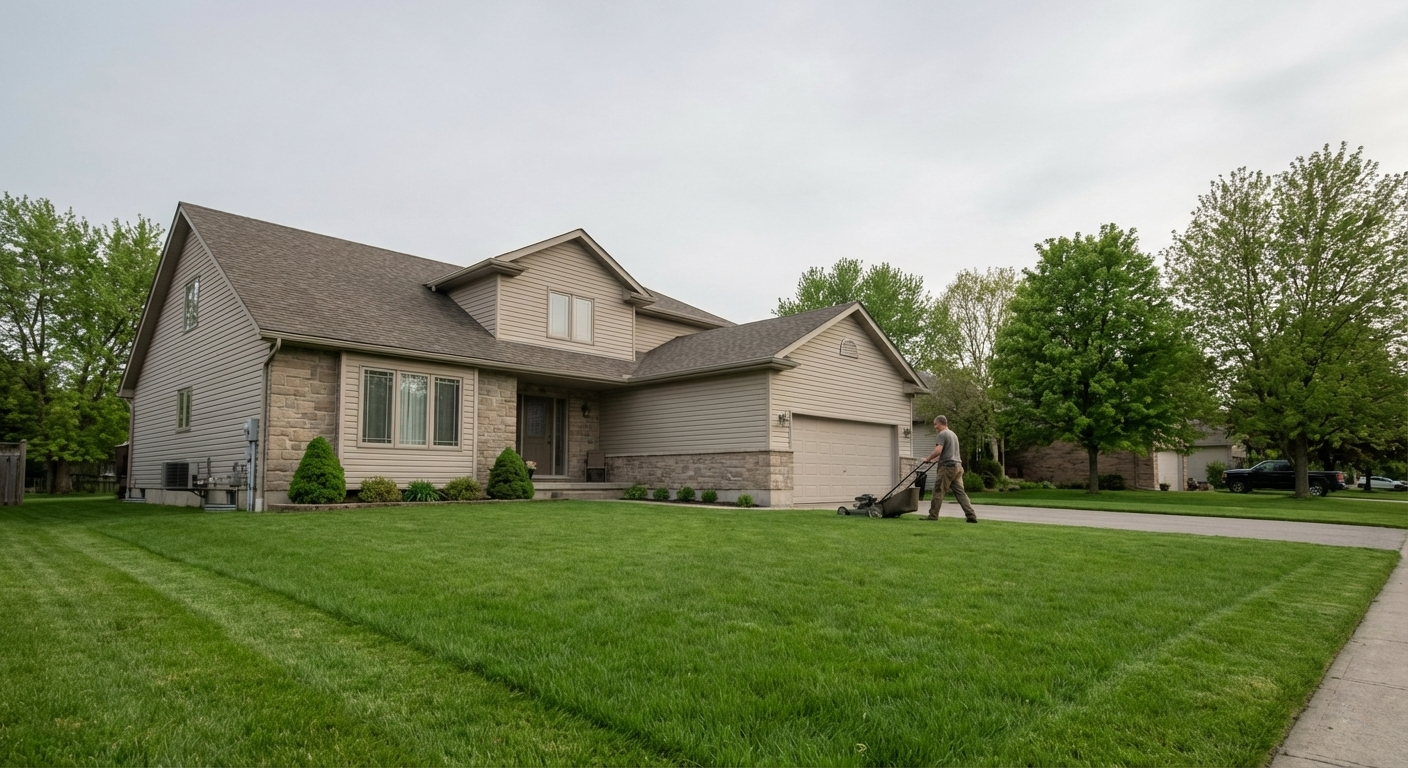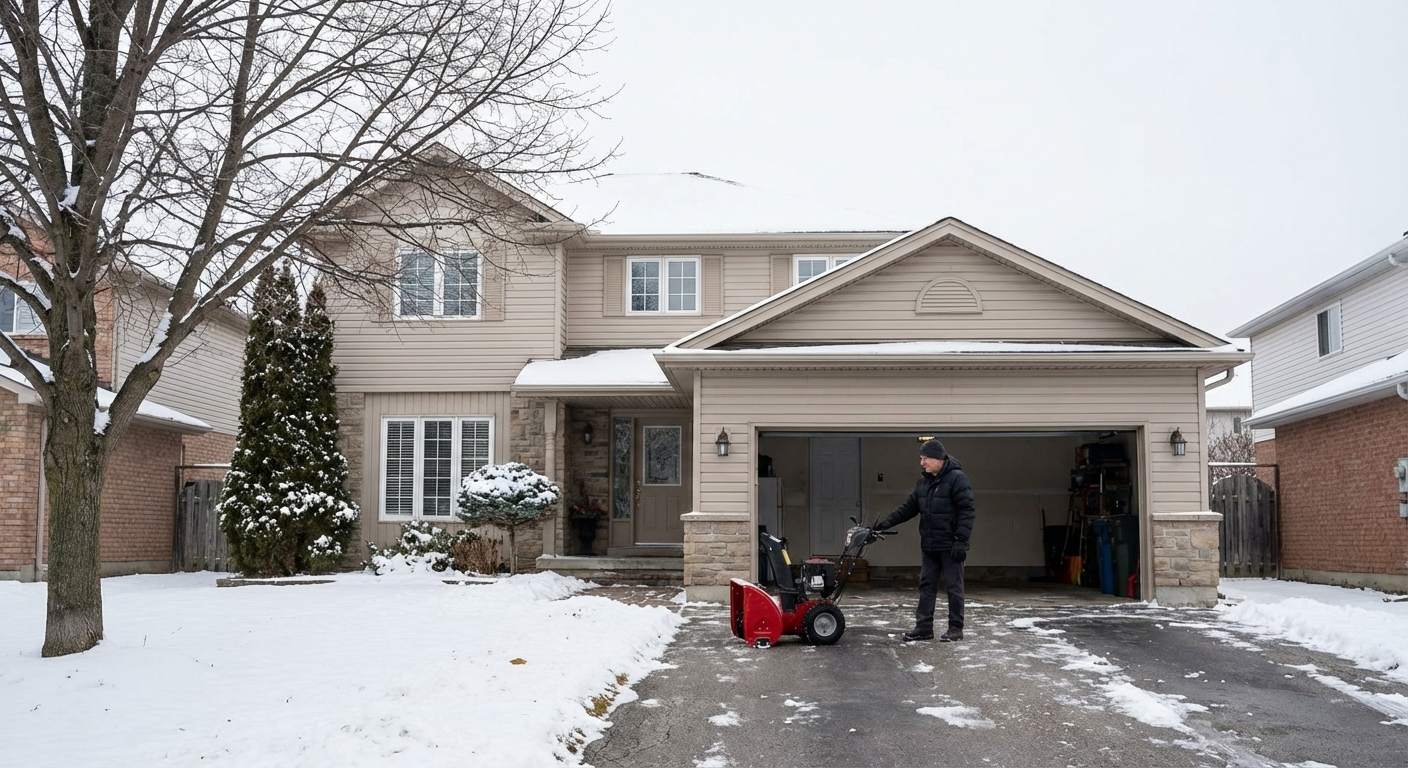

Winter in Canada leaves more behind than snow. Salt residue sticks to siding. Grime settles into concrete. And mold quietly grows where moisture lingers.
Many homeowners notice it but hesitate to clean, unsure if power washing in winter will cause damage instead of fixing the problem.
The truth is that winter cleaning requires a very different approach.
Cold air, frozen surfaces, and poor drainage turn standard power washing methods into risks. Water can refreeze within seconds. Chemicals lose effectiveness.
And the wrong pressure can crack siding or weaken masonry.
This is why winter power washing often goes wrong when treated like a warm-weather task. When done properly, however, winter power washing protects your home rather than harms it.
For homeowners who want this handled correctly, Custodia Home Management Plans in Ontario include professional power washing and seasonal exterior care, along with other services tailored to your home.
It is a simple way to keep your property clean, safe, and well maintained all year.
Can You Power Wash a House During Winter in Canada?
Yes, winter power washing is possible in Canada.
But it comes with risks many homeowners do not expect. Cold weather changes how water behaves, how surfaces react, and how fast damage can happen.
Here are 7 Things Homeowners Should Know First:

1. Temperature matters more than the calendar
What matters most is surface temperature, not the month. When siding, brick, or concrete sits below freezing, water can refreeze instantly and cause cracks, surface stress, and hidden moisture damage
2. Water type makes a big difference
Cold water increases icing and reduces cleaning power. Hot water or steam cleans faster, breaks down grime better, and evaporates quicker, which lowers the risk of ice forming on surfaces and walkways.
3. Runoff becomes an immediate safety hazard
In winter, runoff can freeze within seconds. This creates slip and fall risks on steps, driveways, and entry points, especially for families, visitors, and delivery workers.
4. Some surfaces handle winter better than others
Vinyl siding is flexible and more forgiving. Brick, stone, and concrete are rigid and prone to cracking when exposed to sudden temperature changes and trapped moisture.
5. Cleaning products behave differently in cold weather
Standard soaps lose effectiveness in low temperatures. Winter-grade detergents are designed to stay active without forcing higher pressure that can damage siding and finishes.
6. Power washing equipment can freeze from the inside
Water left in hoses, pumps, or seals can freeze and expand. This often leads to cracked fittings, damaged pumps, and costly equipment repairs after one use.
7. Timing and sunlight reduce freezing risks
Midday cleaning allows sunlight to speed evaporation. Shaded, windy, or north-facing areas freeze faster and should be avoided during winter washing.
Understanding these points helps you avoid damage and decide when winter power washing is safe.
[Read: When Should You Not Use A Pressure Washer In Ontario?]
What Is the Best Way to Power Wash a House Safely in Canadian Winter Conditions?
Winter power washing can feel intimidating.
One wrong move and water turns to ice, surfaces crack, or walkways become dangerous. Many homeowners stand outside, look at the grime building up, and wonder if it is even worth the risk.
The good news is that winter cleaning can be done safely.
It just requires a slower pace, smarter choices, and the right setup.
Here are 5 steps to reduce damage and protect your home’s exterior during cold weather:
1. Use hot water or steam, not cold water
Hot water or steam breaks down salt, grime, and mold faster. It also evaporates quicker, reducing the chance of refreezing on siding, walkways, and nearby surfaces.
2. Choose winter-grade cleaning solutions
Cold-weather detergents stay effective in low temperatures. They clean without forcing higher pressure that can crack siding or strip finishes.
3. Wash sun-exposed areas first
Start where sunlight helps water evaporate. Avoid shaded or windy sections that freeze quickly and increase slip hazards.
4. Control runoff before you start
Plan where water will flow. Keep runoff away from steps, doors, and driveways to prevent ice buildup.
5. Winterize equipment immediately after use
Blow out hoses and pumps with air and add non-toxic antifreeze to prevent internal freezing.
For many homeowners, this is safer handled by professionals.
Custodia pressure washing services in Ontario follow winter-safe methods and include exterior care through our Home Management Plans.
What De-Icing Agents Are Safest for Concrete and Asphalt During Winter Power Washing?

When power washing in winter, runoff management matters as much as cleaning.
Water that refreezes can damage surfaces and create safety risks. Choosing the right de-icing agents helps protect concrete and asphalt while keeping walkways safe.
- Calcium Magnesium Acetate (CMA)
CMA is one of the safest options for winter power washing. It prevents ice from bonding to surfaces instead of aggressively melting it. This reduces freeze-thaw damage, does not corrode concrete, and is biodegradable.
- Magnesium chloride
Magnesium chloride works well in most Canadian winter conditions. It is less corrosive than rock salt and remains effective in colder temperatures. When used correctly, it protects concrete while improving traction.
- Calcium chloride
Calcium chloride performs well in extreme cold and melts ice quickly. However, it should be used sparingly and avoided on freshly poured concrete because it can cause surface stress.
De-Icing Agents To Avoid
Rock salt and potassium chloride increase cracking, flaking, and moisture absorption. These products cause long-term damage during repeated freeze-thaw cycles.
What Should You Never Use to Power Wash a House in Winter?
Some products and methods cause serious damage in cold weather.
- Cold water increases icing and reduces cleaning power.
- Dish soap breaks down poorly and leaves residue that attracts dirt.
- High pressure can crack siding and force water into walls where it freezes.
- Avoid spraying frozen surfaces, door locks, steps, and walkways, as they can freeze instantly.
Using the wrong approach in winter often creates safety hazards and costly repairs instead of solving the problem.
What Surfaces Can and Cannot Be Power Washed in Winter in Canada
Not every surface reacts the same way to cold, pressure, and moisture.
In winter, knowing what to clean and what to avoid prevents cracking, ice damage, and costly repairs.
Surfaces That Can Be Power Washed In Winter With Proper Methods
- Vinyl siding – Flexible and tolerant when cleaned with hot water or steam at low pressure.
- Brick and masonry – Safe only with controlled pressure and winter-grade detergents to avoid moisture freeze inside pores.
- Concrete driveways and walkways – Can be cleaned if runoff is managed and de-icers are applied immediately.
- Metal siding and soffits – Durable but should be washed during sunny periods to prevent refreezing.
- Garage doors and exterior walls – Safe when seals, vents, and joints are avoided.
Surfaces You Should Avoid Power Washing In Winter
- Wood decks and fences – Absorb moisture and crack when water freezes.
- Stucco and older mortar – Prone to cracking from freeze-thaw cycles.
- Windows, door frames, and seals – Water intrusion can freeze and cause leaks.
- Roof shingles and eaves – High slip risk and ice damage potential.
- Steps, railings, and entry points – Freeze instantly and create safety hazards.
PS: When in doubt, winter cleaning is best handled with professional assessment.
Is Winter Power Washing a DIY Job or a Professional Task in Canada?
Winter power washing in Canada often looks simple but carries real risks.
Ice forms fast, surfaces crack easily, and improper equipment use can cause costly damage.
Many DIY attempts fail because standard tools and soaps are not designed for freezing conditions.
Professionals understand surface limits, runoff control, and winter-safe cleaning methods. They also carry proper insurance and equipment built for cold weather.
For homeowners, hiring professionals like CUSTODIA reduces safety risks and prevents expensive repairs.
Winter Pressure Washing FAQs for Ontario Homeowners
Do I need special insurance for winter pressure washing?
Yes. Ice-related damage and slip risks increase liability.
How do professionals prevent refreezing after washing?
Through runoff planning, de-icing strategy, and surface sequencing.
Can winter washing void siding or concrete warranties?
Improper methods can. Professional methods protect warranties.
Is winter pressure washing worth it financially?
Yes. It prevents salt damage and costly spring repairs.
How do I know if my home needs winter washing now?
Salt buildup, dark staining, and mildew are key triggers.
What makes Custodia different?
We manage timing, safety, and surfaces together.
Why choose a Home Management Plan?
You get winter washing plus year-round exterior care.