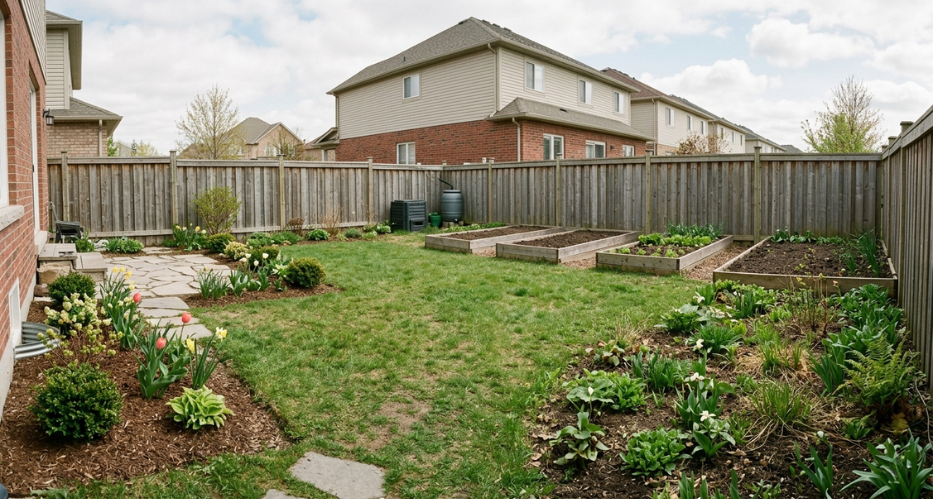
The 70/30 rule in gardening is one of the most practical and wildlife-friendly approaches Ontario homeowners are adopting today, and the benefits go far beyond the environment.
Think lower water bills, less maintenance, fewer pesticides, and a yard that genuinely comes alive with birds, butterflies, and pollinators every single season.
So have you ever wondered if there was a science-backed way to garden that helps nature, saves you money, and still looks beautiful?
Well, there is.
Entomologist Dr. Doug Tallamy developed the 70/30 rule, which simply means 70% of your garden should be native plants and the remaining 30% can be non-native ornamentals you love, as long as they are not invasive.
That said, ignoring this balance has real consequences.
Without native plants, local insects disappear, birds struggle to feed their young, and your garden ends up supporting almost nothing alive.
What makes it even more urgent is that Ontario’s Invasive Species Act means some plants already growing in your yard could put you on the wrong side of the law.
The good news is that making this change is very doable, especially with the right help. Custodia Garden Care Services in Ontario is here to guide you every step of the way.
You can explore our Home Management Plan for personalized services at incredible discounts.
Book a free consultation online or call 1-833-410-4357.
What Does the 70/30 Rule Actually Mean for Your Garden?
At its core, the 70/30 rule is less about strict percentages and more about shifting how you think about your outdoor space.
Think of your native plants as the foundation of your garden, the way wooden frames hold up a house, and your non-native favorites as the finishing touches that make it feel like yours.
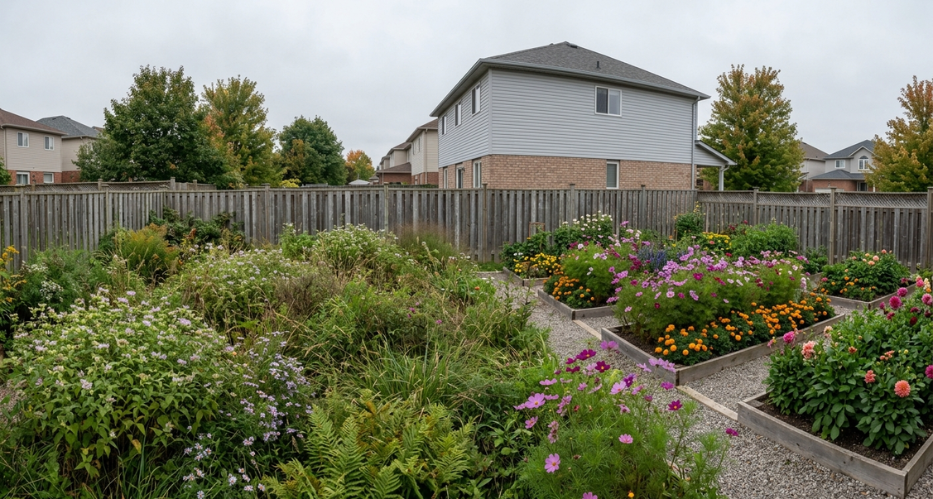
Here is what that actually looks like in a real Ontario yard:
- 70% Native Plants: These are the workhorses. They support local insects, pollinators, and birds that have depended on them for thousands of years.
- 30% Non-Native Ornamentals: This is your personal touch. Keep the flowers and shrubs you love, just make sure they are not invasive species.
- No Invasive Plants at All: Invasive species crowd out native plants, collapse local ecosystems, and can attract fines under Ontario law.
- Flexibility Over Perfection: You do not have to overhaul everything overnight. Small, intentional swaps over one or two seasons add up quickly.
The beauty of this rule is that it works for any yard size, any budget, and any experience level.
Why Do 70% of Your Plants Need to Be Native in Ontario?
The answer comes down to one simple truth.
Native plants and local wildlife evolved together over thousands of years, and they genuinely need each other to survive. But here is what most Ontario homeowners do not realize.
Choosing native plants is not just good for wildlife, it is one of the smartest and most practical gardening decisions you can make for your home and your wallet.
Native plants are naturally adapted to Ontario’s climate, which means they require far less watering, little to no fertilizer, and fewer pesticides once they are established.
For busy families and seniors, that translates directly into less time in the garden and more money staying in your pocket.
Here is a quick look at why native plants are so critical for Ontario gardens specifically:
| Native Plant | Wildlife It Supports | Key Benefit for Ontario Homeowners |
|---|---|---|
| Oak Tree | 500+ caterpillar species | Boosts property value and provides natural shade |
| Willow | Butterflies, native bees | Manages moisture and reduces yard flooding |
| Birch | Moths, songbirds | Low maintenance and thrives in Ontario winters |
| Goldenrod | Bees, beetles, butterflies | Keeps pollinators active deep into fall |
| Wild Columbine | Hummingbirds, bumblebees | Early bloomer, requires almost zero upkeep |
| Black-eyed Susan | Native bees, goldfinches | Drought tolerant, perfect for low maintenance yards |
When your garden works with nature instead of against it, everything gets easier.
[Read: 6 Spring Gardening Tasks to Get Done in Your Garden in Canada]
What Plants Count as “Native” in Ontario, Canada?
A plant is considered native to Ontario if it grew here naturally before European settlement, without being introduced by humans.
That distinction matters more than most people think.
Many popular garden plants that look natural are actually non-native, and some are actively invasive.
A good rule of thumb is to look for plants that have co-existed with Ontario’s wildlife, soil, and climate for centuries.
Here are the top 10 native plants that work beautifully in Ontario homeowner gardens:
| Plant | Type | Why Ontario Homeowners Love It | Common Non-Native Lookalike to Avoid |
|---|---|---|---|
| Bur Oak | Tree | Iconic shade tree, supports 500+ insect species, boosts curb appeal | Norway Maple (invasive, crowds out native species) |
| White Birch | Tree | Stunning year-round, thrives in Ontario winters, low maintenance | European White Birch (non-native, pest prone) |
| Pussy Willow | Shrub | Early spring bloomer, manages wet soil, great for waterfront properties | Weeping Willow (non-native, aggressive roots) |
| Goldenrod | Perennial | Late season color, feeds pollinators deep into fall, drought tolerant | Yellow Loosestrife (invasive, chokes wetlands) |
| Wild Columbine | Perennial | Attracts hummingbirds, blooms early spring, virtually zero upkeep | Garden Columbine (hybrid, does not support local wildlife) |
| Black-eyed Susan | Perennial | Bright and cheerful, drought tolerant, perfect for busy homeowners | Rudbeckia Hybrids (cultivated, limited wildlife value) |
| Purple Coneflower | Perennial | Long blooming season, attracts bees and butterflies, very hardy | Echinacea Hybrids (bred for looks, reduced wildlife benefit) |
| Native Wild Ginger | Groundcover | Lush and low growing, great alternative to invasive groundcovers | Periwinkle (invasive, smothers native plants) |
| Swamp Milkweed | Perennial | Essential for monarch butterflies, thrives in Ontario’s moist areas | Tropical Milkweed (non-native, disrupts monarch migration) |
| Virginia Creeper | Vine | Beautiful fall color, covers fences naturally, supports many bird species | English Ivy (invasive, damages trees and structures) |
PS: When in doubt, resources like Ontario’s Native Plant Database or your local conservation authority can point you in the right direction.
What Can Go in the 30% and What Should You Avoid?
The 30% is where your personality gets to shine.
This is the space for the lilacs you grew up with, the tulips you plant every fall, or the daylilies that brighten your front yard every summer.
As long as they are not invasive, they are welcome here.
That said, there are some plants that look harmless but cause serious damage to Ontario’s ecosystem.
Here are the ones to avoid completely:
| Plant | Why It Is a Problem in Ontario |
|---|---|
| Burning Bush | Invasive, spreads aggressively into natural areas |
| Japanese Knotweed | Extremely invasive, damages foundations and structures |
| Garlic Mustard | Overtakes forest floors, kills native plant roots |
| Purple Loosestrife | Chokes wetlands, illegal to sell or plant in Ontario |
| Common Buckthorn | Spreads rapidly, shades out native understory plants |
The good news is that there are beautiful native alternatives for every single one of these plants, and our Garden Care experts in Ontario can help you make those swaps without losing the look and feel you love.
How Do You Start Applying the 70/30 Rule Without Redoing Your Whole Yard?
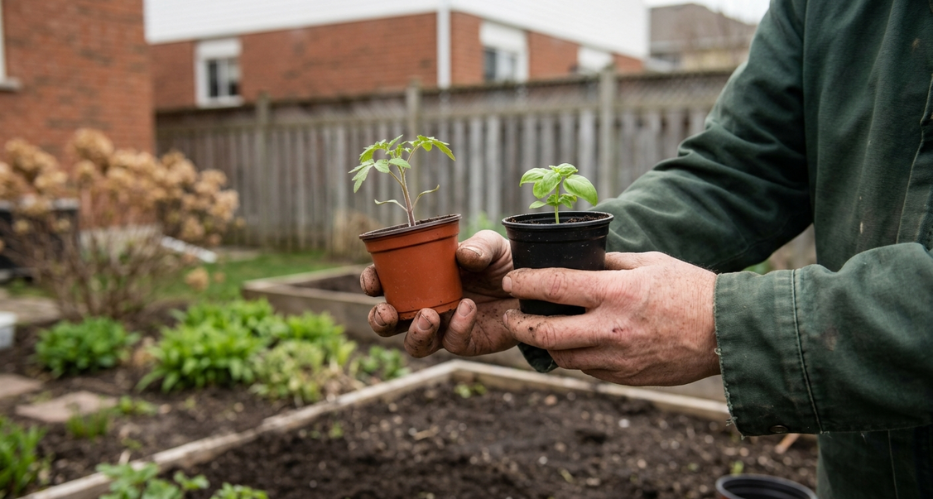
The biggest mistake homeowners make is thinking they have to overhaul everything at once. You do not.
The 70/30 rule is a journey, not a weekend project, and small intentional changes add up faster than you think.
Here are 5 expert tips to get you started:
1. Start with one swap
Replace one non-native shrub or lawn patch with a native keystone plant like an oak, birch, or goldenrod this season.
2. Use natives for structure
Plant native trees and shrubs as your garden’s backbone first, then fill in around them with your favorite non-native accents.
3. Target problem areas first
Got a soggy corner or a bare patch that nothing seems to grow in? Native plants are perfectly adapted to handle Ontario’s tricky soil conditions.
4. Go season by season
Aim to add two or three native plants per season rather than all at once. Your garden will transition naturally and beautifully over time.
5. Let Custodia do the heavy lifting
Our Garden Care Services in Ontario takes the guesswork out of the entire process. From native plant selection to full garden transitions, we handle it all so you do not have to.
Conclusion
The 70/30 rule is one of the simplest and smartest things an Ontario homeowner can do for their garden, their wallet, and their local environment.
The shift does not have to be overwhelming.
Custodia Garden Care Services in Ontario is ready to help you every step of the way.
Top 3 FAQs About Professional Native Garden Care in Ontario Answered
1. How much does it cost to hire a native garden designer or landscaper in Ontario?
Hiring a native garden designer in Ontario typically costs $500 to $2,000 for design plans, with hourly consulting rates between $75 and $150.
Basic installation starts around $1,500 and can exceed $20,000 for larger or more complex projects.
2. When is the best time of year to hire a gardener to start a native plant garden in Ontario?
Spring and early fall are the best times to start a native plant garden in Ontario.
3. Can a professional gardener in Ontario help me identify and remove invasive plants from my yard?
Yes, a professional gardener can safely identify and remove invasive plants in full legal compliance.