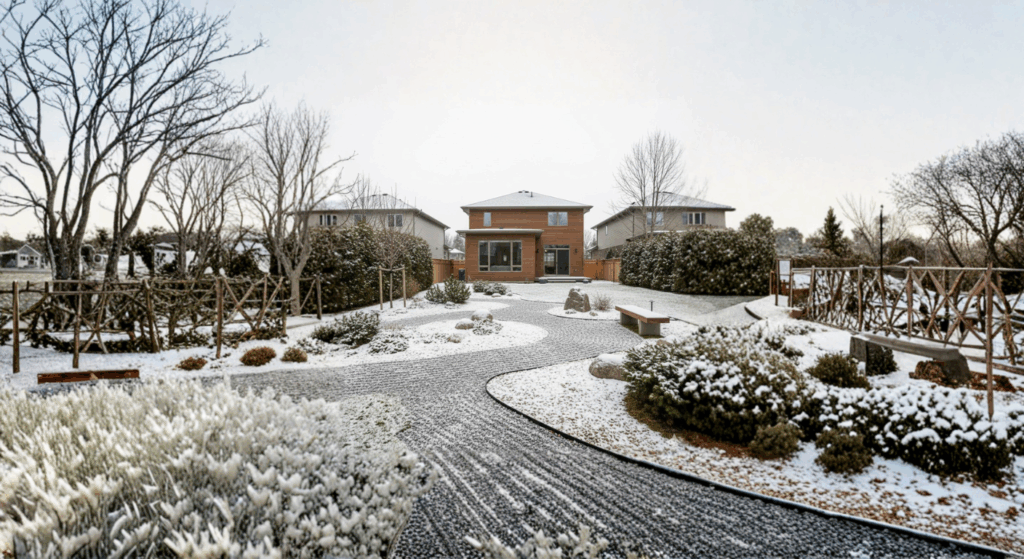
A Zen garden, traditionally known as a Japanese rock garden, is more than just decorative landscaping. It’s a minimalist garden design focused on meditation, reflection, and finding peace in simplicity.
These spaces originated in Japanese Buddhist temples centuries ago, where monks used raked gravel patterns and carefully placed stones to represent water, mountains, and natural landscapes.
The beauty lies in what you remove, not what you add. Every element serves a purpose, creating harmony between nature and mindfulness. Think of it as gardening for the soul rather than just the eyes.
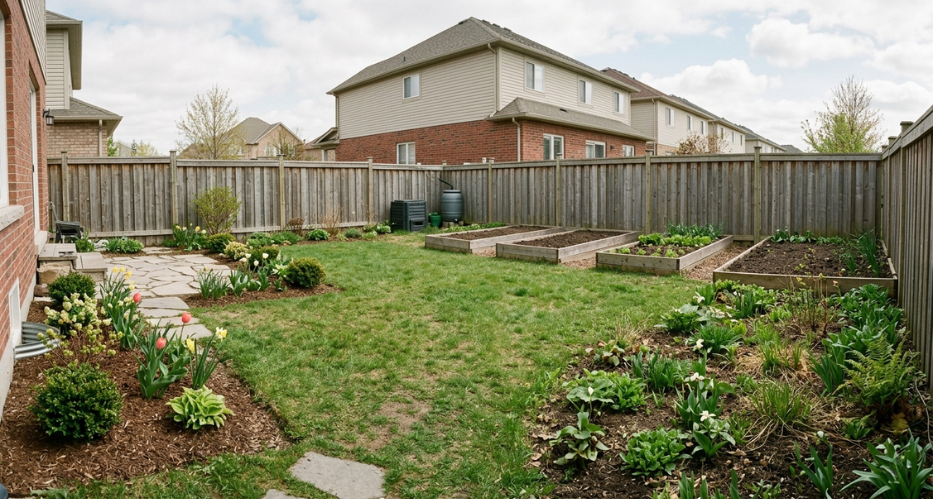
You won’t find flashy flower beds or manicured lawns here.
Instead, you’ll discover carefully arranged rocks symbolizing islands, gravel raked into wave patterns representing flowing water, and perhaps a single evergreen shrub standing as a focal point.
This meditation garden philosophy embraces imperfection and natural beauty, making it perfect for Canadians seeking low maintenance backyard ideas that still feel intentional and calming.
But how did this centuries-old tradition find its way to Canadian backyards?
How Zen Gardens Became Popular In Canada

Canadian homeowners are increasingly drawn to Zen gardens for their beauty, simplicity, and low maintenance, especially in urban spaces where yard space may be limited.
By adapting Japanese principles to our local climate, Zen gardens have become both practical and visually compelling.
Here are some reasons why Zen gardens are gaining popularity across Canada:
- Adaptation to harsh winters: Gravel, rocks, and hardy evergreens can withstand Ontario’s snow and frost, making the garden low-maintenance year-round.
- Minimalist lifestyle trend: Homeowners seek calm, uncluttered spaces that reflect mindful living.
- Urban backyard transformation: Small patios and balconies can host tabletop Zen gardens, offering a meditative retreat for families.
- Affordable and DIY-friendly: Even with a modest budget, Canadians can create Zen-inspired spaces using locally sourced stones, gravel, and moss.
- Seasonal beauty: Winter textures—snow-dusted rocks and frost-covered moss—create a unique aesthetic that’s both peaceful and engaging.
[Read: What Is The Most Common Mistake Of First Time Gardeners For Winter In Canada?]
How Is A Zen Garden Different From Traditional Canadian Gardens?
When you look at a traditional Canadian garden, you usually see lush lawns, colorful flowerbeds, and vegetable patches that burst with life in summer but demand constant mowing, watering, fertilizing, and seasonal cleanup.
A Zen garden in Ontario takes an entirely different approach.
It slows the world down. It replaces busyness with calm. It gives families a place to breathe, reconnect, and spend quiet, meaningful moments together even in winter.
And that’s exactly why more homeowners are searching for low-maintenance Japanese garden designs that feel peaceful all year long.
Here are 5 key reasons why a Zen garden stands in a category of its own:
- Minimalist design: Every rock, plant, and rake pattern is intentional, helping reduce visual clutter and quiet the mind—especially after long winter days.
- Asymmetry over perfection: Unlike neatly aligned flowerbeds, Zen gardens embrace natural imbalance to reflect the beauty of untouched Ontario landscapes.
- Raked gravel and sculptural stones: These replace grass, creating meditative patterns that mimic flowing water and still look stunning under fresh snow.
- Hardy evergreens and moss: These maintain structure and gentle color through harsh winters, making your backyard feel alive even in January.
- Mindful layout: Each corner is designed to invite reflection, making it a perfect space for seniors, families, or anyone needing a moment of calm.
With this unique design philosophy in mind, let’s explore the core principles that shape a winter-ready Zen garden in Ontario.
What Are The 7 Principles Of A Zen Garden In Canada During Winter?
- Simplicity (Kanso)
Focus on “less but better.” When snow falls, it naturally softens the space, so choosing fewer elements—like one strong boulder or a single evergreen—helps your garden feel calming rather than crowded.
- Naturalness (Shizen)
Use materials that look like they belong in nature. Rocks placed as if they tumbled into place, cedar that survives cold winds, and gravel that blends into the landscape make your garden feel effortless.
- Asymmetry (Fukinsei)
Nature is never perfectly even. By using odd numbers and uneven spacing, your garden feels more real, more organic, and much more soothing to the eye—especially when snow highlights those gentle imperfections.
- Subtle Elegance (Shibumi)
Choose beauty that whispers instead of shouts. A light dusting of snow on a mossy stone or the shadow of a branch across fresh gravel can be more stunning than bright flowers in summer.
- Tranquility (Seijaku)
Design with peace in mind. Raked gravel patterns, the soft crunch of snow underfoot, or the quiet of an early winter morning can become grounding moments for families seeking calm.
- Balance (Ma / Miegakure)
Let open space breathe. The empty areas are just as important as the stones themselves because they give your eyes and mind room to rest—something we all need during busy winter months.
- Seasonal Awareness (Shiki)
Instead of fighting winter, work with it. Plants like juniper, pine, and winter-hardy moss keep color and structure, while your gravel patterns reveal new beauty when lightly covered by snow.
Top 5 Benefits Of A Zen Garden In Winter (Especially For Seniors)
Here are the top benefits every homeowner should know:
- Mental clarity & stress relief
A quiet, uncluttered winter landscape gives your mind room to breathe. Just looking at the snow resting on stones or evergreens can melt away tension and make your home feel more peaceful.
- Mindfulness made easy
You don’t need to sit cross-legged or meditate formally. A Zen garden naturally slows your thoughts as you notice textures, shadows, and gentle winter sounds—perfect for seniors who want calm without effort.
- Low-maintenance design
No mowing, watering, or heavy yard work. The garden stays beautiful with almost no physical strain, making it ideal for older adults or anyone wanting a simpler outdoor space.
- Backyard beauty that adds value
Minimalist winter-friendly landscaping boosts curb appeal and makes your home feel more welcoming and thoughtful.
- Enjoyment all year long
Instead of a yard that “disappears” in winter, you get a soothing space that looks meaningful and inviting every single day.
Here Are 4 Practical and Budget-Friendly Zen Garden Ideas With Low Maintenance You Can Consider
These low-cost Japanese garden ideas work beautifully:
- Tabletop Zen gardens
A shallow tray, sand, and a few stones create a small mindfulness ritual. Families can take turns raking new patterns, which reduces stress and strengthens bonding during winter evenings.
- Rock arrangements and gravel patterns
Locally sourced river stones and affordable gravel let you design beautiful raked patterns. These minimal features look stunning under snow, adding year-round peace without heavy upkeep.
- Minimalist moss and evergreens
Transplanting moss and choosing one or two dwarf evergreens keeps costs low and creates soft winter textures. The simplicity encourages quiet reflection for seniors and families.
- Winter-friendly stepping paths
Using existing pavers or simple concrete stones gives you pathways that stay visible under snow. And since the raked gravel becomes the focal point, you can keep your spending low while still achieving a peaceful, Japanese-inspired outdoor space
Do You Need Help Setting Up a Zen Garden in Ontario, or Scheduling Inspection and Maintenance?
Creating a winter-ready Zen garden can be simple and rewarding, but it takes careful planning and seasonal upkeep to maintain its peaceful charm.
With professional help, you can enjoy a serene, low-maintenance outdoor space that thrives even in Ontario’s harsh winters.
Our Home Management Plans provide full seasonal services, including landscaping, yard and lawn care, and winter preparation.
Call 1-833-410-4357 or Book Online today for your free consultation and quote, and transform your backyard into a calm, beautiful, and mindful winter retreat.