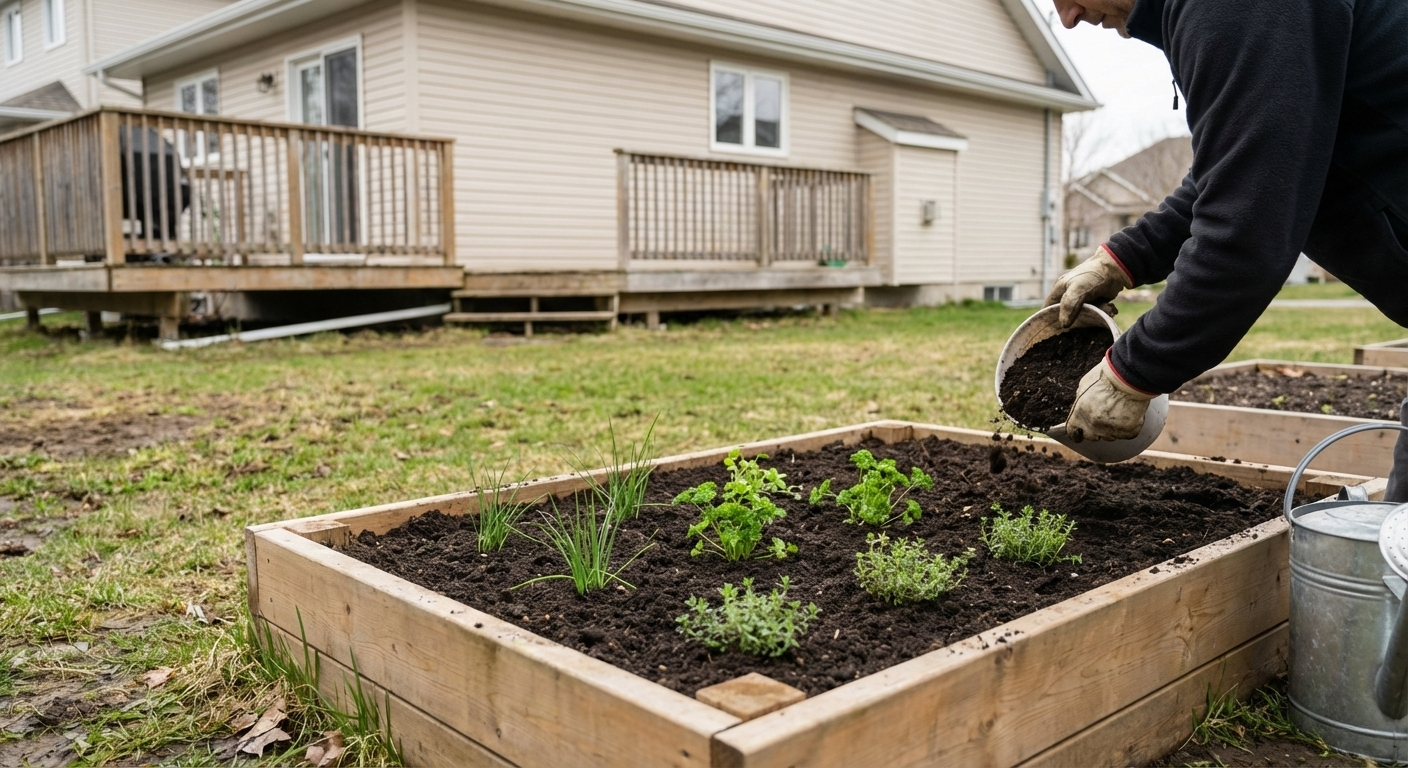
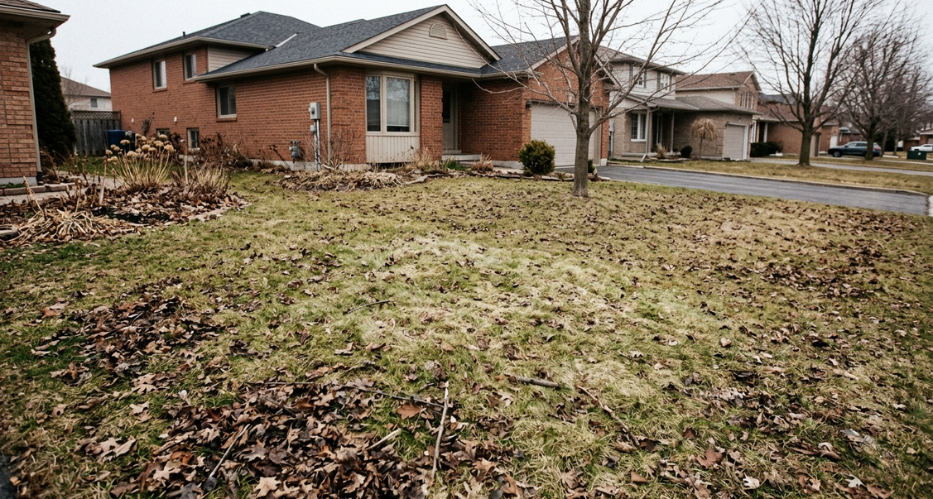
If you’ve ever stepped outside after a long Ontario winter and stared at your yard wondering where to begin, you are not alone.
The grass looks rough. Dead leaves are everywhere. And the garden beds look like they gave up sometime around February.
Here is the thing though.
A neglected yard is not just an eyesore.
Overgrown grass and rotting debris attract ticks, mosquitoes, and rodents that carry Lyme disease and West Nile virus.
Damp matted leaves also trigger mold growth and worsen allergies and asthma, especially for kids and seniors.
And across Ontario municipalities like Toronto, Ottawa, and Mississauga, property standards bylaws require yards to be kept clean and hazard free.
Ignoring it long enough can mean a fine or a city cleanup bill sent straight to you.
The good news is five (5) simple rules can take all that stress off your plate.
And if you would rather leave it to the professionals, Custodia yard cleanup services in Ontario are ready to help.
Explore our home management plan with incredible discounts for seniors, book a free consultation online, or call 1-833-410-4357.
Why Is Timing Everything for Spring Yard Cleanup in Ontario?
Rushing your spring cleanup is one of the most common mistakes Ontario homeowners make. The ground needs time to fully thaw and stabilize before you touch it.
Here is why timing matters so much:
- Soil compaction is real. Walking on soggy frozen ground crushes air pockets that grass roots desperately need to breathe and grow.
- Temperatures must hit 5 to 10 degrees Celsius. Working below this threshold does more harm than good to your lawn.
- Overwintering insects need time. Native bees and pollinators shelter in leaves and stems and need warmth before they emerge safely.
- Thaw patterns vary across Ontario. Southern Ontario thaws weeks earlier than Northern Ontario so your neighbour’s schedule may not match yours.
- Wet soil tears easily. Raking or aerating waterlogged ground pulls up healthy grass roots along with the debris you are trying to remove.
How Do You Clear Lawn Debris and Thatch Without Damaging Your Grass?
Clearing your lawn after winter does not have to be complicated. Three practical steps get it done right every time.
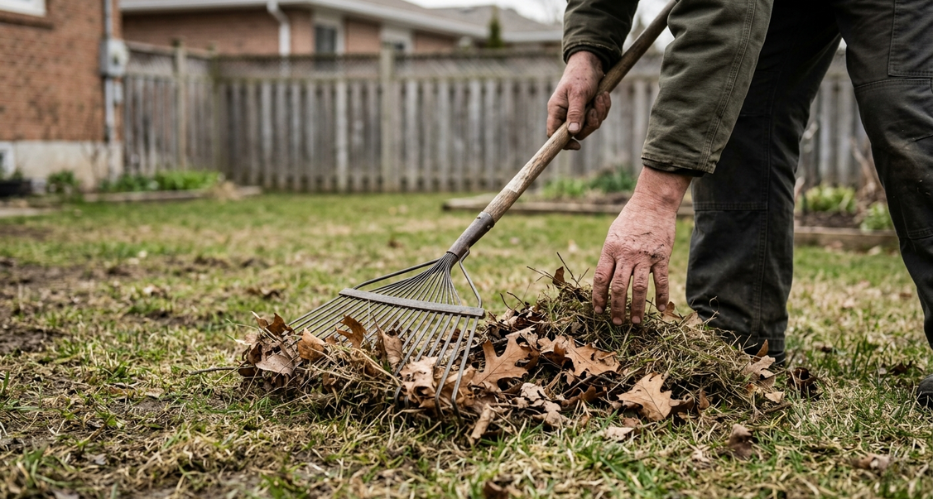
Step 1: Start with a light rake.
Gently rake out matted leaves, twigs, and dead grass without tearing up healthy roots underneath.
Step 2: Check your thatch layer.
If thatch is thicker than half an inch, use a power rake to carefully dethatch without aggressive tearing.
Step 3: Bag and dispose of debris properly.
Most Ontario municipalities offer green bin or yard waste collection in spring so use it.
Should You Cut Back Perennials and Shrubs Right Away in Spring?
Most Ontario homeowners grab the pruning shears the moment spring arrives. That is actually one of the biggest mistakes you can make.
Cutting back too early destroys shelter for native bees and pollinators still emerging from hollow stems.
Here is a simple guide to help you prune at the right time:
| Prune Early in Spring | Wait Until After Blooming |
|---|---|
| Summer flowering shrubs | Spring flowering shrubs like lilacs |
| Ornamental grasses showing new growth | Forsythia and cherry trees |
| Dead or damaged winter branches | Rhododendrons and azaleas |
| Climbing roses | Magnolias |
NB: Leave perennial stems at least 12 to 15 inches tall until temperatures are consistently warm. Native bees nest inside those stems and cutting too early wipes out an entire colony overnight.
What Is the Best Way to Aerate and Mulch Garden Beds in Ontario Spring?
After a long Ontario winter, your soil is compacted, exhausted, and desperate for air and nutrients.
Aeration and mulching are two of the most impactful things you can do for your yard in spring.
They work together to restore soil health, retain moisture, and keep weeds from taking over before summer even arrives.
| Task | How To Do It | Key Tip |
|---|---|---|
| Aeration | Use a core aerator on high traffic lawn areas | Best done when soil is moist but not waterlogged |
| Mulching | Apply 2 to 3 inches of organic mulch to garden beds | Keep mulch 2 to 3 inches away from tree trunks |
| Compost top dressing | Spread a thin layer of compost over lawn after aerating | Improves soil structure and feeds grass naturally |
| Mulch material choice | Use shredded bark, wood chips, or leaf compost | Avoid dyed or treated mulch near vegetable gardens |
How Do You Overseed and Fertilize a Lawn Sustainably After a Canadian Winter?
Winter in Ontario is brutal on grass.
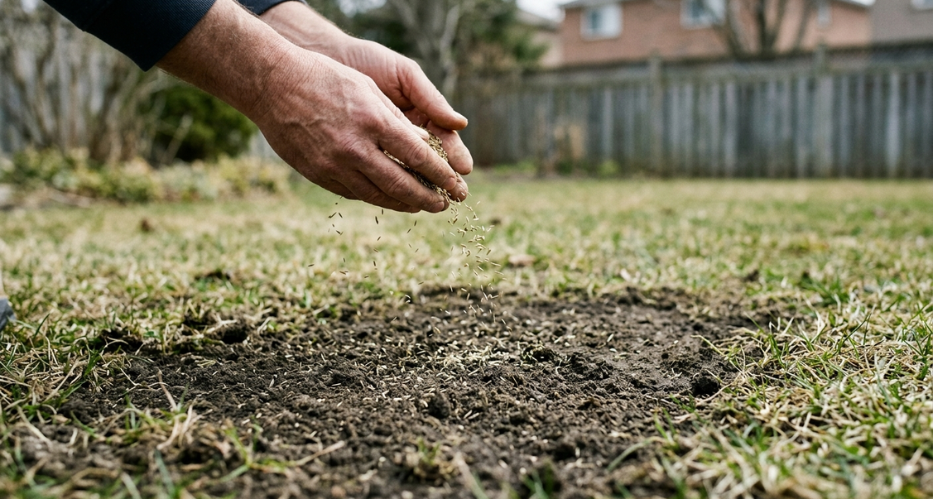
By the time spring arrives, most lawns have bare patches, thin spots, and areas where the grass simply did not survive the freeze.
The good news is that overseeding and fertilizing early gives your lawn a real fighting chance before weeds move in and take over those vulnerable spots permanently.
Here is what to focus on:
- Identify bare patches first. Walk your yard carefully and mark every thin or dead spot before you do anything else.
- Overseed early for best results. Early spring seeding gives new grass time to establish before summer heat and drought arrive.
- Water consistently after seeding. New grass seed needs steady moisture for at least two to three weeks to germinate properly.
- Choose the right grass seed. Match your seed to Ontario’s climate and your yard’s sun and shade conditions carefully.
| Fertilizer Type | Best For | Ontario Tip |
|---|---|---|
| Slow release nitrogen | General lawn feeding after winter | Feeds grass gradually without burning new growth |
| Natural compost | Thin or bare patch recovery | Improves soil structure while feeding grass roots |
| Phosphorus starter fertilizer | Newly overseeded areas | Encourages strong root development in fresh seed |
| Balanced NPK fertilizer | Overall spring lawn recovery | Apply only after grass has actively started growing |
While you’re at it, avoid heavy chemical fertilizers early in spring.
They push rapid weak growth that leaves your lawn more vulnerable to disease and drought later in the season.
[Read: What Is The Most Common Mistake Seen When Treating Lawns In Canada?]
What Extra Spring Yard Tasks Are Often Overlooked in Ontario?
Most homeowners finish the big five rules and call it done.
But these small tasks make a big difference:
- Flush out road salt and sand residue. Salt buildup near driveways damages soil pH and kills grass roots slowly.
- Test your irrigation system early. Winter freezes crack pipes and heads so check everything before the dry season hits.
- Inspect trees for storm damage. Hanging or split branches from winter storms are a serious safety hazard for your family.
Conclusion
Spring yard cleanup in Ontario does not have to feel overwhelming.
Follow these five rules and your lawn, soil, and garden beds will recover faster and stronger every single year.
Ready to skip the hard work entirely?
Our professional yard cleanup services in Ontario are just one call away at 1-833-410-4357.
Your Top Spring Yard Cleanup Questions Answered
Q1: How much does professional spring yard cleanup cost in Ontario?
Most Ontario homeowners pay between $150 and $600+. Custodia offers competitive transparent pricing for every yard size.
Q2: How long does a full spring yard cleanup take for an average Ontario home?
Typically three to five hours. Custodia’s trained teams work efficiently to finish faster without cutting corners.
Q3: What should I ask a lawn care company before hiring them for spring cleanup in Ontario?
Ask about insurance, experience, and what is included. Custodia provides clear service details upfront before any commitment.
Q4: Do lawn care companies in Ontario handle both front and backyard spring cleanup in one visit?
Yes, most do. Custodia handles front and backyard cleanup together in a single professional visit.
Q5: Is spring yard cleanup worth it if I have a small yard in Ontario?
Absolutely yes. Even small yards face compaction, pests, and bylaw risks. Custodia handles yards of every size.