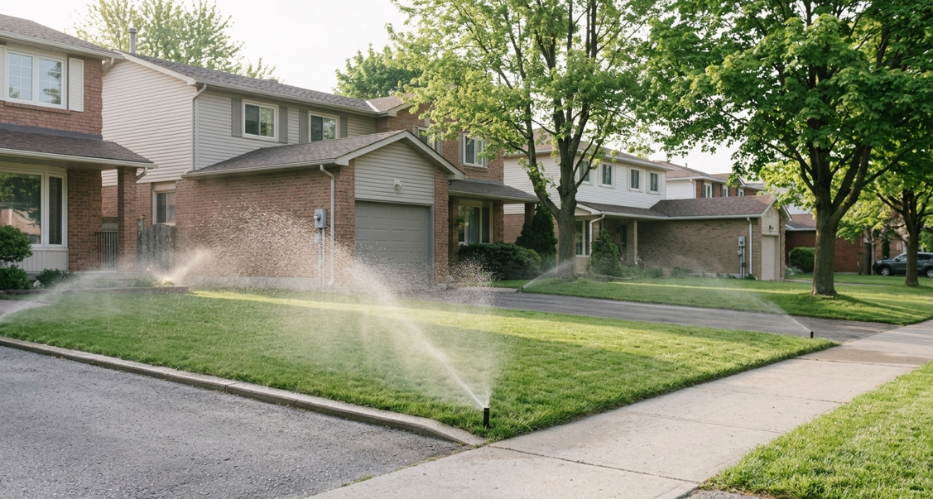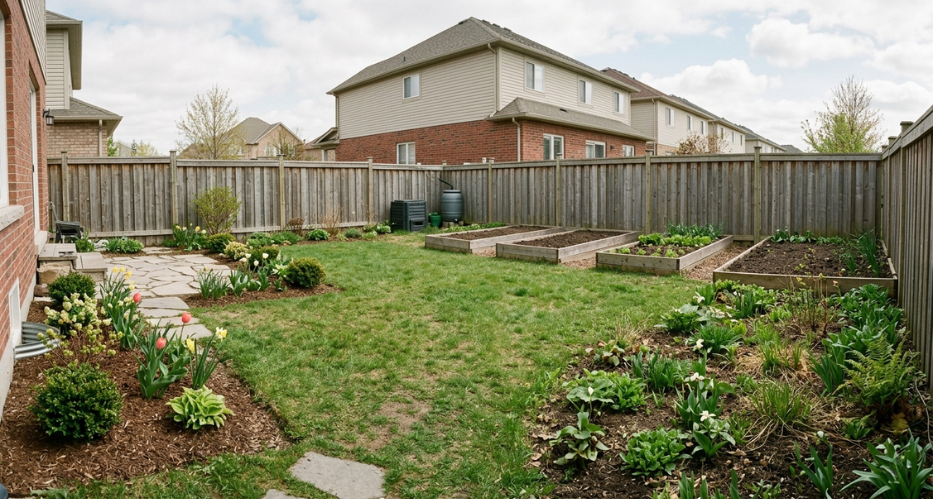

After a long Canadian winter, preparing your garden for spring is essential to protect plants, soil, and your property.
Frost, heavy snow, and accumulated leaf litter can damage roots, compact soil, and create hidden spots for pests and fungal growth. Left unchecked, minor winter damage can quickly escalate into costly problems.
A timely, science-backed approach ensures cleaning is done safely, supporting healthy plant growth and protecting emerging pollinators like bees and butterflies.
Proper techniques improve soil structure, enhance drainage, and prepare garden beds for vibrant new growth. In Ontario, varying snowmelt and frost patterns make timing critical, which is why professional guidance can make all the difference.
With Custodia’s seasonal Home Management Plan in Ontario, garden cleanup is handled efficiently and stress-free, giving you a healthy, thriving garden ready for the spring growing season.
When Should I Start Spring Garden Cleaning In Ontario, Canada?
Knowing when to start spring garden cleaning in Ontario is crucial for plant health, soil integrity, and pollinator safety.
Working too early can compact frozen or wet soil, damage roots, and disturb emerging insects like bees and butterflies that play a key role in your garden’s ecosystem.
1. Check soil temperature
Wait until the top few inches are consistently above 5–10°C and no frost is expected.
2. Observe plant dormancy
Shrubs and perennials should show early signs of bud swelling or green shoots, indicating they are ready to recover from cleanup activities.
3. Microclimates matter
Areas shaded by trees or near structures can retain frost longer, so stagger cleanup accordingly. In most Ontario gardens, the ideal window is typically late March through mid-May, after snow has melted and the ground is firm.
Planning during this period maximizes plant recovery, protects pollinators, and prevents soil damage.
How Do I Know If My Garden Needs Spring Cleaning In Canada?
After a long winter, gardens show clear warning signs that cleanup is overdue. These indicators point to hidden damage, pest risk, and poor growing conditions.
1. Excess winter leaf litter or matted grass
Trapped moisture under debris suffocates soil, delays warming, and increases fungal disease risk around emerging plants.
2. Signs of fungal growth or mold on soil or plant bases
White or gray mold signals poor airflow and moisture imbalance that can spread quickly in cool spring conditions.
3. Damaged branches, stems, or dead perennials
Freeze damage weakens plant structure and invites pests and disease if not removed early.
4. Water pooling in garden beds or around plant roots
Pooling water indicates compacted soil or blocked drainage, which leads to root rot and nutrient loss.
5. Early pest activity, such as rodents, aphids, or overwintering insects
Pests emerge early when debris offers shelter, increasing infestation risks before plants fully grow.
6. Soil compaction or crusting from freeze-thaw cycles
Compacted soil restricts oxygen, slows root growth, and reduces spring nutrient uptake.
7. Winter-damaged mulch or displaced topsoil layers
Broken mulch exposes roots to temperature swings and allows weeds to establish faster.
When several of these signs appear together, timely spring garden cleaning becomes essential to protect plant health and long-term garden performance.
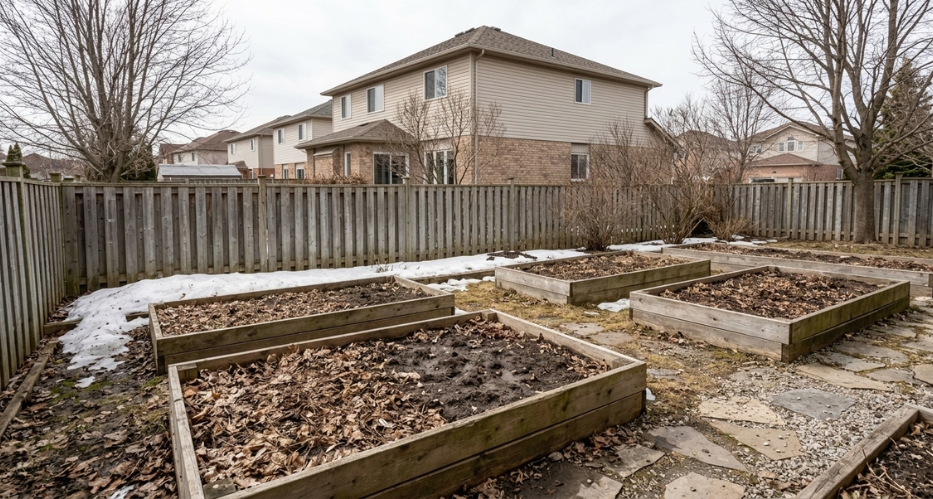
What Is The Safest And Most Effective Way To Clean My Garden In Spring?
Follow these professional steps to clean your garden efficiently while protecting soil health, plant recovery, and local wildlife.
1. Remove debris carefully, keeping beneficial insects intact
Lift leaves and stems gently to avoid disturbing overwintering pollinators and soil organisms essential for spring balance.
2. Prune dead or damaged branches
Target weak growth to redirect energy into healthy buds and prevent disease spread.
[Read:Do I Need Permission To Cut Down A Tree On My Property In Ontario?]
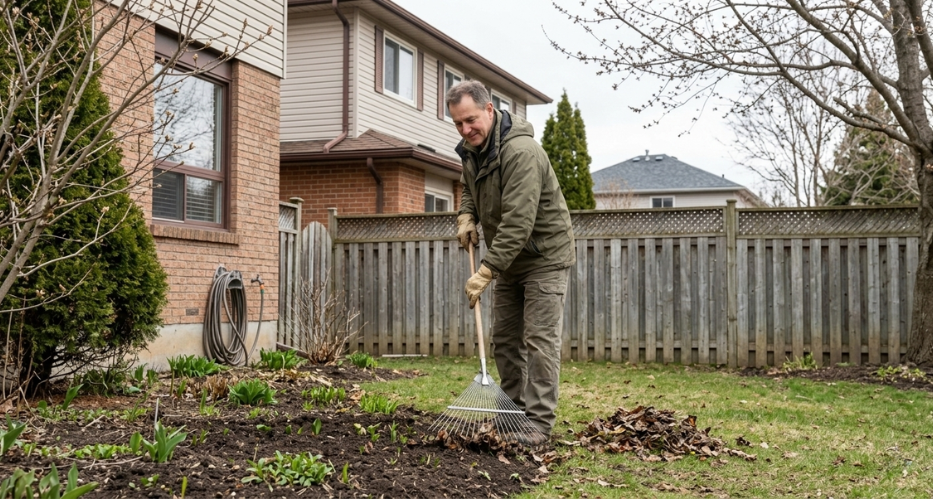
3. Rake lightly to loosen matted soil without disturbing microorganisms
Gentle raking improves airflow and warmth while preserving microbial networks that support root development.
4. Apply compost or soil amendments for nutrient recovery
Organic compost restores nutrients lost during winter and improves soil structure for new growth.
5. Check irrigation, trellises, and structures for repair
Winter frost can loosen fittings and supports, affecting water efficiency and plant stability.
6. Mulch beds after cleaning to conserve moisture and prevent early weeds
Fresh mulch regulates soil temperature and blocks sunlight that triggers early weed growth.
Pro Tip: Install eco-friendly pest barriers or garden guards
Physical barriers reduce pest damage without harming beneficial insects or contaminating soil.
What Are The Most Common Spring Garden Cleaning Mistakes In Canada?
Many spring gardens fail not because of winter, but because of rushed cleanup. These mistakes can damage plants for the whole year, sometimes beyond repair.
1. Working the soil while it is still wet
This is one of the worst mistakes. Wet soil gets crushed underfoot or by tools. Air pockets collapse. Roots cannot breathe. Plants grow with weak, shallow roots and struggle all season. In heavy Canadian soils, compaction can last for years.
2. Cutting back plants too early or too aggressively
Healthy branches often get mistaken for dead ones. When they are removed, plants lose stored energy. Flower buds are cut off. Recovery slows down. In late frost zones, this mistake can fully kill stressed shrubs and perennials.
3. Ignoring early signs of pests and disease
Small problems spread fast in spring. Aphids multiply in days. Fungal spores move through damp air and soil. Rodents chew roots before growth starts. What looks minor in April can destroy beds by June.
4. Removing every leaf and stem from the garden
A “perfectly clean” garden can be a dead garden. Leaf litter protects soil and shelters beneficial insects. When it is all removed, pollinators disappear. Natural pest control is lost. Harmful insects return stronger.
5. Leaving soil bare without mulch or compost
Exposed soil dries out quickly and washes away in spring rain. Nutrients are lost before plants can use them. Weeds move in fast. Plants struggle because the soil cannot hold moisture or warmth.
These mistakes do not just slow growth. They weaken the entire garden system. Fixing them early saves time, money, and plants later in the season.
Ready To Avoid Costly Spring Garden Mistakes?
Want even more value? Check out our Home Management Plan for personalized offers and amazing discounts designed for your home.
Spring Garden Cleaning Timeline: What to Do, When to Do It, and Why It Matters
This simple schedule (shown in the table below) helps protect your soil, plants, and pollinators while setting your garden up for strong growth.
| Garden Cleaning Task | Best Timing in Canada | How Often | What to Expect |
|---|---|---|---|
| Light debris removal | Late March to early April | Once | Cleaner beds without disturbing insects still emerging from winter shelter |
| Soil inspection and testing | Early April | Once | Better understanding of soil health, moisture levels, and nutrient needs |
| Pruning dead or damaged plants | Early to mid-April | Once | Healthier plant structure and improved spring regrowth |
| Gentle raking and bed loosening | Mid-April | Once | Improved airflow and water absorption without harming soil life |
| Compost or soil amendment application | Mid to late April | Once | Stronger soil fertility and better root development |
| Irrigation system check | Late April | Once | Even watering and early detection of leaks or blockages |
| Mulching garden beds | Late April to early May | Once | Moisture retention, weed prevention, and soil temperature control |
| Planting cool-season flowers and vegetables | Late April to mid-May | Seasonal | Faster establishment and reduced transplant shock |
| Ongoing garden inspection | March through May | Weekly | Early detection of pests, disease, or weather-related stress |
Pro Tip: Every garden is different.
What works for one yard may harm another. For safe results, hire experts like Custodia for professional advice and personalized garden cleaning and yard maintenance.
Risks of Lawn and Garden Diseases From Delayed Spring Cleaning in Canada
Delaying spring cleaning allows moisture, debris, and pathogens to build up, creating perfect conditions for disease to spread.
| Disease or Issue | Main Cause in Spring | Risk to Lawn and Garden | What Happens if Ignored |
|---|---|---|---|
| Snow mold | Wet leaf litter and slow snowmelt | Patchy, matted grass and thinning lawns | Grass dies back and requires reseeding |
| Root rot | Poor drainage and compacted soil | Weak roots and stunted plant growth | Plants collapse during early summer heat |
| Fungal leaf spots | Trapped moisture and poor airflow | Spotted, yellowing leaves | Disease spreads to healthy plants |
| Powdery mildew | Cool temperatures and overcrowding | White film on leaves and stems | Reduces photosynthesis and plant strength |
| Crown rot | Debris buildup around plant bases | Sudden plant wilting and decay | Perennials fail to return |
| Moss invasion | Shaded, damp, untreated areas | Lawn thinning and uneven growth | Grass struggles to reestablish itself |
| Pest-borne diseases | Undisturbed overwintering insects | Chewed leaves and disease transfer | Infestations multiply quickly |
What Ontario Homeowners Need to Know About Spring Yard and Garden Cleaning
1. When should I schedule spring yard and garden cleanup in Ontario?
Most properties are ready between late March and mid-May. Timing depends on snowmelt, soil dryness, and local temperatures.
2. Is professional spring garden cleaning really necessary?
Yes. Experts prevent soil damage, spot early disease, protect pollinators, and apply the right cleaning methods safely.
3. What’s included in a full spring yard and garden cleanup?
It usually covers debris removal, light pruning, soil care, mulching, lawn prep, and early pest or disease checks.
Final Thoughts
Spring yard and garden cleanup sets the tone for the entire growing season. Done right, it protects plants, improves curb appeal, and prevents costly issues later.
For expert guidance and personalized care, book your spring yard and garden cleanup online or call Custodia at 1-833-410-4357 today.