What height should new grass be cut at? Does the type of grass affect when it should be mowed? How does mowing height affect grass health? Should new grass be fertilized before or after the first mow?
If you are a homeowner or senior living in Oakville, Ontario, these questions have probably crossed your mind. Keeping your property in good shape and pristine condition is crucial, but managing it all can be overwhelming. To ensure your home stays safe and beautiful through every season, it is essential to stay on top of:
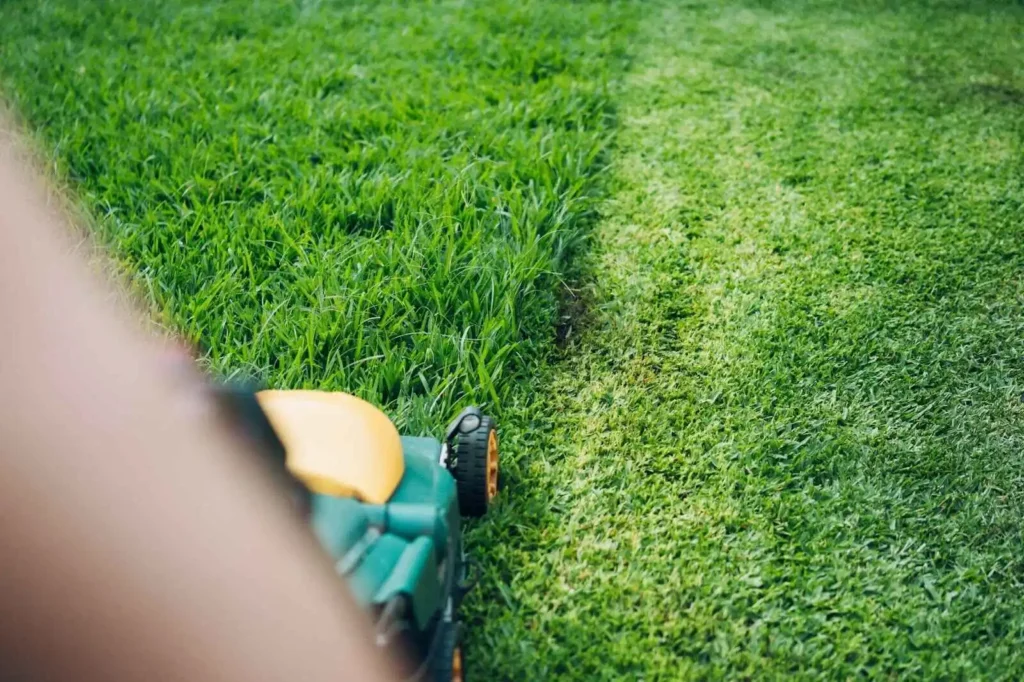
Lawn Maintenance: Keeping your grass healthy and at the correct height to boost curb appeal.
Gutter Cleaning: Preventing water damage and foundation issues by clearing seasonal debris.
Window Cleaning: Enhancing natural light and maintaining the exterior aesthetic of your home.
Snow Removal: Ensuring safe, clear walkways and driveways during the harsh Ontario winters.
Having these services managed professionally allows you to enjoy a well-maintained home without the physical strain of DIY upkeep.
A beautiful lawn is a great investment, much like your deck, fence and patios, but it requires regular maintenance.
You need to know the type of grass you have, the right time to cut it, and the best mowing height. Understanding how long new grass should grow before cutting is essential.
A healthy lawn offers many benefits, especially for seniors.
It provides a serene and beautiful environment to relax and enjoy nature.
Spending time outdoors on a well-maintained lawn can improve mood, reduce stress, and promote physical activity.
Regular lawn care also helps prevent pests and diseases, creating a safer environment. Additionally, a lush lawn enhances curb appeal, which can boost property value.

Having these answers at your fingertips will give you a clear understanding of how to enhance your landscape, improve yard aesthetics, and boost curb appeal.
Additionally, you’ll know what signs to look for if things aren’t right with your lawn.
In this lawn care guide for seniors in Oakville, we will share expert tips on the best lawn care methods.
You’ll learn everything you need to know about new grass mowing height and its impact on lawn health.
We will also provide tips on choosing the best lawn and yard maintenance company near you in Oakville.
Moreover, you’ll discover the benefits of consulting professional yard cleanup and lawn maintenance experts in Ontario, like Custodia.
Let’s dive in!
Importance of Proper Timing for the First Mow
Proper timing for the first mow of your new grass is crucial for several reasons.
Firstly, mowing too early can damage young grass, which is still establishing its roots. When grass is cut before it’s ready, it can be uprooted easily, leading to patchy growth.
Additionally, mowing too early can compact the soil, which restricts root development and affects the grass’s ability to absorb water and nutrients.
Secondly, waiting until the grass is the correct height ensures it is strong enough to withstand the mowing process.
New grass should ideally be allowed to grow to about 3-4 inches before the first mow.

This height allows the grass to develop a robust root system, which is essential for its overall health and longevity.
Furthermore, mowing at the right time encourages thicker and more even growth.
By removing the top portion of the grass blades, the plants are stimulated to grow more shoots and spread horizontally. This results in a denser and healthier lawn, which can better resist weeds and diseases.
So, what are the Benefits of Proper Timing for the First Mow?
- Prevents damage to young grass
- Ensures strong root development
- Promotes thicker and even growth
- Helps resist weeds and diseases
Struggling with yard and lawn maintenance in Oakville, Ontario?
Call us at 1-833-410-4357 or book your free home maintenance assessment online now!
Living outside Oakville, Ontario and seeking a professional yard and lawn maintenance company?
Click here to explore our service areas and discover Custodia’s exclusive home and property maintenance services near you.
Common Types of Grass in Oakville, Ontario, and Their Growth Patterns

Understanding the common types of grass in Oakville, Ontario, and their growth patterns is essential for maintaining a healthy lawn.
Different grasses have unique characteristics and care requirements, making it important to choose the right type for your lawn. Keeping a new lawn healthy requires consistency. Explore our Lawn Maintenance Services to ensure your Oakville property looks its best year-round.
- Kentucky Bluegrass
Kentucky Bluegrass is one of the most popular grass types in Oakville. It thrives in cooler climates and provides a lush, dense lawn.
This grass type has a slow growth pattern initially, but it spreads quickly once established.
Kentucky Bluegrass prefers full sun but can tolerate some shade. It has excellent cold tolerance, making it ideal for the Ontario climate.
Growth Pattern:
- Slow initial growth
- Rapid spreading through rhizomes
- Dense and lush appearance
- Perennial Ryegrass
Perennial Ryegrass is known for its rapid germination and quick establishment. It is often used in seed mixes to provide quick cover while other grass types establish.
This grass has a fine texture and a bright green color. It grows well in both full sun and partial shade, making it versatile for different lawn conditions in Oakville.
Growth Pattern:
- Fast germination and establishment
- Fine-textured blades
- Bright green color
- Tall Fescue
Tall Fescue is a durable grass type that can handle heavy foot traffic, making it suitable for active lawns.
It has deep roots, which help it tolerate drought conditions better than other cool-season grasses.
Tall Fescue is also resistant to diseases and pests. It performs well in both sun and shade, providing a versatile option for various lawn areas.
Growth Pattern:
- Deep rooting system
- Tolerant of heavy traffic
- Good drought resistance
- Fine Fescue
Fine Fescue includes several species like Creeping Red Fescue, Chewings Fescue, and Hard Fescue.
These grasses are known for their fine, needle-like blades and shade tolerance. Fine Fescues are often used in shaded areas of the lawn where other grasses struggle to grow.
They require less water and fertilizer, making them low-maintenance options.
Growth Pattern:
- Fine, needle-like blades
- Excellent shade tolerance
- Low water and fertilizer requirements
By choosing the right type of grass for your lawn in Oakville, you can ensure that it thrives under local conditions.
Understanding the growth patterns of these common grasses helps in planning your lawn care routine, leading to a healthier, more attractive yard. A great mow looks even better in a clean yard. Book a Yard Clean Up to remove debris and prepare your soil for healthy grass growth.
Factors Influencing When to Cut New Grass

What is the importance of reaching the right height before the first cut?
Grass height is crucial before making the first cut. Allowing new grass to grow to the appropriate height ensures it has established strong roots.
Cutting grass too early can damage these roots and hinder future growth.
Typically, new grass should be about 3-4 inches tall before the first mow.
This height provides enough leaf surface for photosynthesis, promoting healthy growth and a robust root system.
Why Height Matters:
- Supports strong root development
- Enhances photosynthesis
- Prevents stress on young grass
Recommended Height for First Mow for Various Grass Types
Each grass type has specific height recommendations for the first mow.
Generally, cool-season grasses like Kentucky Bluegrass and Fescues should be mowed when they reach 3-4 inches.
Warm-season grasses such as Bermuda and Zoysia should be cut at around 2-3 inches.
These guidelines help ensure the grass is healthy and strong enough to withstand mowing.
Standard Heights:
- Cool-season grasses: 3-4 inches
- Warm-season grasses: 2-3 inches
How To Measure Grass Height?

Accurately measuring grass height is essential for proper lawn care. To measure, simply use a ruler or a grass height gauge.
Place it vertically on the ground and measure the grass blades’ height. Ensure you take multiple measurements across different lawn areas to get an average height.
This method ensures that you mow at the right time and avoid damaging the grass.
Measurement Tips
- Use a ruler or grass height gauge
- Measure from the ground to the grass blade tips
- Take multiple measurements for accuracy
Importance of Waiting: Why It’s Crucial to Wait Until the Grass Reaches the Recommended Height
Waiting until the grass reaches the recommended height before the first mow is vital. Mowing too early can stress the grass, weakening its roots and overall health.
By allowing grass to grow taller, you ensure it has enough leaf surface for photosynthesis, which fuels growth.
This patience pays off with a stronger, healthier lawn that can better resist weeds and diseases.
Reasons to Wait:
- Prevents stress on young grass
- Ensures adequate photosynthesis
- Promotes stronger, healthier growth
By following these guidelines and understanding the factors influencing when to cut new grass, you can maintain a beautiful, healthy lawn in Oakville, Ontario.
FAQs on Mowing Newly Grown Grass
- When is the best time to mow new grass?
Ideally, mow in the early morning or late afternoon to avoid the heat of the day.
- How often should new grass be mowed?
After the first cut, mow regularly but never remove more than one-third of the grass blade height at a time.
- Can cutting new grass too soon harm it?
Yes, cutting too soon can uproot young grass and compact the soil, hindering root development.
- How long does it take for new grass to establish?
Generally, it takes about 6-8 weeks for new grass to establish sufficient root growth.
- Is it better to mulch or bag the clippings when mowing new grass?
Mulching is beneficial as it returns nutrients to the soil.
- What should you do after mowing new grass for the first time?
Water the lawn to help the grass recover from the stress of mowing.
- Does the type of grass affect when it should be mowed?
Yes, different grass types have different optimal mowing times and heights.
- What precautions should be taken when mowing new grass?
Use a high setting on the mower, keep blades sharp, and mow when the grass is dry.
Need help with yard and lawn maintenance in Oakville, Ontario?
Contact us today at 1-833-410-4357 or get a free quote from our experts.
Discover our comprehensive Home Management Plan tailored to meet your specific needs.
Whether it’s lawn care, landscaping, or home maintenance services, Custodia offers personalized solutions to enhance your home’s curb appeal and functionality.
Explore our pricing options and find the perfect plan that suits your budget and lifestyle.
Take the first step towards a well-maintained home environment with Custodia.
FAQs: Mowing New Grass in Oakville
1. How tall should new grass be before the first mow?
New grass should ideally reach a height of 3 to 4 inches (for cool-season grasses common in Oakville) before its first cut. This ensures the roots are strong enough to withstand the mowing process.
2. Why is timing so important for the first mow?
Mowing too early can uproot young, fragile grass and lead to patchy growth. It can also cause soil compaction, which restricts the development of a robust root system.
3. What are the common types of grass in Oakville?
Oakville lawns typically consist of Kentucky Bluegrass, Perennial Ryegrass, Tall Fescue, and Fine Fescue. Each has different growth speeds and textures.
4. How long does it generally take for new grass to establish?
In most cases, it takes about 6 to 8 weeks for new grass to establish a root system sufficient enough for regular maintenance.
5. At what height should I set my mower for the first cut?
For the first few mows, use a high setting on your mower. This avoids stressing the young grass and ensures you only remove the top portion of the blades.
6. What is the “One-Third Rule” in mowing?
Never remove more than one-third of the grass blade height at a single time. Removing more can “shock” the grass and hinder its ability to perform photosynthesis.
7. Should I mulch or bag the clippings from new grass?
Mulching is generally recommended as it returns valuable nutrients back into the soil, acting as a natural fertilizer for your developing lawn.
8. What is the best time of day to mow new grass?
The best time is early morning or late afternoon. Avoid mowing during the heat of the mid-day sun, which can stress young grass.
9. What should I do after the first mow is finished?
It is important to water the lawn immediately after mowing. This helps the grass recover from the stress of being cut and supports continued root growth.
10. Why should I hire a professional for my new lawn in Oakville?
Professional services like Custodia understand local soil conditions and the specific needs of different grass types. Hiring experts prevents common mistakes like “scalping” (cutting too short) and ensures your investment in a new lawn is protected.