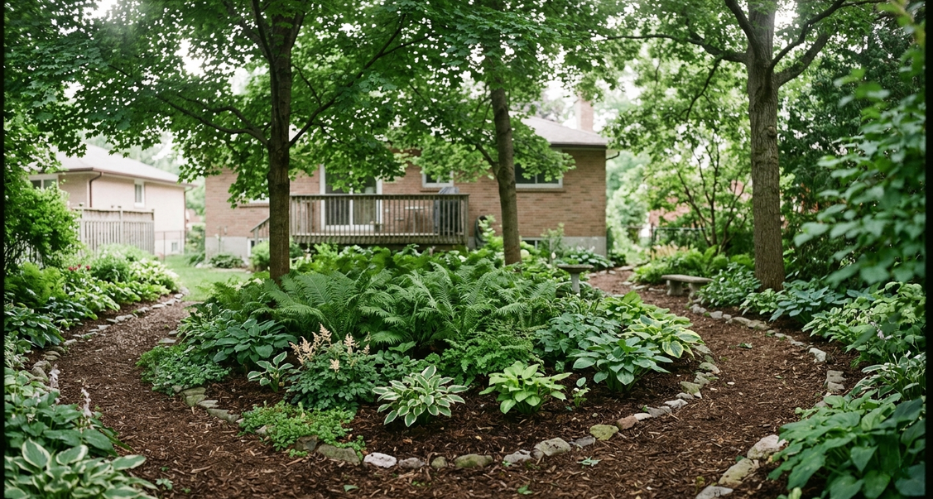
Deciduous fern care in Canada is one of those gardening topics that sounds complicated but really comes down to a few consistent habits done well.
If you have ever watched a fern go from bare soil in early spring to a lush, graceful canopy by summer, you already know how rewarding these plants can be.
Ferns are tough.
They have been around longer than most plants we grow today. But in Ontario’s climate, with its freezing winters and humid summers, they do need some thoughtful attention to truly thrive.
Whether you are a seasoned gardener or just getting started with a shady corner of your yard, this guide walks you through everything you need to know, season by season.
And if you want expert hands helping with your outdoor space, Custodia Garden Maintenance Service is here for you.
You can also explore our home management plan, designed with incredible discounts for seniors in Ontario.
Book a free consultation online or call 1-833-410-4357 today.
What Is a Deciduous Fern and Which Types Grow Best in Ontario, Canada?
Not all ferns are the same.
Some stay green all year. Others die back completely in fall and return fresh every spring. Those are your deciduous ferns, and they are the ones that truly shine in Ontario gardens.
Think of them as seasonal performers.
They emerge slowly in spring, unfurl their fiddleheads, and build into full, lush growth through summer. Then they quietly fade and rest through winter. That cycle is completely normal and actually healthy.
What Does a Deciduous Fern Look Like Through the Seasons?
Here is a simple seasonal breakdown of what to expect from your deciduous fern through the year.
| Season | What Happens |
|---|---|
| Spring | Fiddleheads emerge from the soil, curled and fresh |
| Summer | Full fronds open into lush, arching growth |
| Fall | Fronds yellow and die back naturally |
| Winter | Plant goes dormant, crown rests underground |
Which Cold-Hardy Ferns Thrive in Ontario Gardens?
These three (3) deciduous ferns are well suited to Ontario’s climate and are widely recommended by experienced gardeners.
1. Ostrich Fern: A bold, tall variety that loves moist, shaded spots. It is one of the most cold-hardy ferns you can grow in Ontario.
2. Lady Fern: Delicate-looking but surprisingly tough. It adapts well to different soil types and handles Ontario winters without much fuss.
3. Sensitive Fern: Great for wetter areas and clay-heavy soils. It is low maintenance and dependable in zones 3 to 5.
Where Should You Plant a Deciduous Fern in a Canadian Garden?
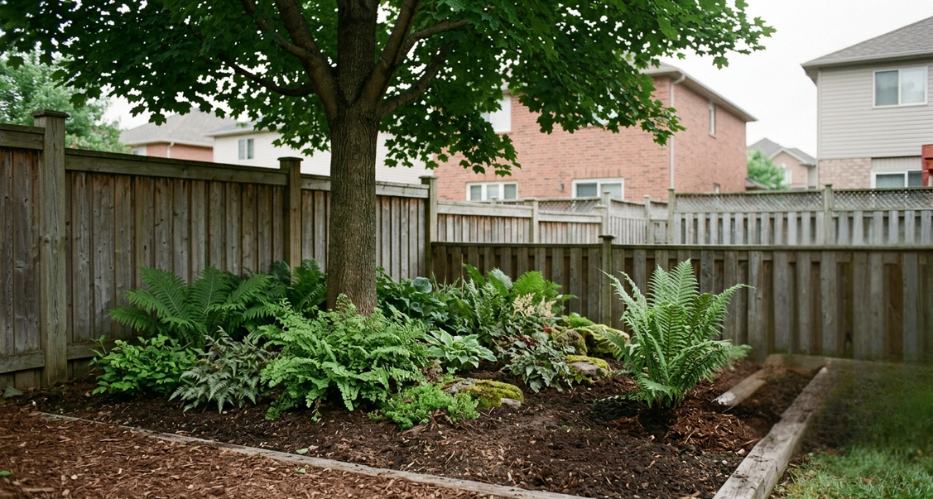
Location is everything with ferns.
Get this right and the rest of the care becomes much easier. Plant them in the wrong spot and even the toughest variety will struggle.
How Much Sun or Shade Do Deciduous Ferns Need in Ontario?
Ferns are shade lovers by nature.
[Read: What is the 70/30 rule in gardening in Canada?]
Here is a quick guide to help you find the right light conditions in your yard.
| Light Condition | Suitability for Ferns |
|---|---|
| Full shade | Excellent, ideal for most varieties |
| Partial shade | Very good, works well for Lady and Ostrich ferns |
| Morning sun only | Acceptable, keep soil consistently moist |
| Full sun | Not recommended, fronds will scorch quickly |
What Type of Soil Is Best for Healthy Fern Growth?
Good soil makes a real difference. These are the key soil qualities that help deciduous ferns thrive in Ontario gardens.
- Rich in organic matter: Ferns love soil packed with compost or leaf mold. It feeds roots slowly and holds moisture well through dry spells across Ontario summers.
- Slightly acidic pH: Aim for a pH between 5.5 and 6.5. This mirrors the forest floor conditions ferns naturally grow in and keeps nutrients available to roots.
- Well draining but consistently moist: Ferns need steady moisture but hate sitting in waterlogged soil. Good drainage prevents crown rot and keeps roots healthy long term.
- Loose and crumbly texture: Compacted soil blocks root development. Loosening the planting area before you put a fern in gives roots the room they need to spread.
- Top dressed with leaf mulch: A layer of shredded leaves on the soil surface mimics natural forest conditions. It regulates temperature and keeps moisture from evaporating too quickly.
Can You Grow Ferns in Clay Soil or Urban Yards in Ontario?
Yes, you can.
Clay soil is actually workable with the right preparation. Here is what experienced gardeners recommend for urban Ontario yards.
- Amend generously with compost
Mix large amounts of compost into clay soil before planting. This breaks up the dense texture and adds the organic richness ferns need to establish well.
- Raise the planting area slightly:
A gentle mound helps water drain away from the crown naturally. This simple step prevents rot in heavier soils common across Ontario urban gardens.
- Choose Sensitive Fern for clay
It is the most forgiving variety for dense or compacted conditions. Experienced gardeners often reach for this one first in challenging urban spots.
- Avoid low lying areas
Water pools in low spots after rain and stays too long around fern roots. Pick a location where water moves through rather than sits and settles.
- Add grit or perlite for drainage:
Mixing coarse grit into heavy clay improves drainage noticeably. It creates small air pockets in the soil that roots and beneficial organisms need to thrive.
- Mulch heavily after planting:
A thick mulch layer over clay soil moderates temperature swings and reduces surface compaction. It also feeds the soil slowly as it breaks down over time.
How Often Should You Water Deciduous Ferns in Canada?
Watering ferns is less about a fixed schedule and more about reading your soil and your season. In Ontario, rainfall patterns shift a lot between spring, summer, and fall, so your watering habits need to shift too.
Do You Water Ferns From the Top or Bottom?
Ferns prefer watering at the base rather than overhead.
Wet fronds sitting in humid Ontario summers invite fungal problems. Always direct water toward the soil and roots.
How Do You Keep Soil Consistently Moist During Dry Ontario Summers?
Here is a practical watering reference guide for deciduous ferns through the Ontario growing season.
| Condition | Watering Frequency | Extra Tips |
|---|---|---|
| Spring establishment | Every 2 to 3 days | Keep soil evenly moist while roots settle in |
| Hot dry summer | Every 1 to 2 days | Water early morning to reduce evaporation loss |
| Mild summer with rain | Every 4 to 5 days | Check soil moisture before watering each time |
| Rainy periods | Skip watering | Overwatering is just as harmful as drought stress |
| Early fall | Every 4 to 5 days | Reduce gradually as temperatures begin to cool down |
| Late fall pre dormancy | Minimal watering | Soil should be lightly moist but never waterlogged |
What Is the Best Fertilizer for Deciduous Ferns?
Ferns are not heavy feeders.
They do not need much to grow well, but the right fertilizer at the right time makes a noticeable difference in how full and healthy your fronds look through the season.
What Is a Natural Fertilizer for Ferns in Home Gardens?
What Does Epsom Salt Do for Ferns and Should You Use It?
Here is a clear comparison of fertilizer options for deciduous ferns in Ontario home gardens.
| Type of Fertilizer | Factor to Consider | Benefits |
|---|---|---|
| Compost | Apply in early spring before new growth emerges | Feeds soil biology, improves moisture retention, and releases nutrients slowly all season |
| Balanced liquid fertilizer 20 20 20 | Use at half strength monthly during growing season | Gives ferns a gentle nutrient boost without burning delicate shallow roots |
| Slow release granules | Apply once in spring, avoid over application | Consistent feeding through summer with minimal effort and very low burn risk |
| Leaf mold | Spread as mulch layer around base of plant | Mimics natural forest floor conditions, improves soil texture and feeds roots gradually |
| Epsom salt | Use sparingly, once or twice per season only | Adds magnesium which supports chlorophyll production and can deepen the green color of fronds |
Should Ferns Be Cut Down in the Fall in Canada?
Most gardeners reach for their pruning shears in fall out of habit. With deciduous ferns, that instinct is worth resisting.
Why Leaving Dead Fronds Protects Ferns in Winter
Dead fronds act as a natural insulating layer over the crown through Ontario’s harsh winters.
They trap warmth, block freezing winds, and protect the dormant plant from temperature swings that cause more damage than the cold itself.
When and How to Prune Deciduous Ferns in Early Spring
Wait until new fiddleheads are just visible before cutting anything back.
Then remove old fronds cleanly at the base without disturbing the emerging growth around them.
What Is Included in a Professional Garden Maintenance Plan?
Here is exactly what you get with Custodia’s Garden Maintenance Service.
- Customer directed care: You tell us what needs doing each visit. Whether it is turning soil, pulling stubborn weeds, or edging borders, we follow your lead every time.
- Hedge and shrub trimming: Professional shaping and maintenance that keeps your entire property looking clean, sharp, and well managed through every season.
- Planting and fertilizing: We plant new flowers and apply fertilizer to keep your beds, including your fern beds, consistently healthy and thriving.
- Bundled convenience: Garden maintenance is seamlessly bundled with your lawn visits so your whole property is handled in one easy visit.
- Transparent materials billing: Any materials purchased for your garden such as mulch or specialized fertilizers are billed separately to keep your plan fee low and clear.
Thriving Ferns Start With Simple, Consistent Care
Deciduous ferns reward patience and consistency. Follow the seasonal steps in this guide and your ferns will thrive year after year.
Need expert hands?
Custodia is ready to help. Call 1-833-410-4357 or book your free consultation online today.
Your Fern Care Questions Answered
Q1: How much does professional fern garden maintenance cost in Ontario?
Costs vary by property size. Custodia offers transparent bundled plans. Book a free consultation for your quote.
Q2: Is hiring a garden service worth it for shade gardens?
Yes. Professional care saves time and prevents costly mistakes. Custodia handles everything from turning soil to planting, pulling weed and fertilizing.
Q3: Can a garden service improve soil quality for ferns?
Absolutely. Custodia’s team turns soil, adds compost, and conditions beds for healthier fern growth every season.
Q4: Do professionals handle seasonal cleanup and mulching for ferns?
Yes. Custodia manages seasonal cleanup, mulching, and winter prep as part of your garden maintenance plan.
Q5: How often should I schedule garden maintenance visits in Ontario?
Most Ontario gardens benefit from bi-weekly visits. At Custodia, we tailor visit frequency to your garden’s specific needs.