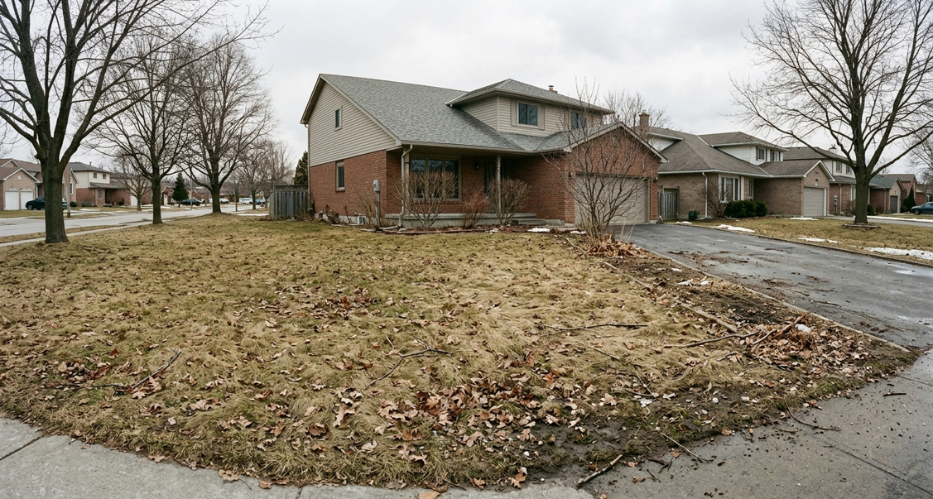

Have you ever looked at your yard in late fall and wondered why some Ontario lawns stay lush through winter while others look tired by spring?
It’s a quiet worry many homeowners carry.
Your lawn is more than grass. It frames your home’s beauty, comfort, and even its value. And because it’s part of your investment, it deserves the same care you give the rest of your home.
Yet winter in Canada is different. It’s harsh. It’s long. And it can slowly drain the strength from any lawn that isn’t prepared. Deep snow, sudden freeze–thaw cycles, and compacted soil all take a toll.
Most people don’t realize this.
They assume lawns rest naturally. But grass still needs a winter routine, and skipping it often leads to dead patches, snow mold, thinning, and expensive spring recovery.
With the right fall preparation, your lawn enters winter stronger. It survives better. And it wakes up faster when spring returns.
And if this feels like one more thing on your already full list, Custodia can help with free consultation and a professional home inspection to guide you.
Our Home Management Plans bundle the essential seasonal services you need into one reliable, stress-free subscription—so your home stays cared for even when life gets busy.
What Should You Do to Prepare Your Lawn for Winter in Ontario?
Preparing your lawn for winter might feel small compared to everything else you manage, but these steps protect nearly 80% of your lawn’s long-term health.
And because Ontario winters are tough on grass, a little attention now saves you from stress, repairs, and a tired-looking yard in spring.
Here’s what truly makes a difference:
- Remove all leaves, debris, and built-up thatch.
Anything left sitting on the grass can trap moisture, create fungus, or attract pests looking for shelter. Even a thin layer of leaves can block sunlight during the last warm days of fall.
- Aerate compacted soil before the freeze.
Ontario soil becomes dense after summer foot traffic. Aeration opens it up, allowing oxygen and nutrients to reach deeper roots before everything freezes solid. This small step dramatically improves winter resilience.
- Overseed thin or patchy areas right after aeration.
Fall’s cool temperatures help seeds germinate quickly and build strong roots. This prevents bare spots from widening under snow or during early spring melt.
- Apply a winterizer fertilizer designed for Canadian lawns.
A potassium-rich formula strengthens root systems, supports energy storage, and helps grass bounce back earlier when spring warmth returns. This is one of the most effective preventive upkeep steps homeowners skip
Together, these tasks create a lawn that enters winter stronger, survives harsh conditions with less damage, and wakes up healthier when the snow finally melts.
Should You Cut Your Grass Short Before Winter?
Many homeowners ask, “Should grass be cut short before winter?” And it’s a good question because the way you finish your mowing season can shape how your lawn survives Ontario’s long, snowy months.
Here’s what truly helps protect it:
- Keep your final mow at 2.5–3 inches.
This height is the sweet spot. It keeps your lawn tidy, prevents snow mold, and protects the crown from harsh cold. Your grass stays strong without feeling stressed.
- Avoid cutting too short.
Scalping may look neat, but it exposes the crown and weakens roots. It leaves your lawn vulnerable to winterkill, bare spots, and slow spring recovery.
- Avoid leaving the grass too long.
Tall blades fold, trap moisture, and create matting under snow. This trapped moisture encourages fungus, often showing up as discolored patches in early spring.
- Time your last mow just before Ontario’s first hard frost.
Watching the frost calendar helps you give that final, perfect cut, allowing the grass to settle into dormancy without stress.
Choosing the right mowing height may seem small, but it shapes how healthy, green, and resilient your lawn looks when winter finally melts away.
[Read: Is It Better To Leave Grass Longer In The Fall In Canada?]
Is Winter Fertilizer Necessary in Canada? (When to Apply and What Type You Need)
Do you really need winter fertilizer in Canada?
The short answer is yes. Using the right winterizing fertilizer strengthens roots, protects crowns, and helps your yard wake up greener and fuller.
Here’s why it matters:
- Use potassium-rich winterizer formulas.
Potassium strengthens roots and improves cold tolerance. It helps grass withstand frost, snow, and fluctuating temperatures, creating a foundation that survives the harsh Ontario winter.
- Balance nitrogen and potassium.
Too much nitrogen drives leafy growth that freezes easily, leaving the lawn vulnerable. Potassium-heavy blends store energy in roots, ensuring survival and a healthy spring rebound.
- Apply before the ground freezes.
Late fall is the perfect window. Fertilizer nutrients penetrate active soil, allowing roots to absorb them fully before dormancy sets in. Timing here is critical for success.
Proper winter fertilization is an investment in a lawn that will look healthy, strong, and ready for family gatherings and outdoor fun when spring finally arrives.
What Should You Avoid Doing to Your Lawn in Winter? (Common Mistakes Homeowners Make)
Here’s what Ontario homeowners should watch out for:
- Walking or driving over frozen turf.
Frozen grass is brittle. Every step or tire mark can crush blades and compact soil, leading to bare patches in spring.
- Leaving leaves or debris to mat under snow.
Trapped moisture encourages snow mold, ungus, and pests. Even thin layers of organic matter can suffocate grass over winter.
- Using salt-based de-icers near grass.
Sodium salts burn roots and change soil pH. Choose lawn-safe alternatives like sand or calcium magnesium acetate (CMA) instead.
- Ignoring snow mold signs until spring.
Early detection helps reduce spread. Gently removing debris during mid-winter thaws can save weak spots from worsening.
What’s Next?

Don’t leave your lawn’s health to chance.
Take proactive steps today and let Custodia handle winter lawn care, snow management, and year-round maintenance through a simple, reliable Home Management Plan.
Call 1-833-410-4357 or Book Online now for your free consultation and quote, and enjoy peace of mind while your lawn thrives.
FAQs: Winter Lawn Care in Ontario
- Can I schedule winter lawn services around my family’s routine?
Yes. Many Ontario service providers offer flexible scheduling, ensuring routine maintenance and snow management won’t disrupt family life or busy workweeks.
- How often should a lawn be checked during winter?
A professional should inspect lawns at least once mid-winter. This helps spot early signs of damage, such as ice burn, snow mold, or soil compaction.
- Do winter lawn services include damage repair after frost or snow?
Yes. Custodia offer preventive and corrective services, including minor repairs, aeration, or reseeding in early spring, so lawns recover faster.
- Can winter lawn care help reduce spring maintenance costs?
Absolutely. Proper winter protection reduces lawn stress, prevents disease, and decreases costly spring repairs. Prevention saves both money and time.
- How do Home Management Plans help with winter lawn care?

Plans bundle seasonal services like snow removal, lawn inspections, and preventive care into one subscription. This ensures consistent care, peace of mind, and a healthy lawn year-round.