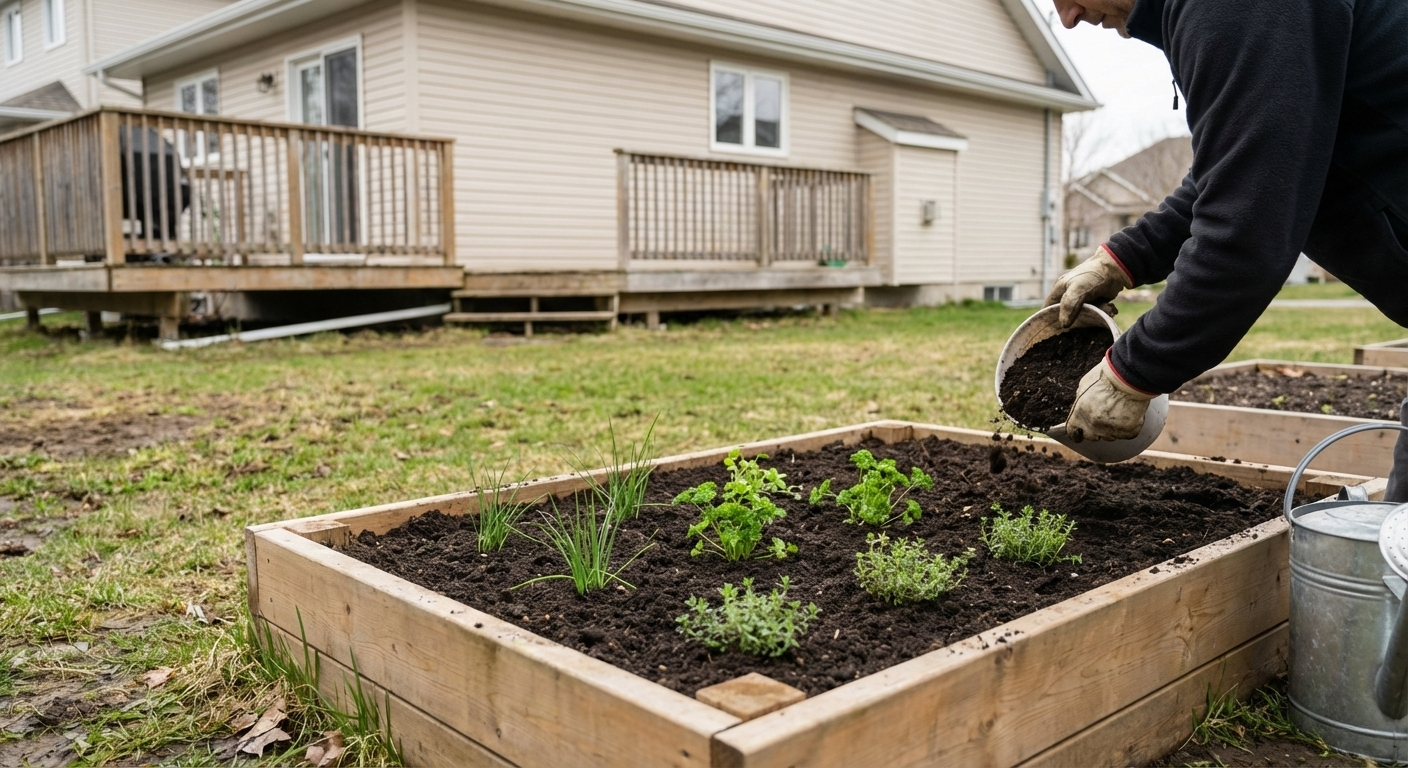
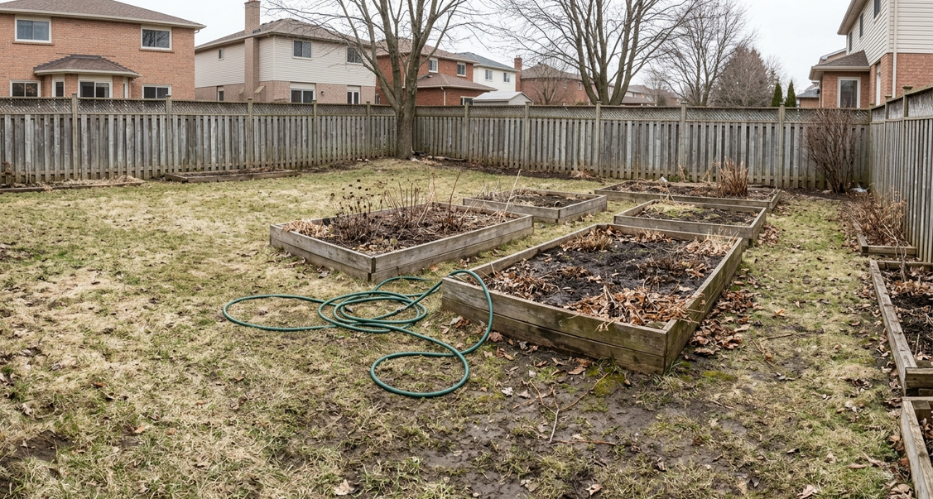
Preparing your garden for spring in Canada is one of the most important things you can do as a homeowner.
The snow melts, the ground thaws, and your garden is suddenly exposed after a long Ontario winter. Skip this step and you leave your plants vulnerable to disease, pest damage, and poor growth all season long.
Compacted soil from snowmelt suffocates roots before anything gets a chance to grow. Dead debris sitting in garden beds invites fungal disease and overwintering pests that multiply quickly.
On the flip side, a properly prepared garden means healthier plants, stronger perennials, better vegetable yields, and a yard that adds real value to your home.
Getting this right each spring sets the tone for everything that follows.
Custodia garden care services and Home Management Plan in Ontario are here to help if you need professional support.
Book a free consultation online or call 1-833-410-4357.
When Should I Start Preparing My Garden for Spring in Ontario?
Most Ontario gardeners get eager the moment February ends, but rushing out too early can do more harm than good.
The general rule is to wait until nighttime temperatures stay consistently above freezing, usually between late March and mid April depending on your part of Ontario.
Southern Ontario warms up faster than northern regions, so timing really does vary.
The biggest mistake homeowners make is working wet, soggy soil too soon.
That alone can damage your garden’s structure for the entire growing season.
5 Must-Dos Before You Start:
- Check that overnight frost has passed consistently
- Do the soil squeeze test before digging anything
- Clear winter debris from all garden beds
- Remove burlap and winter coverings from shrubs
- Plan your layout before buying any new plants
| Ontario Region | Safe Start Window | Average Last Frost |
|---|---|---|
| Southern Ontario (zones 6a to 6b) | Late March to early April | Around April 15 |
| Central Ontario (zones 5a to 5b) | Mid April | Around April 30 |
| Northern Ontario (zones 3 to 4b) | Late April to mid May | Around May 15 to 30 |
How Do I Know What Hardiness Zone I’m In?
Your hardiness zone tells you which plants can survive your local Ontario winter and when it is safe to start gardening in spring.
Canada uses its own Plant Hardiness Zone map, which covers the entire country based on Canadian climate data.
Ontario spans zones 3 all the way to zone 7 along the southern shorelines of Lake Erie and Lake Ontario.
Knowing your zone saves you money, prevents plant loss, and helps you plan smarter every single season.
It also helps you avoid the common mistake of buying beautiful plants at the garden centre that simply will not survive winter.
Many Ontario homeowners lose plants every year simply because they did not check the zone label. A few seconds of research before you buy can save you hundreds of dollars over time.
5 Tips for Using Your Hardiness Zone:
- Visit the Government of Canada hardiness zone map online and enter your postal code
- Always buy plants labeled for your zone or one zone colder for extra safety
- Microclimates matter, a south facing wall in your yard can be half a zone warmer
- Use your zone to time seed starting indoors correctly
- Check your zone before ordering any new perennials, trees, or shrubs online
How Do I Know When My Soil Is Ready to Work?
Working your soil too early is one of the most common spring gardening mistakes Ontario homeowners make.
When soil is still wet and heavy from snowmelt, digging or stepping on it destroys the structure that took years to build. The simple squeeze test tells you everything.
Grab a handful of soil and squeeze it.
If it crumbles apart when you poke it, you are good to go. If it holds a muddy clump, wait a few more days.
| Soil Condition | What It Means | What To Do |
|---|---|---|
| Crumbles easily | Soil is ready | Safe to dig and plant |
| Holds shape but breaks gently | Almost ready | Wait 2 to 3 more days |
| Muddy and sticky | Too wet | Wait at least one week |
| Icy or partially frozen | Not ready at all | Do not touch it yet |
Should I Remove Mulch and Winter Protection in Early Spring?
Yes, but timing matters a lot.
Leaving winter protection on too long traps moisture and heat, which encourages mold and rot right at the base of your plants.
5 Things to Remove and Why:
1. Burlap wrapping — Leaving it on too long traps humidity and causes bark rot on shrubs and young trees
2. Evergreen boughs — They were protecting roots from freeze thaw cycles but now block sunlight and air circulation
3. Heavy winter mulch — Pull it back gradually to avoid shocking plants with sudden temperature changes
4. Plastic tree guards — Warm spring temperatures turn them into heat traps that damage bark and attract insects
5. Fallen debris around plant bases — Dead leaves sitting at the crown of plants invite crown rot and fungal disease
How Do I Improve My Soil Before Spring Planting in Canada?
Healthy soil is the foundation of every great Ontario garden.
After a long winter, your soil is compacted, nutrient depleted, and desperately needs attention before you plant anything.
Adding organic matter like compost, aged manure, or peat moss loosens the soil structure, improves drainage, and feeds your plants naturally from the ground up.
| Soil Amendment | Best For | How Much to Apply |
|---|---|---|
| Compost | All garden beds | 2 to 3 inches worked in |
| Aged manure | Vegetable gardens | 1 to 2 inches worked in |
| Peat moss | Sandy or clay soil | 1 inch mixed thoroughly |
| Slow release fertilizer | Trees and shrubs | Follow package directions |
How Much Compost Do I Need to Add to My Garden Beds?
Compost is the single best thing you can add to your Ontario garden beds every spring.
A layer of 2 to 3 inches worked into the top soil does wonders for soil structure, moisture retention, and natural nutrient supply.
Work it in properly with a garden fork so it actually reaches the root zone where plants need it most.
| Garden Bed Size | Compost Needed | Bags Required (approx.) |
|---|---|---|
| 4 x 4 feet | Around 1.5 cubic feet | 1 standard bag |
| 4 x 8 feet | Around 3 cubic feet | 2 standard bags |
| 10 x 10 feet | Around 8 cubic feet | 5 to 6 standard bags |
| Large yard beds | Calculate by square footage | Consider bulk delivery |
[Read: How To Build A Raised Garden Bed With Concrete Blocks]
When Is the Right Time to Prune Shrubs in Ontario?
The timing really depends on when your shrub flowers.
Summer flowering shrubs like hydrangeas and spirea bloom on new wood, so pruning them in early spring is perfectly fine.
Spring flowering shrubs like lilacs and forsythia bloom on old wood, meaning you should wait until right after they finish flowering before touching them.
| Shrub Type | Examples | Best Time to Prune |
|---|---|---|
| Summer flowering shrubs | Hydrangea, Spirea, Rose of Sharon | Early spring before new growth |
| Spring flowering shrubs | Lilac, Forsythia, Magnolia | Right after flowering finishes |
| Evergreen shrubs | Cedar, Juniper, Boxwood | Late spring after last frost |
| Dead or damaged branches | Any shrub | Anytime, remove immediately |
When Can I Start Seeds Indoors for My Ontario Garden?
Starting seeds indoors gives your garden a serious head start in Ontario, especially for vegetables and flowers that need a long growing season.
The key is counting backwards from your last frost date to figure out exactly when to start each crop.
Starting too early means leggy overcrowded seedlings by planting time. Starting too late defeats the whole purpose of indoor growing entirely.
| Crop | Weeks Before Last Frost | Approx. Indoor Start Date (Southern Ontario) |
|---|---|---|
| Tomatoes | 6 to 8 weeks | Early to mid March |
| Peppers | 8 to 10 weeks | Late February to early March |
| Eggplant | 8 to 10 weeks | Late February to early March |
| Broccoli and cauliflower | 4 to 6 weeks | Late March to early April |
| Basil | 4 to 6 weeks | Late March to early April |
| Marigolds and petunias | 6 to 8 weeks | Early to mid March |
How Do I Stop Weeds From Taking Over My Garden in the Spring?
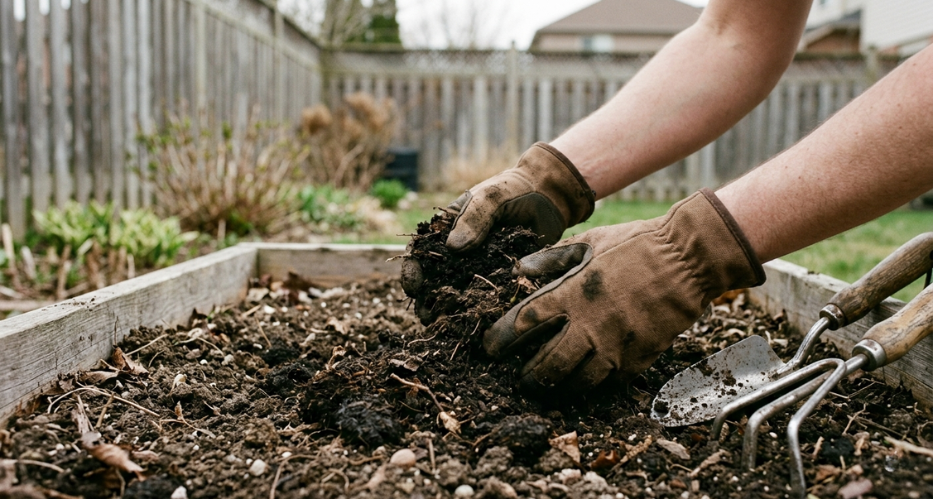
Weeds are opportunists and spring is their favourite season in Ontario.
The moment your soil warms up, weed seeds that have been sitting dormant all winter spring into action fast.
The best strategy is to start early before weeds get established and go to seed.
Getting ahead of them in early spring saves you enormous amounts of time and frustration all summer long.
| Weed Control Method | Best Used For | When to Apply |
|---|---|---|
| Hand pulling | Small garden beds | As soon as weeds appear |
| Mulching | All garden beds | Early spring after cleanup |
| Landscape fabric | Pathways and borders | Before mulch goes down |
| Corn gluten meal | Organic pre emergent | Early spring before seeds germinate |
| Hoe cultivation | Large open garden areas | Every 1 to 2 weeks in spring |
Here Are Top 4 FAQs About Spring Garden Care in Ontario
1. How much does spring garden cleanup cost in Ontario?
Most Ontario homeowners pay between $150 and $500. At Custodia, we offer free consultations to give you an accurate quote.
2. Is it worth hiring a professional gardener for spring preparation in Ontario?
Absolutely. Teams like Custodia save you time and deliver results you can actually see.
3. What does a professional spring garden service typically include?
Custodia covers cleanup, pruning, soil amendment, mulching, fertilizing, and a full garden health assessment.
4. Do garden care companies in Ontario offer ongoing maintenance after spring cleanup?
Yes. Custodia’s home management plan keeps your garden healthy and beautiful all year round.