If you have ever asked yourself “how often should I mow my lawn in spring in Canada?” you are definitely not alone.
Every spring, homeowners across Ontario step outside, look at their lawn after a long winter, and wonder the same thing.
And honestly, it is a fair question.
Here is what years of hands-on lawn care experience will tell you.
Spring is when your grass wakes up hungry and grows fast. Really fast.
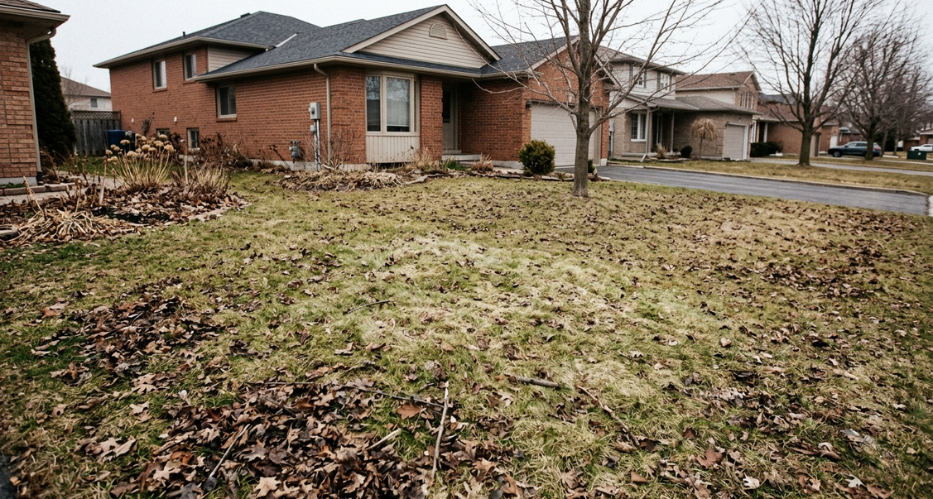
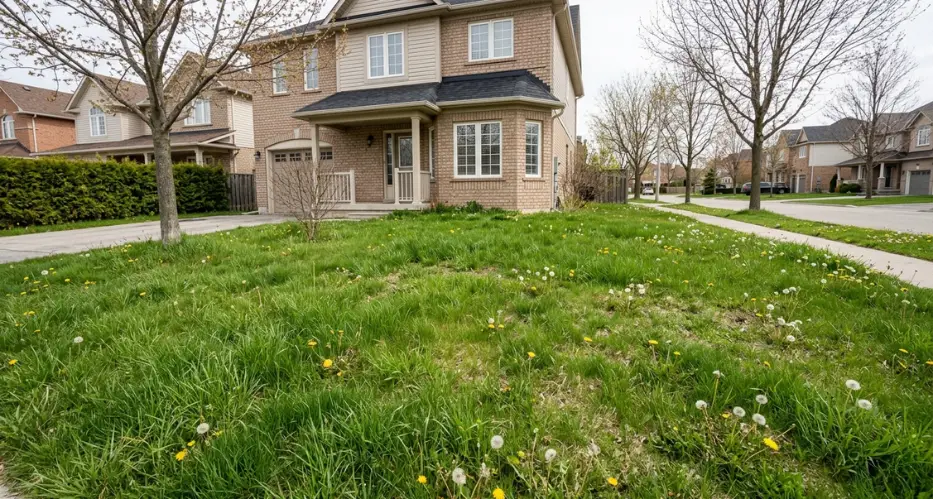
Waiting two weeks between mows might feel convenient, but your lawn will show the stress quickly. You will notice clumping, uneven patches, and a tired-looking yard that struggles to bounce back.
And it goes beyond just appearances.
Many Ontario municipalities have bylaws that require homeowners to keep grass below a certain height, usually 20 centimeters or about 8 inches.
Ignoring that can mean fines and bylaw notices.
Overgrown lawns also hide real dangers.
Ticks, wasps, and small animals nest in tall grass, putting kids and pets at serious risk.
Neighbors notice too.
A neglected lawn quietly pulls down property values on the whole street and kills curb appeal fast.
There is also the insurance angle most homeowners never think about.
If someone is injured on your property because of an overgrown or hazardous yard, your insurance company may reduce or deny your liability claim. An unkempt lawn signals neglect, and insurers take that seriously.
A consistent weekly mowing schedule protects your lawn, your family, and your wallet. And that is exactly where Custodia Lawn Maintenance Services in Ontario comes in.
Explore our Home Management Plan (offering personalized services and incredible discounts for seniors) or Book a free consultation online or call 1-833-410-4357 today.
How Often Should You Mow Your Lawn in Spring in Ontario?
Spring in Ontario is not the time to play it casual with your lawn.
Cool-season grasses like Kentucky bluegrass and fescue explode with growth between April and May. Experienced lawn care professionals will tell you the same thing every time.
Mow every 4 to 7 days during peak spring growth.
Here is why that frequency matters:
Frequent mowing encourages thicker, healthier turf that naturally chokes out weeds before they spread.
Regular cuts keep grass height consistent, reducing stress and promoting stronger, deeper root development.
Skipping sessions forces you to cut too much at once, shocking the grass and leaving it vulnerable.
Consistent mowing improves curb appeal weekly, which neighbors and potential buyers always notice immediately.
Here is a quick reference guide for Ontario spring mowing:
Factor | Recommendation |
|---|---|
Mowing Frequency | Every 4 to 7 days |
Ideal Grass Height | 3 to 3.5 inches |
Best Time of Day | Mid-morning after dew dries |
When to Start | Late March to early April |
Blade Sharpness | Sharpen blades every 20 to 25 hours of use |
What Happens If You Wait Two Weeks Between Mows?
Two (2) weeks feels harmless until you actually see what your lawn looks like.
Seasoned lawn care pros see this mistake repeatedly every spring across Ontario neighborhoods. The damage is real and sometimes takes weeks to reverse.
Skipping mowing sessions creates a chain of problems that compound quickly.
Here is what typically happens:
Grass grows well past the safe cutting zone, forcing you to scalp it and cause serious root shock.
Thick overgrown clippings clump and smother healthy grass underneath, blocking sunlight and killing growth patches.
Weeds seize the opportunity fast, spreading aggressively through weakened turf before you even notice them spreading.
Moisture gets trapped in dense overgrowth, creating perfect conditions for lawn disease and stubborn fungal growth.
Here is a side by side look at weekly vs. bi-weekly mowing and what each one really does to your lawn:
Condition | Weekly Mowing | Bi-Weekly Mowing |
|---|---|---|
Grass Health | Strong and consistent | Stressed and uneven |
Weed Control | Naturally suppressed | Weeds spread freely |
Clipping Volume | Light and manageable | Heavy and smothering |
Lawn Appearance | Neat and attractive | Patchy and overgrown |
Recovery Time After Cut | Minimal | Several days to weeks |
Risk of Lawn Disease | Low | Significantly higher |
[Read: How To Repair A Heavily Damaged Lawn In Spring In Canada?]
When Is the Best Time to Start Mowing in Ontario?
Most Ontario homeowners jump the gun or wait too long.
Experienced pros will tell you the sweet spot is late March to early April when soil firms up and grass begins actively growing again.
Here is a full seasonal mowing schedule for Ontario homeowners who want the best results:
Season | Months | Recommended Mowing Frequency | Benefits to Lawn Health |
|---|---|---|---|
Spring | March to May | Every 4 to 7 days | Encourages thick growth, crowds out weeds, strengthens root development |
Summer | June to August | Every 5 to 7 days | Prevents heat stress, maintains moisture retention, keeps turf dense and resilient |
Fall | September to November | Every 7 to 10 days | Prepares grass for dormancy, reduces disease risk, prevents matting under snow |
Winter | December to February | No mowing needed | Allows full dormancy, protects root systems, conserves energy for spring regrowth |
What Height Should You Keep Your Grass in Spring?
Grass height is something a lot of homeowners genuinely underestimate.
Get it wrong and your lawn pays the price all season long.
Pros follow one golden rule consistently: Keep your grass between 3 and 3.5 inches throughout spring.
Here is why that range works so well:
Taller grass shades the soil naturally, locking in moisture and keeping stubborn weeds from germinating successfully.
Proper height encourages deeper root growth, making your lawn more drought resistant as summer approaches quickly.
Cutting too short weakens turf fast, leaving it thin, patchy, and wide open for weed invasion.
Here Is A Practical Spring Mowing Guide For The Top 9 Most Common Grass Types Found In Ontario Lawns Today:
Ontario Grass Type | Ideal Spring Height | Mowing Tip |
|---|---|---|
Kentucky Bluegrass | 2.5 to 3.5 inches | Never cut below 2 inches in spring |
Tall Fescue | 3 to 4 inches | Keep higher during dry spells and heat |
Perennial Ryegrass | 2.5 to 3 inches | Mow frequently for best density and appearance |
Fine Fescue | 2.5 to 3.5 inches | Tolerates shade well, avoid overwatering in spring |
Creeping Red Fescue | 2 to 3 inches | Low maintenance but needs consistent cutting schedule |
Chewings Fescue | 2 to 3.5 inches | Great for shaded areas, avoid scalping at all costs |
Hard Fescue | 2 to 3 inches | Very drought tolerant, minimal mowing needed in spring |
Bentgrass | 0.5 to 1.5 inches | Requires very frequent mowing and careful maintenance |
Zoysia Grass | 1.5 to 2.5 inches | Slow spring starter, wait until actively growing before cutting |
Is Professional Lawn Care Worth It in Spring?
Ask any homeowner who has tried to manage their Ontario lawn alone through spring and most will tell you the same thing.
It is more work than it looks and the mistakes are costly.
Custodia Garden Care Services sees it firsthand every single season across Ontario.
Professional lawn care is not a luxury. For most homeowners it is genuinely the smarter investment.
Here is what you get with Custodia that DIY simply cannot match:
Custodia’s trained technicians arrive on a consistent schedule, so your lawn never falls behind during critical spring growth periods.
Sharp professional grade equipment delivers clean precise cuts that protect grass health far better than most household mowers ever will.
Custodia’s seasonal plans include fertilizing, weed control, and edging so nothing gets overlooked or accidentally skipped between visits.
Professional eyes catch early signs of disease, pest activity, and soil problems before they spread and become expensive to fix.
Now here are the top 5 real dangers of going the DIY route in spring:
- Scalping your lawn by cutting too low causes deep root shock that can take several weeks to fully recover from.
- Using dull mower blades tears grass instead of cutting it cleanly, leaving turf wide open to disease and fungal infection.
- Mowing wet spring grass causes compaction, clumping, and uneven cuts that seriously damage turf structure and overall appearance.
- Skipping fertilizer or applying the wrong product at the wrong time starves your grass exactly when it needs nutrition most.
- Overlooking early weed growth allows dandelions and crabgrass to establish deep roots that become extremely difficult to remove later.
Custodia takes all of that off your plate completely.
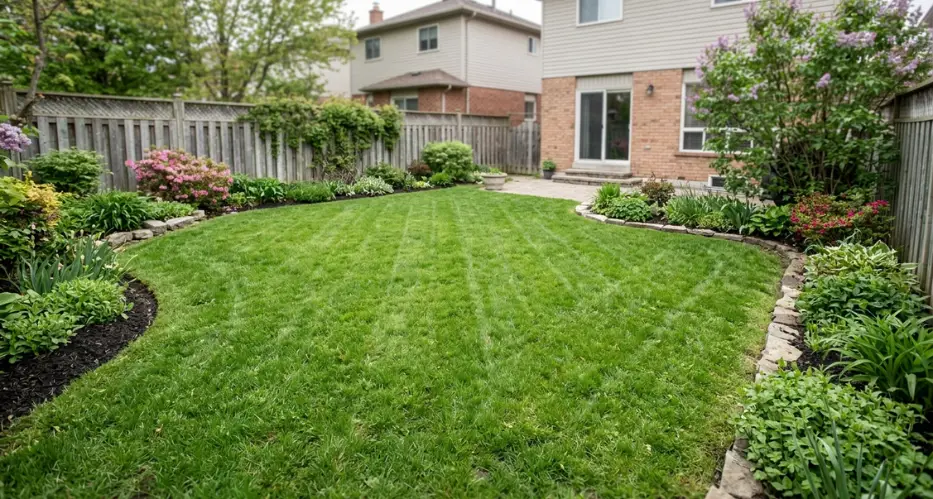
How to Keep Your Lawn Healthy Between Mows
Most homeowners think mowing is enough. It is not.
What you do between cuts is just as important as the cut itself.
Healthy lawns need consistent care all week long.
Here Are 5 Essential Habits That Make A Real Difference Between Mowing Sessions:
- Water deeply but infrequently, aiming for one inch per week to encourage roots to grow deeper into soil.
- Leave short clippings on the lawn after mowing as they break down naturally and return valuable nutrients back to soil.
- Pull weeds immediately when you spot them before they flower, seed, and spread aggressively across your entire lawn.
- Avoid heavy foot traffic on spring grass while it is still establishing, as compaction weakens root development significantly.
- Check for bare patches early and overseed quickly before weeds claim those vulnerable open spaces across your lawn.
Lawn Care Task | How Often | Best Time |
|---|---|---|
Watering | 2 to 3 times weekly | Early morning |
Fertilizing | Every 6 to 8 weeks | After mowing |
Weed Removal | Weekly checks | As soon as spotted |
Overseeding | Once in spring | Mid April |
Aeration | Once yearly | Early spring |
Conclusion
Mowing your lawn every two weeks during Ontario’s spring is a gamble most lawns simply cannot afford.
Consistent weekly care protects your grass, your property value, your family, and your liability. Do not wait until damage is visible and expensive to fix.
Book your free consultation online or call 1-833-410-4357 today before the season gets away from you.
FAQs About Spring Lawn Mowing Frequency in Ontario
Q1: How often should I mow my lawn in spring in Ontario?
Mow every 4 to 7 days during spring for a consistently healthy and attractive lawn.
Q2: What happens if I skip mowing for two weeks in spring?
Grass grows too tall, weeds spread fast, and recovery takes weeks of professional attention.
Q3: When should I book my first professional lawn care visit in Ontario?
Book early, ideally late March. Custodia recommends securing your spring slot before April arrives.
Q4: Can overgrown lawns affect my home insurance in Ontario?
Yes. Insurers may deny liability claims if a neglected yard contributes to property accidents or injuries.
Q5: Does Custodia offer lawn care packages for seniors in Ontario?
Absolutely. Custodia Home Management Plan includes incredible discounts designed specifically for Ontario seniors needing reliable year round care.