
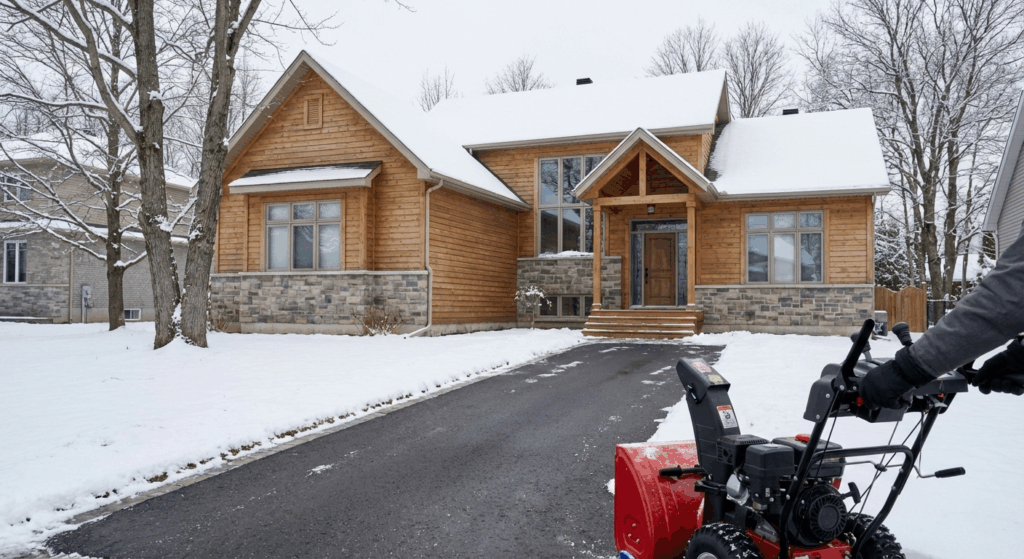
This question comes up every winter when driveways, sidewalks, and walkways turn into solid sheets of ice. After repeated snowfalls, daytime melting, and overnight freezing, ice bonds tightly to concrete and asphalt.
It becomes slippery, dangerous, and frustrating to remove.
Many homeowners look at their snow blower and assume it should handle the job. After all, it clears heavy snow with ease. Using it on ice feels like the fastest option.
The reality is more complicated. Snow and ice behave very differently.
Snow blowers are built to lift and throw loose snow, not grind through frozen, solid surfaces. Trying to force a machine to break ice can damage augers, shear pins, and drive systems. It can also crack concrete, chip interlock, and increase the risk of slips or flying debris.
Understanding whether a snow blower can break ice in Canada requires knowing equipment limits, surface risks, and safer alternatives.
This knowledge helps prevent injuries, costly repairs, and property damage during harsh winters.
For homeowners who want safer, reliable winter solutions, Custodia’s Home Management Plan in Ontario offers professional support, seasonal care, and peace of mind without trial and error.
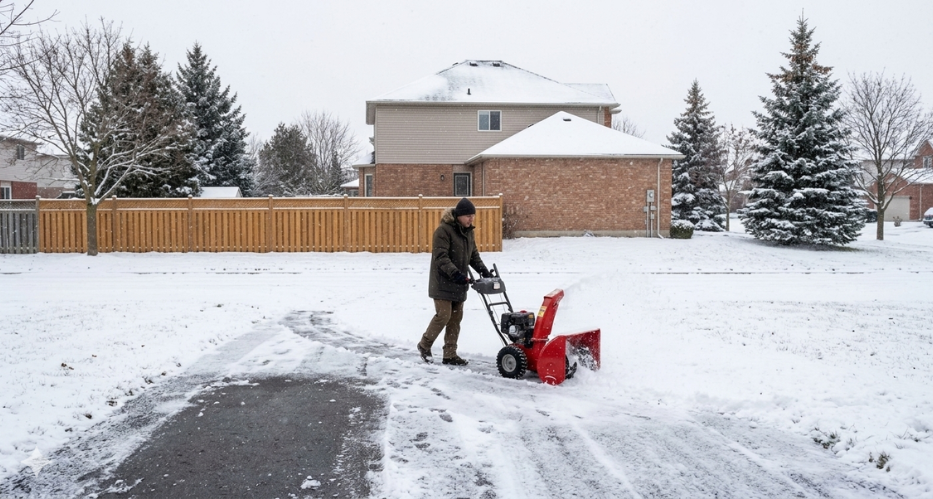
How Do Snow Blowers Actually Work?
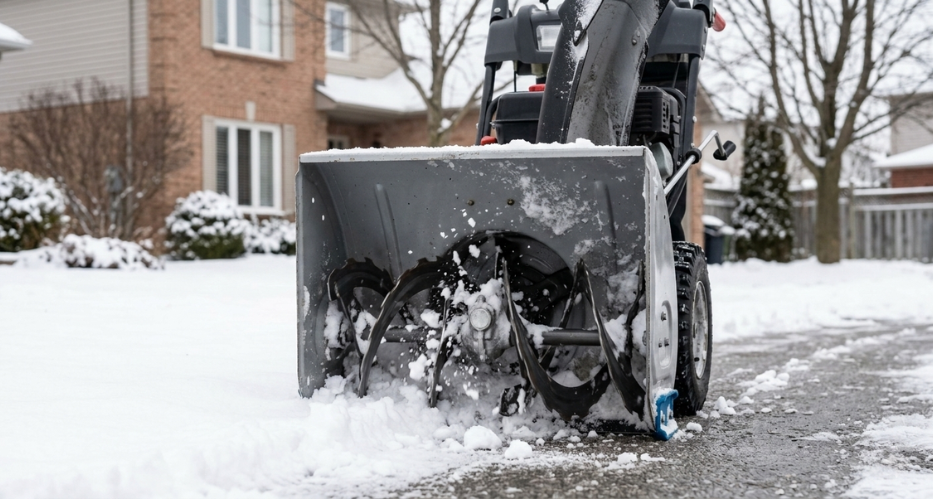
A snow blower is designed to remove snow, not break solid ice.
Its main components (the auger and impeller) work together to scoop snow and throw it away from driveways or sidewalks.
The auger rotates to gather snow, feeding it into the impeller, which propels it through the chute. This rotational force works well on loose, powdery, or lightly packed snow but fails against solid ice.
Ice is rigid and adheres to surfaces, so the auger cannot grip or break it effectively.
Trying to force a snow blower against ice puts extreme stress on mechanical parts.
Can a Snow Blower Break Ice Safely in Canada?
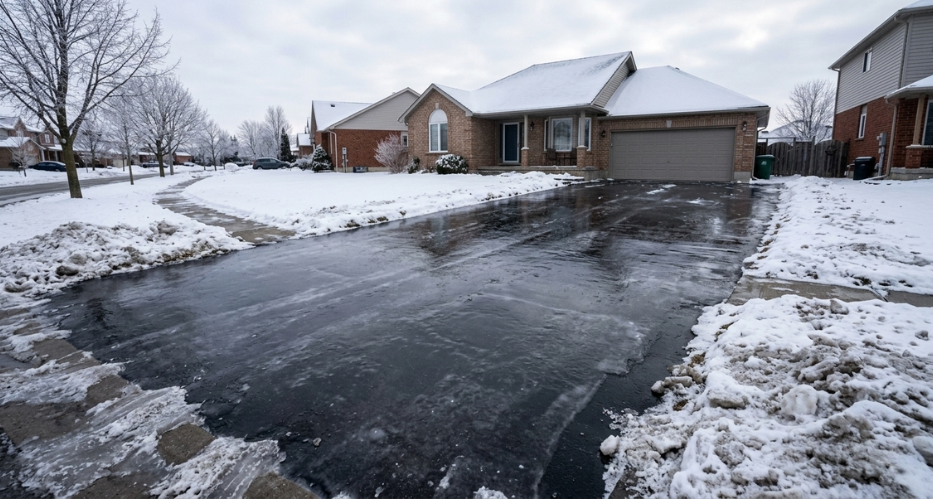
A snow blower can move snow, but it is not made to break ice safely.
Snow is loose and light. Ice is hard and stuck to the ground.
This difference matters a lot. Snow blowers use augers to pull snow in and throw it out. They are not built to chip or crush frozen surfaces.
When you try to break ice with a snow blower, problems start fast.
The auger can jam. Shear pins can snap. Belts and motors take heavy strain. In many cases, the machine stops working or needs costly repairs.
Ice removal needs pressure, scraping, or melting. Snow blowers do none of these well.
Instead of lifting ice, the machine often rides over it or bounces. This can damage concrete, interlock, or asphalt below.
There is also a safety risk.
Ice chunks can fly out at high speed. Slips happen easily when the machine loses grip. In short, snow blowers remove snow, not ice. Using them for ice creates more risk than results.
What Type of Ice Can a Snow Blower Handle?
Snow blowers can handle some soft or loosely bonded ice but struggle with hard, compacted layers.
Loose ice crusts or refrozen slush may break apart slightly if thin, allowing partial clearing. However, glare ice or ice firmly bonded to asphalt, concrete, or interlock is too tough.
Thickness and adhesion are critical factors.
Even a small patch of thick, hard ice can stop the auger instantly. Attempting to “push through” solid ice risks damaging the machine and creating flying ice hazards.
PS: Understanding ice type prevents costly repairs and improves safety.
Ice Thickness Thresholds That Matter in Canada
Snow blowers are limited by ice thickness.
Thin surface ice under 0.5 cm may break with repeated passes, but anything over 1 cm is unsafe. Hard, bonded ice layers can stop the auger and shear pins, risking motor or gearbox damage.
Canadian freeze-thaw cycles make ice denser and harder over time.
Ice forming in March is often more resilient than January ice because repeated thawing and refreezing strengthens the layer.
Snow blowers simply cannot handle these hardened layers. Homeowners should focus on alternative methods (like ice melt, scraping, or professional de-icing) when ice exceeds safe thresholds, protecting both the equipment and property surfaces.
Does Using a Snow Blower on Ice Affect Warranty or Insurance?
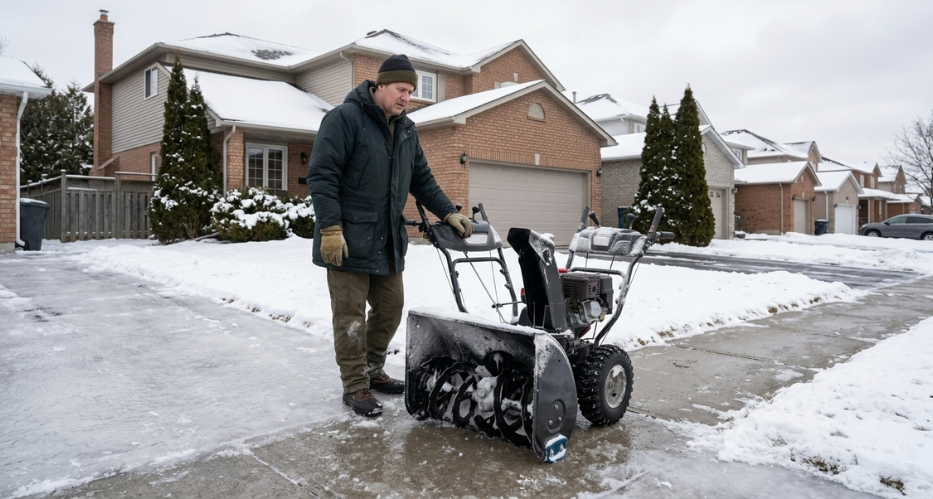
Using a snow blower on ice can void warranties and complicate insurance claims, as ice removal exceeds typical equipment use. Homeowners and landlords need to understand these risks before operating their machines on hard ice.
Consider these factors carefully:
1. Manufacturer usage limits –
Most warranties only cover snow removal, not ice breaking, which is considered misuse and voids coverage.
2. Insurance claim risks –
Damages caused while breaking ice may be excluded from insurance coverage if outside standard use.
3. Liability concerns for homeowners –
Accidents caused by using a snow blower on ice can make homeowners legally responsible.
4. Liability concerns for landlords –
Landlords face higher risks if tenants or visitors slip due to improper ice clearing.
[Read:What Is The Fastest Way To Remove Snow In Canada During Winter?]
What Should You Use Instead of a Snow Blower for Ice?
Safer ice management focuses on chemical or mechanical solutions designed for ice. Using the right materials reduces property damage and enhances safety.
Here are 5 safer alternatives to using snow blower to break ice:
1. Ice melt vs mechanical force –
Melting products break ice safely without risking snow blower damage or concrete surfaces.
2. Calcium chloride vs sodium chloride –
Calcium chloride works faster in extreme cold, while sodium chloride is slower but budget-friendly.
3. Timing treatment before refreeze –
Applying ice melt ahead of frost prevents thick ice buildup, reducing slip hazards.
4. Use of shovels and scrapers –
Manual scraping with metal or plastic tools removes ice layers safely without damaging equipment.
5. Sand or grit for traction –
Adding sand or grit improves footing on ice, reducing slip risks without mechanical force.
FAQs About Snow Removal And De-Icing Service In Ontario, Canada
1. How long does snow typically stay on driveways and sidewalks in Ontario?
Snow can linger anywhere from a few hours to several weeks depending on temperature, sun exposure, and local accumulation.
2. Who is responsible for snow and ice removal on sidewalks and driveways in Ontario?
Homeowners are generally responsible for clearing snow from private property, while municipalities handle public sidewalks and streets.
3. What types of snow blowers work best in Canadian winters?
Two-stage and three-stage snow blowers with high CC engines handle deep snow efficiently and prevent frequent clogging.
4. Which is better for heavy snow: a 2-stage or 3-stage snow blower?
Three-stage snow blowers manage dense, wet snow faster and with less strain on the equipment than two-stage models.
5. How many CCs do I need in a snow blower for Ontario winters?
Engines between 200–300 CC work for moderate snow, while 300+ CC is recommended for heavy, wet, or icy snow.
6. Can a snow blower handle heavy or compacted snow safely?
Yes, if designed for high-capacity snow, but avoid using it on solid ice to prevent damage and accidents.
Call 1-833-410-4357 or book online today to schedule your snow removal and de-icing service.
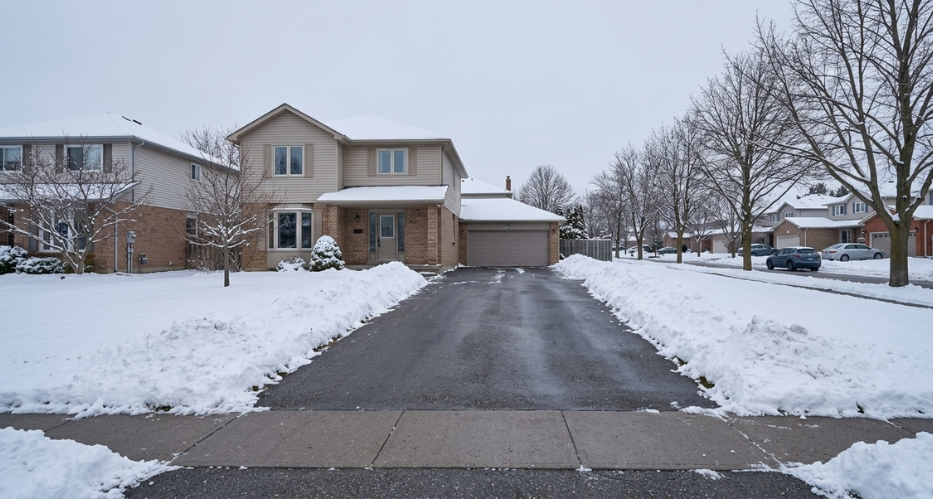
Ask about our Home Management Plan for customized seasonal service, expert advice, and exclusive Ontario discounts—keeping your driveways, sidewalks, and property safe all winter long.