What month do you stop cutting grass? What length should you cut your grass to? Is it okay to mow after a frost?
These are some of the most common questions homeowners and seniors ask when they reach out to Custodia for our professional Yard Cleanup and Lawn Maintenance services in Ontario.
Timing your lawn’s final cut of the year is a balancing act. If you stop mowing too early, overly long grass will mat down under heavy snow, trapping moisture and inviting destructive spring diseases like Snow Mold. If you stop too late, you risk scalping your lawn and exposing vulnerable root systems to harsh winter freezes.
To help you get the perfect lawn next spring, this guide breaks down the exact environmental cues, regional timelines, and post-cut maintenance strategies you need to know.

Why Timing Matters for Property Safety and Lawn Health
The Risk of Stopping Too Early: If Ontario experiences a late-autumn warm spell after your “final” cut, the grass will sprout again. Leaving it long over winter creates a cozy breeding ground for field mice, voles, and fungal pests.
The Hazard of Mowing Too Late: Walking on or mowing frozen, frosty grass shatters the cell walls of the blades. This permanently damages the grass crown and leaves ugly, bare brown patches come spring.
Safety for Seniors: As the weather cools, long grass mixed with autumn rain or early flurries creates a incredibly slick, hazardous surface. Keeping the turf tidy ensures a safer, slip-free outdoor environment for seniors, children, and pets.

Regional Mowing Timelines: Toronto and the GTA
Because Ontario spans multiple climate zones, a homeowner in Ottawa will stop mowing weeks before a homeowner in Windsor. For properties within Custodia’s core service areas, here is your target window based on local microclimates:
| Region / City | Expected Final Cut Window | Local Climate Factor |
| City of Toronto & Lakeshore (Old Toronto, Etobicoke, Scarborough) | Late October to Early November | The lake-effect weather keeps the immediate shoreline slightly warmer, delaying grass dormancy. |
| GTA North & East (Markham, Richmond Hill, Vaughan, Oshawa) | Mid-to-Late October | Higher elevations and distance from the lake mean earlier frost dates and faster grass dormancy. |
| GTA West (Mississauga, Brampton, Oakville, Burlington) | Late October | Balanced suburban microclimates. Watch for consistent nighttime dips near freezing as your cue. |
3 Steps to Prepare Your Lawn for the Final Cut
chieving a healthy spring lawn requires adjusting how you perform your last few cuts in the autumn. Follow this structural sequence to prepare your yard safely:
Step 1: Gradually Lower Your Mower Deck
Don’t shock your grass by cutting it short all at once. Over your last three mows of the season, incrementally lower your mower blade. Aim for a final winter height of 2 to 2.5 inches. This height prevents the blades from matting down under heavy snow while still shielding the root system from freezing winds.
Step 2: Mulch Leaves Instead of Raking
If you have a light-to-moderate layer of fallen leaves on your lawn, don’t break your back raking them. Use a mulching mower to shred the leaves into tiny pieces. These micro-particles decompose quickly, acting as a free, organic fertilizer that feeds the soil microbiology over the winter.
Step 3: Core Aeration and Overseeding
The moments immediately following your final mow are the absolute best time to protect your soil health. Core aeration relieves compaction from a summer of foot traffic, allowing autumn rain to reach the root zone. Following up with overseeding allows fresh grass seed to lay dormant under the snow, triggering early, thick germination the second the ground thaws in spring.
💡 Need a Hand with the Fall Heavy Lifting? Fall yard cleanup can be physically exhausting and demanding. Let the local professionals handle it safely. Explore Custodia’s Home Management Plan Pricing to find a seasonal yard maintenance plan tailored to your needs.
10 Common Fall Lawn Care Mistakes to Avoid
Avoid these common pitfalls to ensure your lawn bounces back beautifully in the spring:
Cutting Grass Too Short Too Fast: Scalping the lawn weakens grass and exposes root systems to immediate frost damage.
Ignoring Signs of Grass Dormancy: Failure to stop mowing when vertical growth halts stresses the turf.
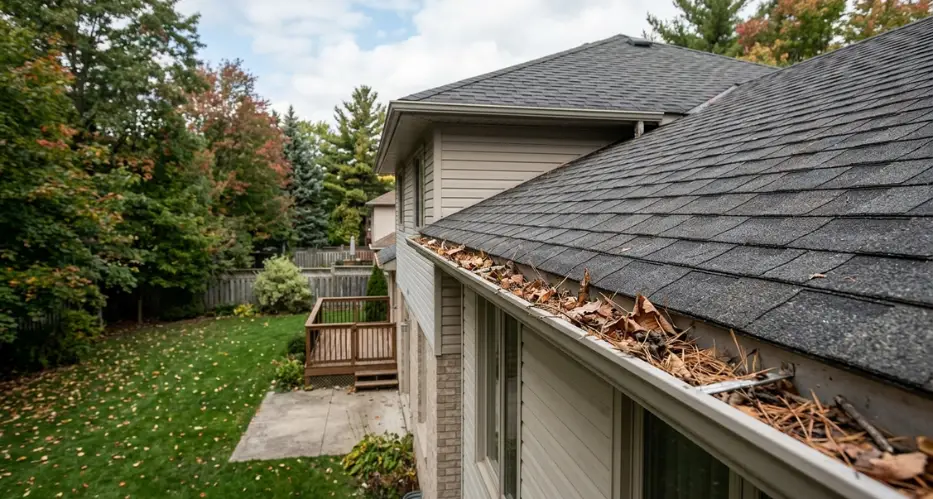
Leaving Thick Leaf Layers on the Lawn: Heavy patches of leaves smother the turf, blocking sunlight and trapping destructive moisture.
Mowing Wet Grass: Wet grass clippings clump together, creating patches that suffocate the grass underneath and invite fungal diseases.
Using Dull Mower Blades: Dull blades tear the grass rather than cutting it cleanly, leaving frayed brown tips that are highly susceptible to winter diseases.
Watering on a Summer Schedule: Overwatering in cold weather waterlogs the soil. Reduce watering frequency as temperatures drop.
Skipping Fall Aeration: Leaving soil compacted over winter starves the roots of oxygen during the spring thaw.
Applying the Wrong Late-Season Fertilizer: Avoid high-nitrogen fertilizers late in the fall, which trigger tender new growth that will instantly freeze. Opt for potassium-rich “winterizers.”
Walking on Frosted Turf: Walking on frozen grass blades breaks them like glass, leaving visible dead footprints in your spring lawn.
Neglecting Yard Sanitation: Leaving lawn furniture, toys, or debris on the grass over winter creates permanent dead zones.

Are You Ready To Transform Your Lawn?
For professional Yard Cleanup and Lawn Maintenance Service, grass cutting, and tree & hedge maintenance services in Ontario, contact Custodia today!
Call 1-833-410-4357 or Book Online for a free professional consultation and quote.
Frequently Asked Question
1. When should you stop cutting grass in Ontario?
You should stop mowing when the grass stops growing actively in late fall. In Toronto and the GTA, this typically occurs between late October and early November.
2. What temperature signals it’s time to stop mowing?
A reliable rule of thumb is to put the mower away once daytime high temperatures consistently drop below 10°C (50°F).
3. What happens if I leave my grass long over an Ontario winter?
Long grass mats down under heavy snow loads, creating a dark, damp ecosystem perfect for Snow Mold outbreaks. It also provides an ideal winter nesting habitat for destructive rodents like voles and field mice.
4. Can I mow my lawn if there are leaves on the ground?
Yes! As long as the grass is still actively growing and dry, you can use a mulching mower to shred fallen leaves into a nutrient-rich organic top-dressing for your soil.