Have you ever stepped outside after a heavy snowfall, glanced at your driveway, and thought, “I’ll get to it later. It’s just a little snow”?
At first, it seems harmless. But in Canada, winter doesn’t wait.
That soft, fluffy snow quickly hardens into ice, creating hidden slick patches that can catch anyone off guard. A small delay today can lead to cracked pavement, icy hazards, or surprise repair costs tomorrow.
Slips, falls, freeze-thaw damage, and potential liability are real, silent threats that appear faster than expected.
The reality is simple: preparation changes everything. Acting now can prevent stress, save money, and protect your home. That’s why smart Canadians rely on Custodia’s Home Management Plans.
These seasonal bundles manage essential services automatically, reliably, and on schedule, giving you confidence and peace of mind all winter long.
Is It Bad To Leave Snow On Your Driveway?
Have you noticed how a little snow can quickly hide debris like leaves, twigs, and grit against your driveway?
It may seem harmless, but in Ontario winters, that trapped water can turn dangerous. Each freeze-thaw cycle expands beneath the surface, pushing cracks wider, creating potholes, and even seeping into wood fascia, causing rot you might not see until it’s too late.
Packed snow doesn’t just damage your driveway; it quietly escalates costs and risks every day. Families rushing to work, seniors walking carefully, or kids heading to school are all exposed to hidden icy hazards.
What Safety Hazards Happen If You Don’t Shovel Snow?
Here are 6 ways snow buildup damages your home & pavement:
- Cracks Spread Fast
Water gets trapped in tiny fissures. Each freeze-thaw cycle forces the cracks wider, weakening asphalt or pavers. Over time, small cracks become expensive, structural problems that can ruin your driveway.
- Potholes Form Quickly
Packed snow combined with debris accelerates surface breakdown. When vehicles drive over these icy areas, the pressure deepens potholes, creating hazards and potential damage to tires and suspension.
- Fascia & Foundation Rot
Melted snow often seeps toward wood fascia and home foundations. This hidden moisture can cause rot, mold growth, and even compromise your home’s structural integrity if ignored.
- Hidden Slips & Falls
Packed snow hides slick ice underneath, turning ordinary walkways into accident-prone zones. Seniors, kids, or delivery workers are at real risk, creating liability concerns for homeowners.
- Rising Costs Every Winter
Ignoring snow leads to repeated repair cycles. Minor driveway cracks or fascia issues snowball into expensive winter maintenance bills, leaving families stressed and frustrated.
- Degraded Curb Appeal
Over time, cracks, potholes, and ice damage make your property look neglected. This affects home value, and it can take years to restore a driveway or exterior to its original condition.
Can You Get Fined For Not Clearing Snow In Canada?
In Ontario and other provinces, leaving your driveway uncleared can cost more than frustration; it can lead to municipal fines and legal liability.
Municipalities expect homeowners to act promptly, keeping driveways and walkways safe for residents and visitors.
Here’s what you need to know:
- Bylaw Enforcement
Most Ontario municipalities require snow to be cleared within 24 hours of a snowfall. Failing to comply can result in fines that often exceed hundreds of dollars.
Repeated violations can lead to increased penalties, and the city may even hire someone to clear your driveway at your expense.
- Homeowner Liability
If someone slips on your uncleared driveway, you could be held legally responsible. This includes neighbors, delivery workers, or even friends and family visiting your home.
Legal claims can cover medical bills, lost wages, and damages, creating financial and emotional stress. Prompt snow removal protects both your loved ones and your wallet.
- Deadlines Vary by Province
Snow removal rules differ across Canada and are set by local municipal bylaws.
In Alberta, Calgary enforces a 24-hour rule, but Edmonton only requires snow to be cleared “as soon as possible,” so knowing your local rules helps prevent fines and keeps your family safe.
- Safety for Families and Visitors
Hidden ice under packed snow is a silent hazard. Children running to the bus, seniors stepping carefully, and delivery workers navigating slippery driveways all face real risks.
Regular snow removal keeps everyone safe and reduces anxiety about winter accidents.
Does Leaving Snow On Your Driveway Increase Heating Bills?

Packed snow around your driveway isn’t just a nuisance; it can quietly hike winter energy costs. Cold air trapped against your home seeps through gaps, forcing your heating system to work harder.
Here’s how snow affects home energy efficiency:
- Cold Infiltration: Snow piles close to walls and doors increase drafts, raising winter heating bills in Canada.
- Ice Around Garages: Frozen buildup near doors reduces insulation efficiency.
- Extra Cold Zones: Driveway snow can create pockets of lower temperature around your home.
- Hidden Heat Loss: Subtle energy leaks happen under overhangs and entryways, often unnoticed.
- Increased HVAC Strain: Constant heat loss makes furnaces run longer, shortening system lifespan.
[Read: Signs Your Home Needs Additional Insulation For Winter]
Clearing snow promptly preserves energy efficiency, reduces bills, and keeps your family warm and safe during harsh Canadian winters.
What’s The Smartest Way To Keep Your Driveway Clear In Harsh Canadian Winters?
The smartest snow removal approach protects your family, prevents slips, and keeps your home energy efficient. And timing, tools, and techniques make all the difference.
Here’s how to stay ahead:
- Shovel Strategically: Clear snow in layers during a storm to avoid heavy, compacted ice.
- Use Safe De-Icers: Choose products suitable for Canadian winters that protect asphalt, concrete, and plants.
- Clear Critical Zones First: Walkways, entrances, and steps should always take priority.
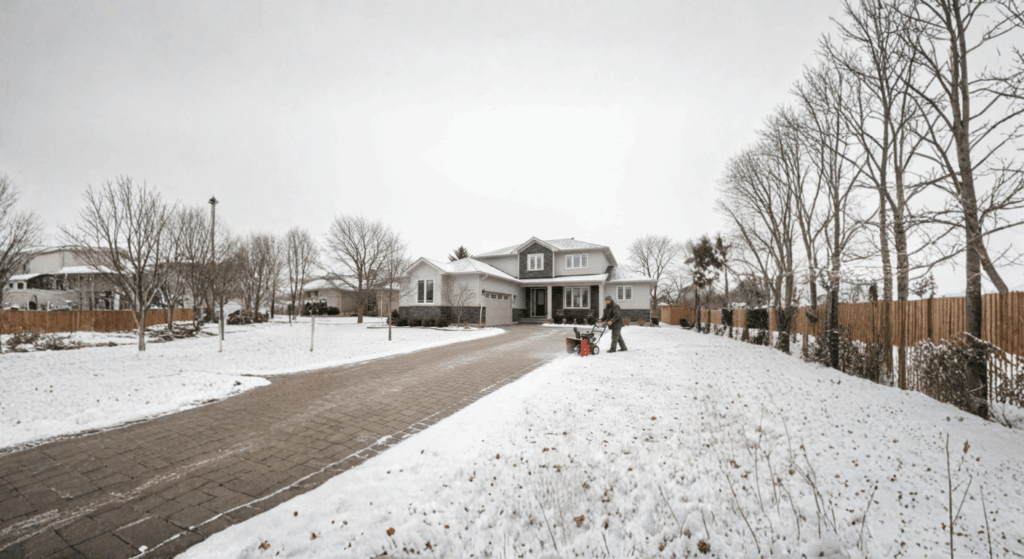
- Mechanized Help: Snow-blowers or plows save time on larger driveways.
- Freeze-Thaw Protection: Light salt prevents ice formation and long-term surface damage.
- Family-Friendly Scheduling: Early morning or after-school sessions keep snow under control without disrupting routines.
When To Shovel Snow For The Best Results (Before, During, Or After A Storm?)
Timing is crucial for effective snow removal. Clearing snow at the right moment prevents ice, reduces effort, and keeps everyone safe.
- Before the Storm: Pre-treat driveways with eco-friendly ice melt to prevent snow from bonding.
- During the Storm: Shovel in intervals to stop heavy layers from forming, making the task easier and safer.
- After the Storm: Focus on edges, steps, and sidewalks for maximum safety.
- Consistent Sessions: Early morning or evening shoveling minimizes frozen patches caused by temperature swings.
- Family Coordination: Assign small tasks to share the workload and speed up clearing.
Should You Use Salt, Ice Melt, Or Alternative De-icers In Ontario?
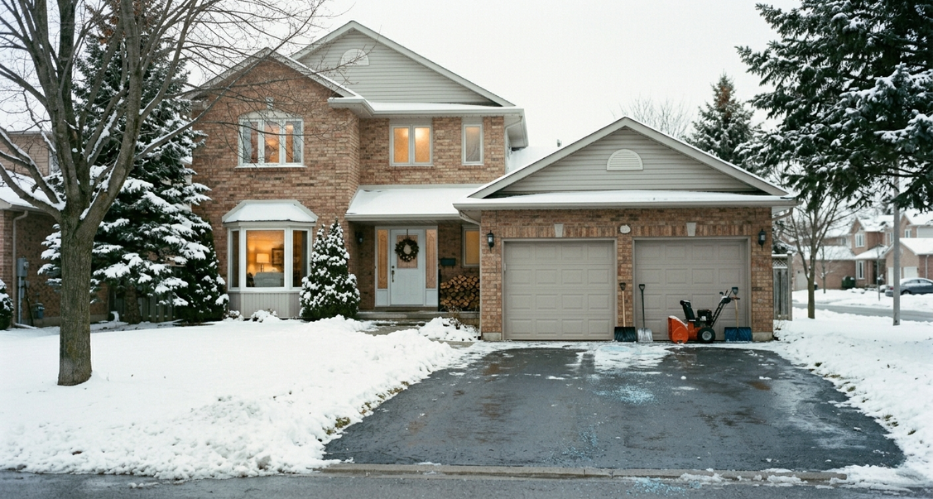
Choosing the right de-icer safeguards your driveway, family, and environment. In Ontario’s harsh winters, proper selection prevents ice hazards and surface damage.
- Rock Salt (Sodium Chloride): Effective in moderate cold but may corrode metal and harm plants if overused.
- Calcium Chloride: Works in extremely low temperatures, fast-acting on stubborn ice patches.
- Magnesium or Potassium Chloride: Gentler on concrete and vegetation while still melting ice efficiently.
- Eco-Friendly Blends: Reduce runoff, protect pets, landscaping, and urban surfaces.
- Application Tips: Spread thinly, avoid piling near foundations, and reapply after heavy snowfall.
- Combine With Shoveling: De-icers work best on cleared surfaces—never rely on chemicals alone.
A clear driveway ensures winter doesn’t interrupt your family’s routines or peace of mind while protecting your property from hidden hazards.
Our Professional snow removal service gives you reliable, stress-free seasonal care and keeps your home running efficiently.
Call 1-833-410-4357 or Book Online today for your free consultation and quote.